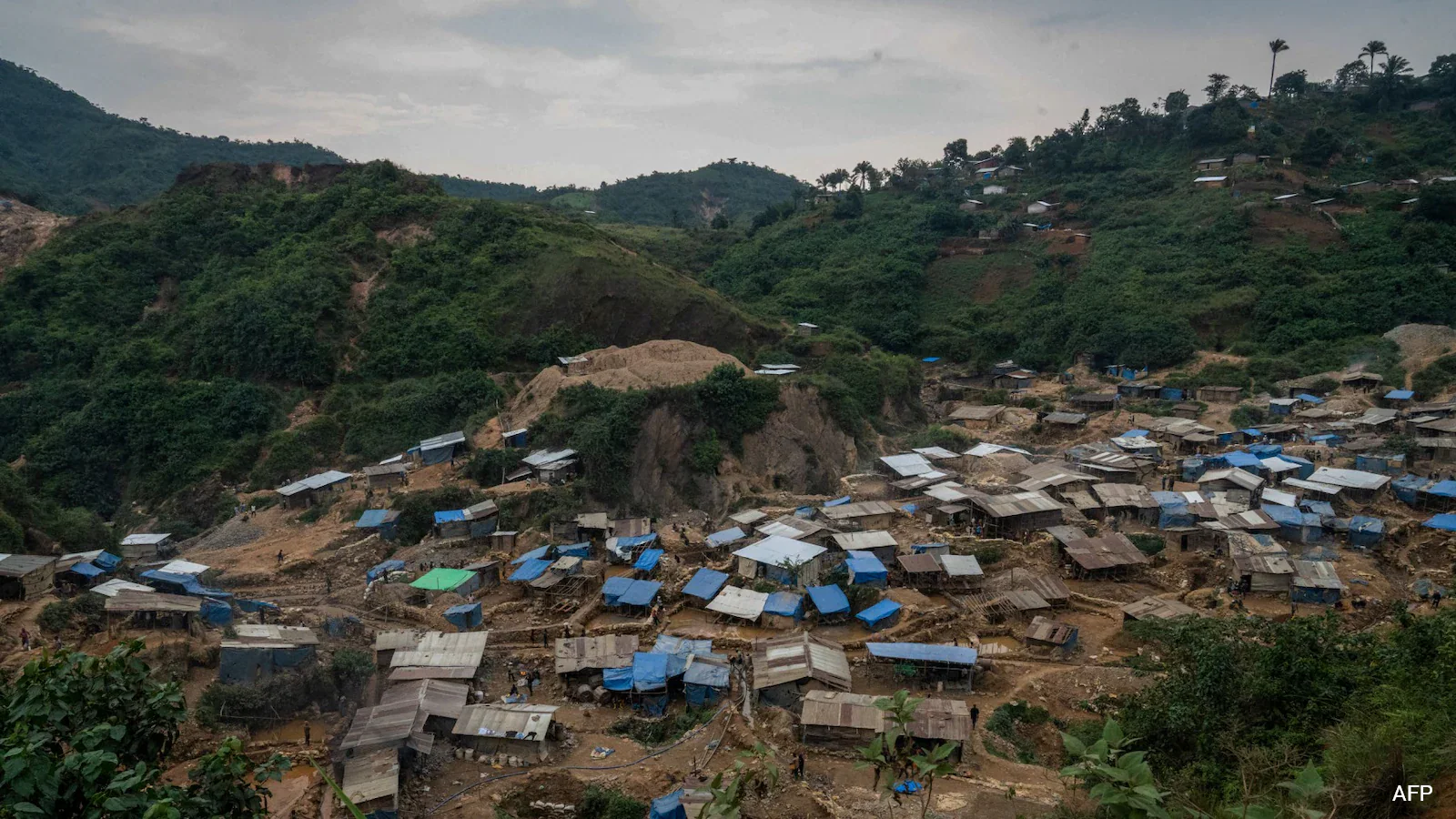
The Ebola outbreak in Central Africa has intensified discussions among experts about how mining and environmental disruption could contribute to the spread of deadly diseases.
Researchers have warned that expanding gold and mineral mining activities in the Congo Basin may be increasing the chances of humans coming into contact with virus-carrying wildlife, reported The Guardian.
How Is Mining Connected To Ebola?
Scientists believe Ebola viruses naturally exist in some wild animals, with bats considered one of the likely hosts.
However, for mining activities, workers move deeper into remote regions in search of resources such as gold, cobalt and other valuable minerals. Forests are cleared, and as a result, wildlife comes in direct contact with humans.
The US Centers for Disease Control and Prevention said that “although Ebola is generally not spread by food, cases in Africa have been associated with hunting, butchering and processing meat from infected animals.”
“Once there is a human, animal and environment interface, we have these kinds of outbreaks on a frequent level,” said Dr. Tolbert Geewleh Nyenswah of the Africa Centres for Disease Control and Prevention.
“And this is why one healthy approach in dealing with virus outbreaks is important, because we still interact with the bats, and our hunters are still killing monkeys, and we are close to the environment,” he added.
Why Congo Remains Vulnerable
The Democratic Republic of Congo is home to one of the world’s largest rainforest systems. It is also a major supplier of minerals used in modern technology, including smartphones and electric vehicles.
The sharp rise in tech and EVs has accelerated mining operations in several regions.
Mining communities often attract large numbers of temporary workers who live in crowded conditions with limited healthcare access.
Health Challenge
Health experts have long warned that deforestation and human expansion into wildlife habitats can increase the risk of new disease outbreaks.
Since Ebola was first identified in 1976, several outbreaks have been recorded in Central and West Africa. Experts argue that protecting forests, improving monitoring around mining regions and strengthening healthcare systems in vulnerable communities will be key steps.
Meanwhile, the World Health Organization declared the outbreak a global health emergency in May.
Some experts believe infections may have been occurring in February, but health officials initially tested for a different kind of Ebola virus.
As of Friday, the Africa Centres for Disease Control and Prevention said there have been about 400 confirmed cases, including 63 deaths.