A rape charge against disgraced media mogul Harvey Weinstein has been dropped after his accuser said she couldn’t endure testifying again.
Prosecutors’ decision to drop the high-profile #MeToo-era case means Weinstein will not face further proceedings for the specific allegation, though he remains incarcerated. He is serving sentences for other sexual felony convictions in New York and California.
The New York rape charge had remained unresolved following an overturned conviction and two subsequent hung juries.
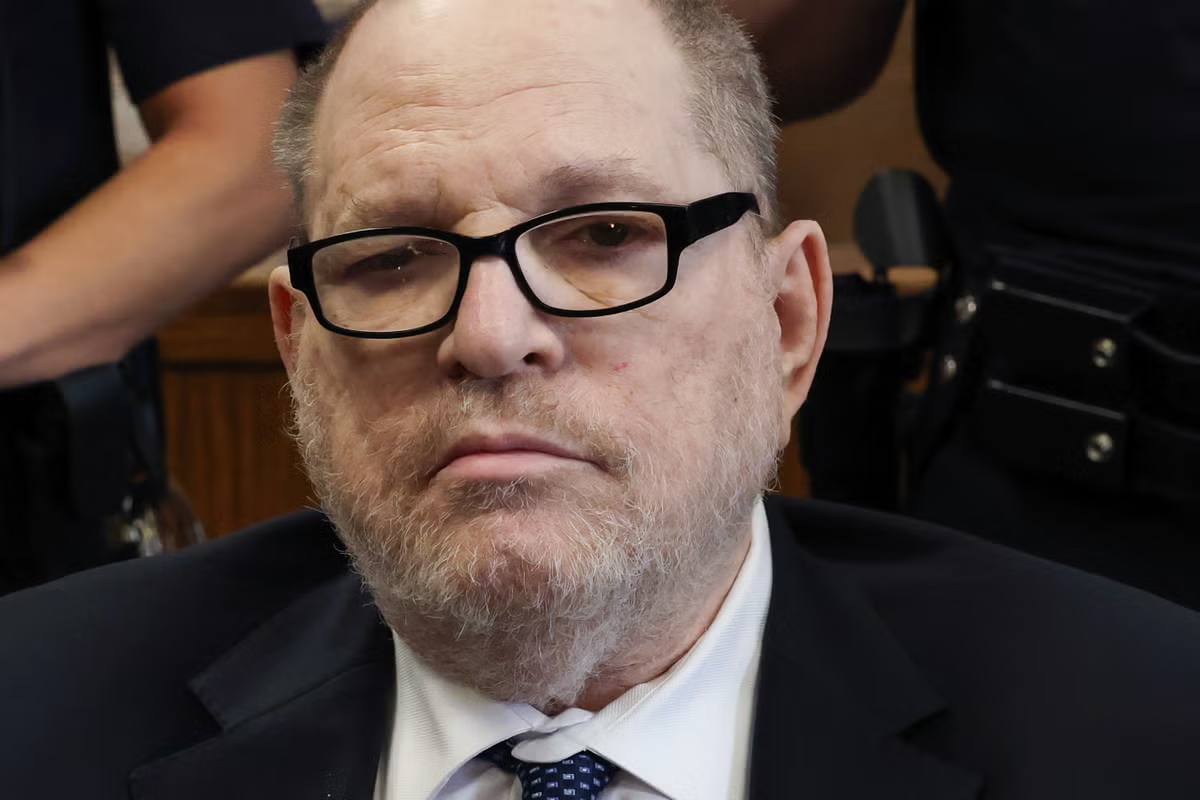
A judge formally dismissed the charge this week, and Weinstein was seen with a neutral expression as court officers wheeled him out of the courtroom. He continues to deny all accusations against him.
The rape charge concerned an allegation that he raped hairstylist and actor Jessica Mann in a Manhattan hotel in 2013. Mann has testified that she also had a consensual, on-and-off relationship with Weinstein, who was married at the time.
She told jurors she repeatedly attempted to leave and refused sexual activity as he cornered her in the hotel room. She recounted how he persisted, demanding she undress and grabbing her arms, until she felt too afraid to continue protesting.
“After a lot of thought and reflection, I have chosen not to proceed with a fourth trial against Harvey Weinstein,” she wrote in a letter that a prosecutor read to the court. “It was clear to me at this last trial I could no longer endure going through this any longer.”
The trial process had taken a significant toll on Mann, 40, who testified for five days and faced questioning about a personal note she wrote shortly after the alleged rape, which did not explicitly mention the incident. She had previously expressed difficulty focusing during her testimony, prompting an early adjournment.
Prosecutor Nicole Blumberg said Thursday that prosecutors believe Mann and commended her “bravery, strength, courage and inspiration” to other survivors. Given her feelings about proceeding, Blumberg stated that “dismissal is appropriate.”
During jury deliberations in the most recent trial, Weinstein reported chest pains, causing another early end to court proceedings. His defense lawyer, Jacob Kaplan, said: “The interests of justice would have never been to bring this case at all.”
Weinstein was once one of Hollywood’s most powerful figures, producing acclaimed films such as Shakespeare in Love, Pulp Fiction, and Chocolat. However, a series of sexual misconduct allegations against him became public in 2017, igniting the #MeToo campaign for accountability and ultimately leading to criminal charges.
He was initially convicted in 2020 of raping Mann, but an appeals court later overturned that verdict for reasons unrelated to her testimony. A retrial in 2025 saw jury deliberations break down, and jurors deadlocked once more at another retrial this spring.
The specific rape charge in this case was a low-level felony, carrying a maximum sentence of four years in prison – less time than Weinstein has already served. He faces considerably longer sentences for his other, separate convictions in New York and California, which include raping an Italian actress in Los Angeles.
Weinstein did not testify at any of the trials, though he complained during and after the 2025 New York retrial that it was unfair, a claim the judge dismissed.
His lawyers have consistently maintained that all his accusers, who were seeking advancement in show business, engaged in entirely consensual sexual liaisons with a powerful studio boss.
Weinstein himself has stated he “acted wrongly, but I never assaulted anyone.”