China’s declining oil demand has emerged as an unexpected stabilising force for the global economy amid disruptions caused by the war in the Middle East. When Iran closed the Strait of Hormuz in response to the war, roughly 10 million barrels per day of Middle Eastern oil exports were cut off. Fuel prices spiked to $126.41.
However, oil is now trading near $90, far lower than what many had expected. According to The Wall Street Journal, the main reason global markets avoided a bigger shock is China’s decision to scale back its oil imports.
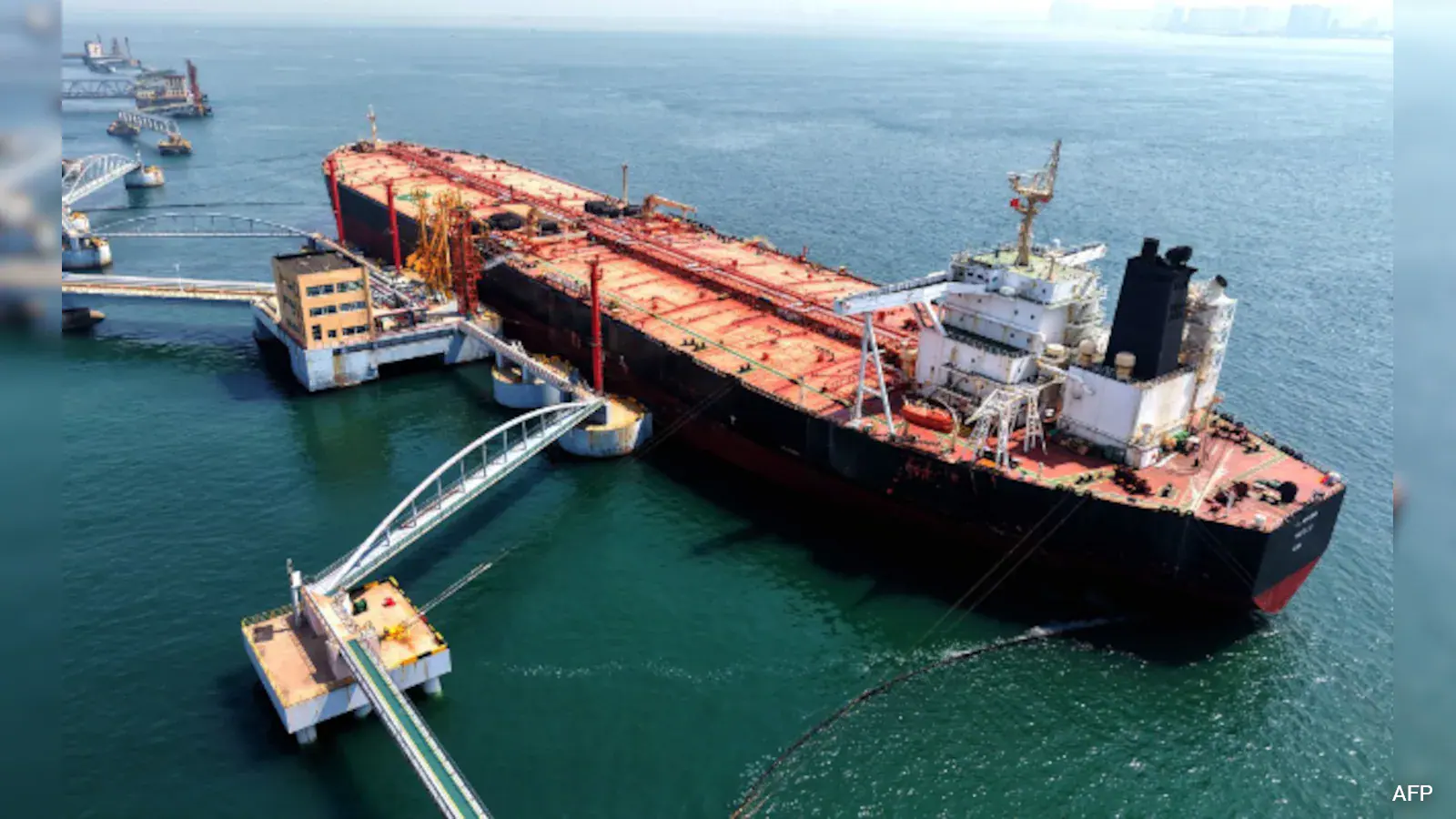
Rather than paying the higher prices, China decided to cut its imports to 7.7 million barrels a day from 11 million, according to Beijing’s customs data, as quoted by the NY Post. The 3 million barrels missing from the market roughly match the combined daily oil consumption of Italy and France.
What’s equally surprising is that China’s sharp reduction in imports has not caused any obvious disruptions to daily life. Tourists are still travelling, factories remain operational, and store shelves are well stocked, including with essentials such as toilet paper.
China has not been hit hard by the oil disruption because it has large reserves built up over previous years. Much of this oil was purchased at discounted prices from Iran, Russia, and Venezuela, reducing the country’s need to buy more oil now.
Years of investment in electric vehicles and high-speed rail have also helped reduce the country’s oil demand. Chinese consumers are shifting away from gasoline-powered cars toward EVs and opting for high-speed trains instead of short domestic flights.
China’s large oil stockpiles have helped it avoid the worst effects of the supply disruption so far, but that may not last much longer.
China is running low on ethylene and other petrochemical feedstocks. Even if it accelerates inventory drawdowns to more than one million barrels a day, its commercial reserves would still cover about six months of demand.