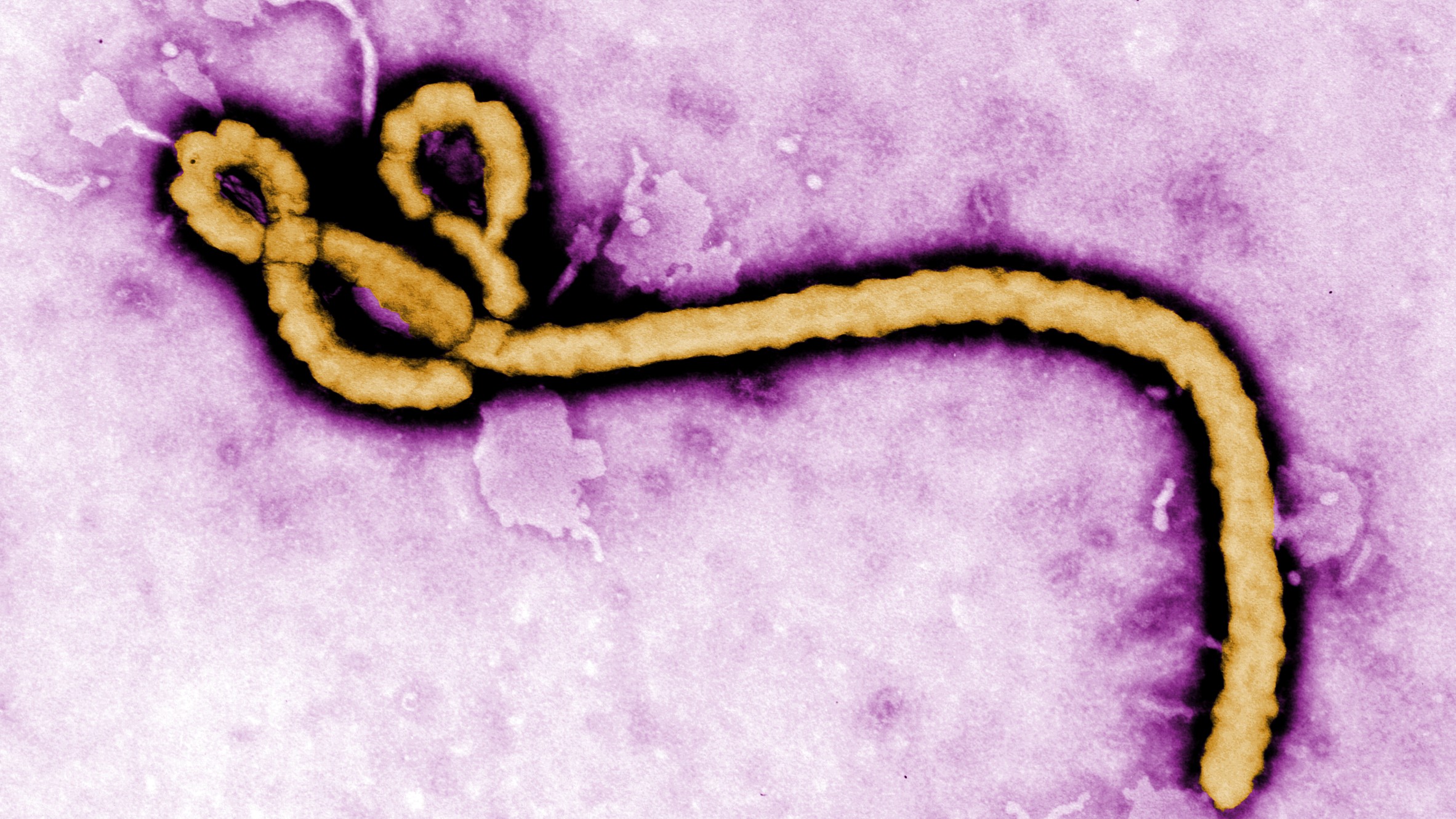
The Lagos State Government urged operators of high-density public venues, including hotels, nightclubs, event centres, lounges and restaurants to lead efforts to prevent possible Ebola transmission.
The Lagos State Safety Commission has directed hotels, nightclubs, event centres, lounges, restaurants and other hospitality businesses across the state to strengthen hygiene and safety measures following the Ebola outbreak reported in parts of Central and East Africa.
The commission, however, stressed that there is currently no confirmed case of Ebola in Lagos or anywhere in Nigeria, noting that the advisory is a precautionary measure aimed at protecting residents and visitors.
The directive comes amid intensified biosecurity screening by the federal government at the Murtala Muhammed International Airport as authorities seek to prevent the importation of the virus.
The latest advisory also follows recent efforts by Lagos health authorities to assess the state’s preparedness for any potential outbreak.
Officials have inspected screening and emergency response facilities at the Murtala Muhammed International Airport, Ikeja, Lagos, saying the exercise was aimed at strengthening surveillance and ensuring rapid response capacity while maintaining that Nigeria has not recorded any Ebola case.
In a statement on Tuesday, the Director-General of the Lagos State Safety Commission, Lanre Mojola, said the state’s position as Nigeria’s commercial hub and a major international gateway makes it necessary to adopt proactive measures against potential public health threats.
“The Commission strongly emphasises that there is currently no confirmed case of Ebola within Lagos State or Nigeria; however, the city’s status as a major international travel hub and commercial epicentre necessitates immediate, proactive measures to safeguard residents and visitors alike,” the statement stated.
According to the commission, operators of high-density public venues, including hotels, nightclubs, event centres, lounges and restaurants, should lead efforts to prevent possible transmission because of the close-contact nature of their operations.
To that end, it enjoined all establishments to significantly increase the frequency of cleaning and disinfection routines, utilising hospital-grade disinfectants on all high-touch surfaces such as countertops, door handles, handrails, menus, and payment terminals.
It also urged management teams to properly train front-of-house, housekeeping, and security personnel to recognise early symptoms of illness, implement daily health checks for staff, and enforce a strict stay-at-home policy for any employee exhibiting signs of fever.
The advisory also requires hospitality establishments to designate temporary, well-ventilated isolation areas where patrons or staff who suddenly become seriously ill can be kept safely while awaiting medical evacuation.
In addition, venue operators were advised to manage crowd sizes to prevent excessive overcrowding and ensure adequate ventilation in enclosed spaces.
Mr Mojola called on operators to remain calm, vigilant and fully cooperative, adding that safety inspectors would intensify routine compliance and support visits across the state.
He also directed that any suspected medical emergency involving severe fever or illness should be immediately isolated and reported through the Lagos State health emergency hotlines: 08023169485, 08033565529 or 07000SAFETY.
The advisory follows growing concern over the Ebola outbreak in parts of Central and East Africa. According to an NBC report, more than 40 people have died in the Democratic Republic of the Congo and Uganda, where health authorities and international aid agencies are working to contain the spread of the disease.
The World Health Organisation has described the current Bundibugyo strain of the virus as “a severe and often fatal form” of Ebola.
The WHO and the Africa Centres for Disease Control and Prevention reported 43 confirmed deaths across the two countries as of 30 May, comprising 42 in the Democratic Republic of the Congo and one in Uganda. The agencies also said 349 suspected deaths had been recorded.
According to the WHO, Ebola is believed to originate from fruit bats and can spread to humans through contact with bodily fluids or secretions from infected wildlife.
Nigeria’s response is informed by its successful containment of the 2014 Ebola outbreak, which began after an infected traveller arrived in Lagos and was halted through aggressive surveillance, contact tracing and public health interventions.
Health authorities say the experience strengthened the country’s disease surveillance and emergency response systems, which are now being deployed as a precaution against the latest regional outbreak.