The launch comes amid persistent concerns over the safety of schools in Nigeria following years of attacks, mass abductions and other security threats targeting students and schools.
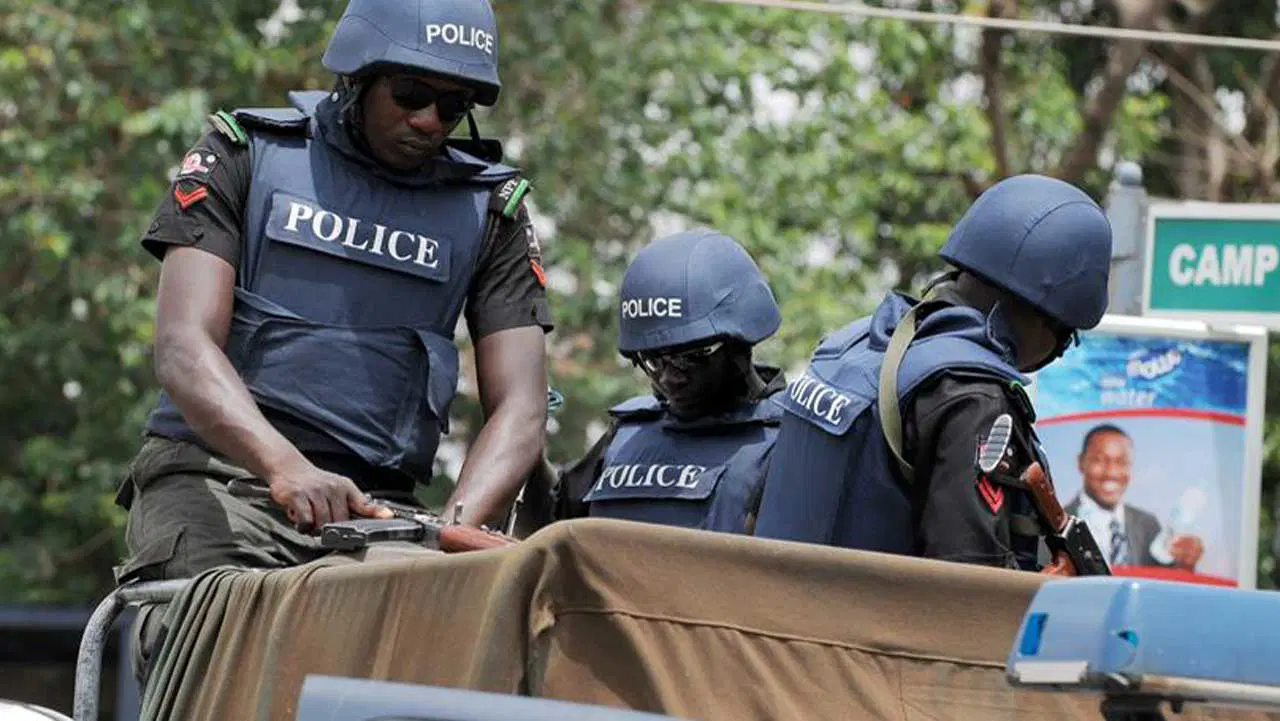
The Nigeria Police Force has reaffirmed its commitment to protecting educational institutions across the country with the establishment of a 24-hour Schools Protection Squad (SPS) Command and Control Centre at the Force Headquarters in Abuja.
The initiative, unveiled under the Safe Schools Initiative, is designed to provide rapid response to security threats affecting schools, students and educational communities across Nigeria.
According to the police, the SPS Call Centre operates round the clock to receive school-related emergency calls and reports of attacks on schools, attacks on student hostels on and off campuses, bullying, molestation or harassment, and student kidnapping or abduction.
The centre will also receive reports of suspicious movements around school environments and suspicious individuals encountered on routes to and from school.
In the announcement posted on its X handle, the police urged members of the public to report anything in their environment stating that “If you see something, say something, we will do something.”
The SPS also provided an emergency contact line for reporting incidents through calls or messages via WhatsApp (080-77-35-77-77).
The police assured that an SPS call handler is “available 24 hours a day, seven days a week to respond to distress calls, to receive emergency calls and reports, coordinate rapid response operations, and facilitate timely intervention in school-related security incidents across the country.”
The launch of the 24-hour SPS Command and Control Centre comes amid persistent concerns over the safety of schools in Nigeria following years of attacks, mass abductions and other security threats targeting students and schools.
The crisis gained global attention in April 2014 when Boko Haram insurgents abducted 276 schoolgirls from Government Girls Secondary School, Chibok, in Borno State.
The incident sparked international outrage and the #BringBackOurGirls campaign, while exposing the vulnerability of schools, particularly in conflict-affected parts of northern Nigeria.
Since then, schools have increasingly become targets of insurgents, bandits and other armed groups seeking ransom payments.
Over the past decade, Nigeria has recorded a total of 30 school mass abductions with 2,310 students kidnapped across Nigeria since the Chibok attack.
The attacks have been reported in states including Kaduna, Lagos, Katsina, Niger, Yobe, Ekiti, Oyo, Borno, Ogun, Zamfara, Kogi, Kebbi, Sokoto, and Nasarawa.
The resurgence of mass abductions has led to the disruption of academic activities and forced temporary school closures in several communities.
UNICEF reported in 2022 that more than 11,500 schools had been shut across Nigeria since 2020 because of insecurity, while at least 1,436 pupils and 17 teachers had been abducted during the period.
In response to the growing threat, Nigeria signed the Safe Schools Declaration in 2015, an intergovernmental political commitment aimed at protecting students, teachers and educational institutions during armed conflict.
The federal government subsequently strengthened the Safe Schools Initiative and introduced a National Plan on Financing Safe Schools valued at about N145 billion for the 2023–2026 period.
The programme is intended to improve physical security infrastructure in schools, strengthen community-based protection measures, enhance early warning systems and ensure continuity of learning during emergencies.
Despite these interventions, attacks on schools have continued in several parts of the country, prompting renewed calls for stronger preventive and emergency response mechanisms.