This is a bewildering ‘peace process’, as was the war that continues to dribble on. The main combatants are not at the table, and the basic requirements for ending the war are not even being mentioned. Critical issues include a dependable guarantee of no attack on Iran, tied, in turn, to ending all attacks on and by Israel, and a verifiable end to terrorist activity against Tel Aviv. Meanwhile, the process is being constantly eroded with US President Donald Trump threatening more attacks even as Israel turns its back on the tenuous deal that has been reached. As the world’s oil reserves reach a precipitous edge, it is vital for everyone that the war ends, and for good, and not continues in fits and starts. That needs a wider engagement.
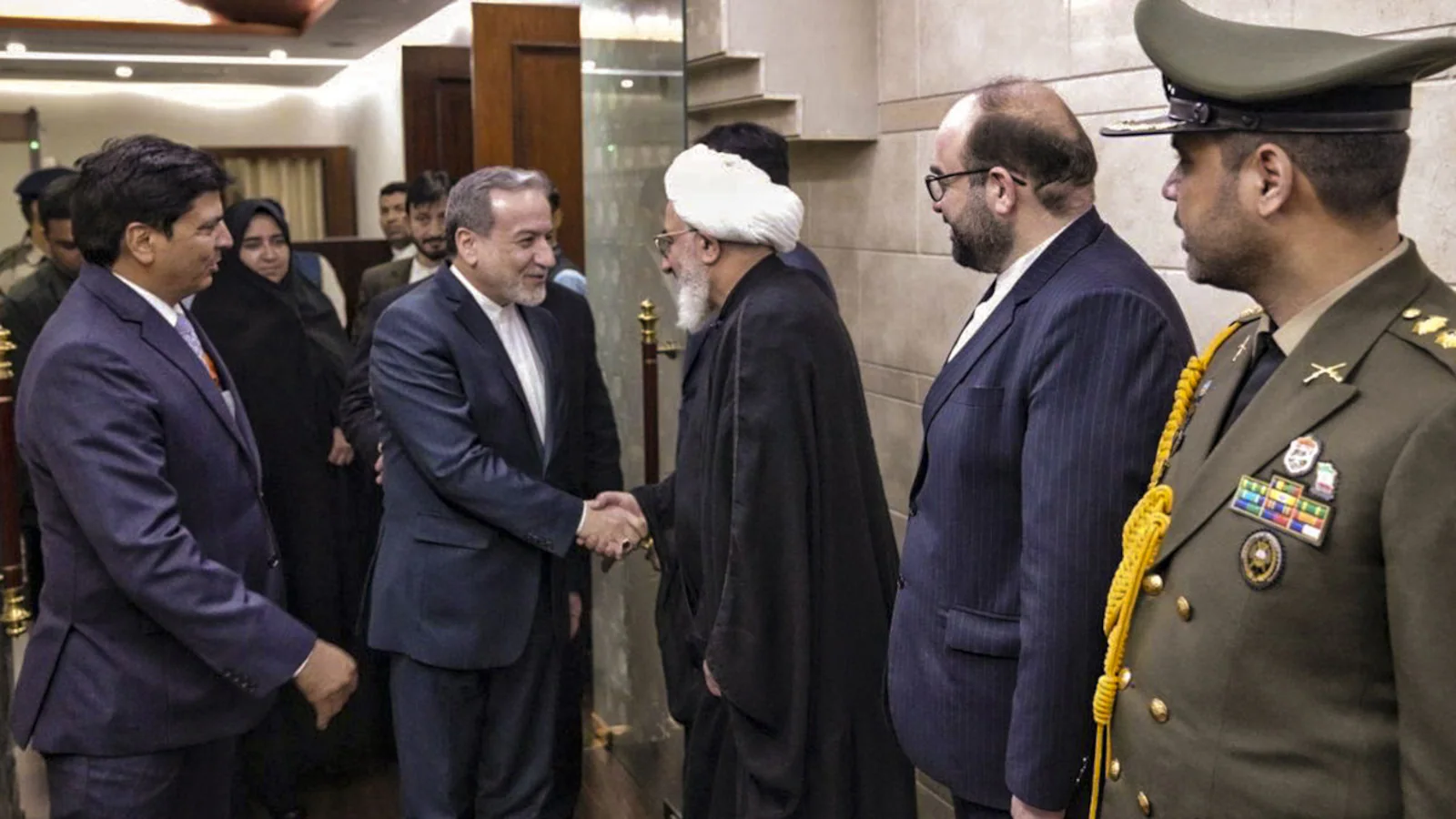
First, Iran has suffered attacks for a year now, with these going on alongside negotiations. The latest threats from Trump included not just to take over the Strait of Hormuz but also, seemingly, kidnapping or assassination of the delegation that came to the meeting called in Switzerland. The Iranians then walked out of the meeting, returning later to hammer out a temporary way forward with the Pakistanis and the Qataris. While the “Memorandum of Understanding” does declare an “immediate and permanent termination of military operations on all front”, this now has little meaning given the daily threats and counter-threats. A complete ceasefire, therefore, has to first guarantee a period of absolute safety to Iran, extending this to an absolute end once a final agreement is signed.
Advertisement – Scroll to continue
A credible guarantee has to be multinational, backed with troops on the ground, primarily from countries who matter to US trade and security. That means Europe and a few others. Notwithstanding the sidelining of the United Nations, it is still the only body that can provide a mandate. The problem is that the world body will be expected to monitor a Security Council member. That’s not as impossible as it sounds. It has been done before, not far from Hormuz, and, oddly, in an almost identical situation. The Suez Crisis occurred during Egypt’s nationalisation of the canal, which led to attacks by the UK, France and Israel. That, in turn, led to the first peacekeeping mission ever, with President Eisenhower using all levers to end the war and press European countries. This time, the ‘levers’ have to be the other way around, primarily with UN troops on the ground as a guarantee of safety. That requires European unity and a rare determination to stand up to the US. Both things are possible as the Eurozone limps toward stagflation fears.
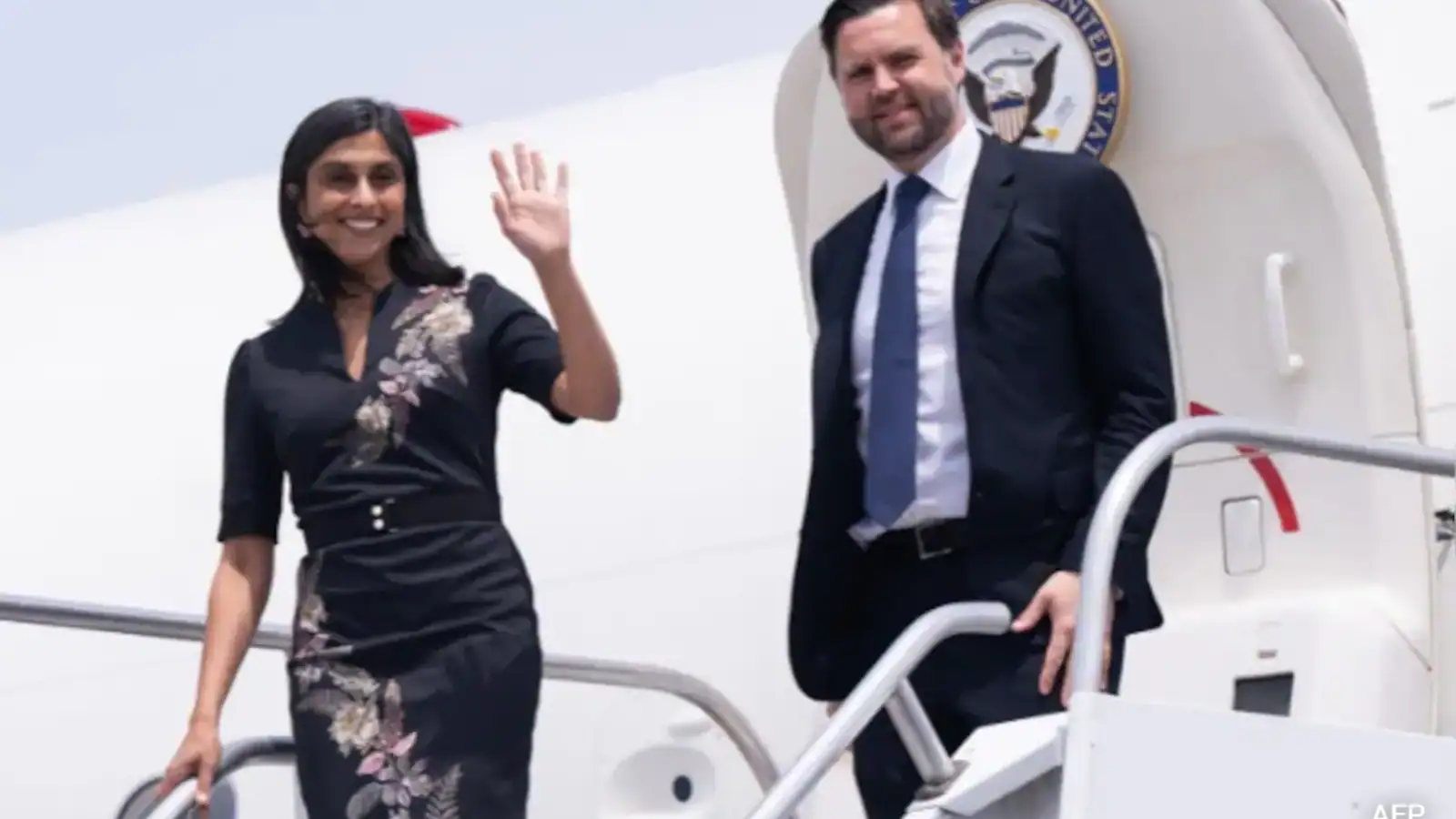
Then is the second vital aspect. Israel has conveniently distanced itself entirely from the MoU and continued its bombings on Lebanon, leading to US Vice President JD Vance making a rare open criticism of Tel Aviv, pointing out, “You can’t just kill your way out of solving every single national security problem that you have.” The irony is that a large list of US companies are intermeshed in the Israeli defence industry. Raytheon, now called RTX, is involved in the famed Iron Dome and David’s Sling, and Israel recently announced plans to double its fleet of Lockheed Martin’s F-35s. It is entirely possible for the US to limit giving, for instance, spare parts to Israel to bring it to halt its attacks, at least over a short haul. In addition, Israel depends heavily on refined oil from Russia, while crude is sourced via the Caspian Sea. Any or all of these countries could choose to restrict oil passage if Israel tries to fire its way out of a peace deal.
Finally, an MoU that doesn’t ensure Israel’s right to live peacefully is pointless. That means that myriad groups like Hezbollah and Hamas have to be effectively dealt with. An international counter-terrorism alliance made up of those who have been lived with terrorism for years, to include Australia, India, France, Russia, and perhaps even China, as a ‘minder’ for its client state Pakistan, could launch a ‘Five eyes’ of their own. This would give heft to a Stabilisation Force made up primarily of West Asian countries and form the basis of an expanded Abraham Accord, to ensure that each works on the ground with the other. That might even get to the point where these countries actually get what was till now a chimera of sorts, where connectivity and integration comes into play. In fact a Board of Peace++, but without President Trump as Chairman.
All of this is possible. The trouble is the huge profits from war. Trump plans an unprecedented $1.5 trillion increase in military expenditure, even as much of Europe follows suit. Wars always require replenishment of expended stocks and bolster arguments for more technology. Unsurprisingly, defence companies’ stocks have gone through the roof. Then are European gas and oil companies, which have doubled their profits, as also US and European banks, which reported $47.7 billion in profits in just the first three months of the year. In short, business circles that power politics have no great interest in ending wars. But push will come to shove only when these leaders see their political fortunes plummet – as Trump did in a recent poll and as the UK sees its seventh Prime Minister in ten years. European leaders, barring Italy’s Meloni, have all experienced a sharp drop in popularity, primarily due to economic and geopolitical anxiety. For Delhi, this might be the time to cash in on its multi-alignment framework, emerging as a trusted partner to all sides, and chalk out a deal that effectively delivers a sustainable peace, given that the need to end the war is only getting more urgent. An add-on not to be brushed aside is that doing this will bring the focus back to terrorism and give India a place at the high table.
(Tara Kartha is a former Director, National Security Council Secretariat)
Disclaimer: These are the personal opinions of the author