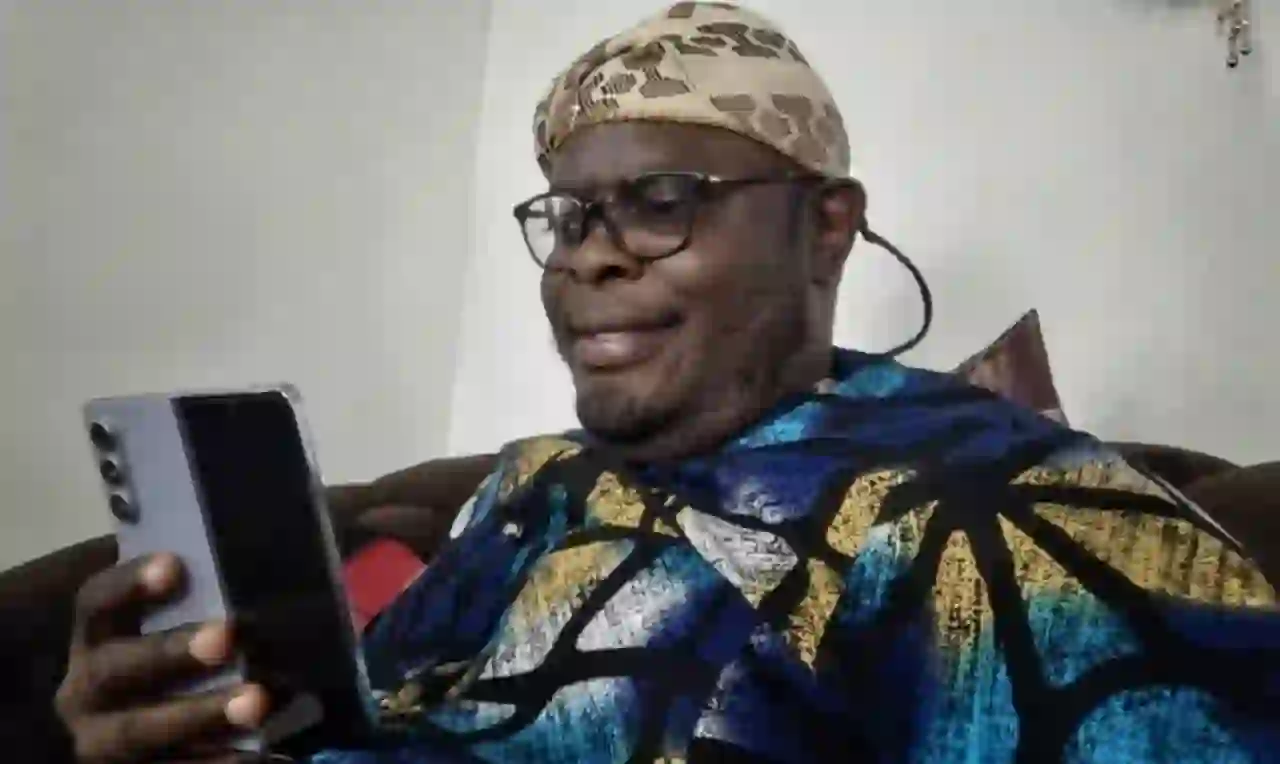
Oversharing personal information on social media, such as real-time locations, daily routines, or images of valuables, creates a digital footprint that criminals can exploit to track, stalk, or target individuals offline.
The risks extend well beyond identity theft and fraud. Criminal networks increasingly rely on social media surveillance to identify potential victims.
By piecing together online posts, they can determine when a home is unoccupied, where children attend school, or even map out daily schedules.This underscores the importance of exercising caution online and being deliberate about the information shared publicly.
To safeguard against criminal elements, individuals should adopt measures that minimize risks associated with social media use. A key step is to manage privacy settings effectively by reviewing and adjusting them to control who can access your posts and personal information. Ensuring that accounts are set to private rather than public further strengthens protection against unwanted or harmful exposure.
Also ensure your accounts are set to private rather than public.
Another crucial measure is to avoid sharing trackable details such as live locations or real-time travel updates. It is far safer to post about an event, vacation, or destination only after you have left.In the fight against insecurity, individuals should also refrain from disclosing sensitive information online.
This includes identification numbers (such as BVN, passport, or driver’s license), financial details, home addresses, and workplace locations, which should never be posted on public profiles.It is equally important to “scrub the past” by deleting unused messaging or social media accounts that may be vulnerable to hacking.
The internet leaves a permanent trail, and minimizing exposure is vital.Parents are advised to monitor their children’s online activities, as unrestricted access to social media or the internet can have adverse effects, particularly during formative years. Malicious actors often exploit the vulnerabilities of young users.
However, addressing insecurity is not the sole responsibility of government and security agencies. Citizens play a vital role through vigilance, timely reporting of suspicious activities, community cooperation, and adherence to lawful practices. By fostering unity and supporting peace initiatives, individuals contribute meaningfully to building safer communities and a more secure nation.
Carelessness on social media can compromise safety, damage reputations, and erode privacy. A single post can be screenshotted, misused, or permanently embedded online. Being circumspect and proactive is essential to protecting both personal and national security.
*Emmanuel Ajibulu is an infoprenuer, publisher of Veracity Desk (www.veracitydesk.com), writer, communication consultant and social media influencer.*