The war in Ukraine has crossed a major milestone, lasting longer than World War I. The conflict, which began after Russia launched its full-scale invasion in February 2022, has now continued for 1,569 days, exceeding the length of the 1914-1918 war.
According to polls, about half of the Ukrainians believe that the war will continue longer and not end before next year, a New York Times report stated. This would push the duration of the war closer to that of World War II, which ended after 6 years of fighting.
While the scale and global reach of the two conflicts are different, historians and military experts say there are striking similarities between them, especially the slow, grinding nature of the fighting and the way new technology has changed the battlefield.
From Failed Blitzkrieg To Frozen Front Lines
When Russian forces entered Ukraine in 2022, Moscow expected a quick victory. The advance towards Kyiv was aimed at capturing the capital within days, but Ukrainian resistance forced Russian troops to retreat.
The war later turned into a battle of attrition, with both sides locked along a largely fixed front line.
“I thought maybe two or three years, and then politicians will find some kind of consensus,” said a Ukrainian soldier, who identified himself only by his call sign, France.
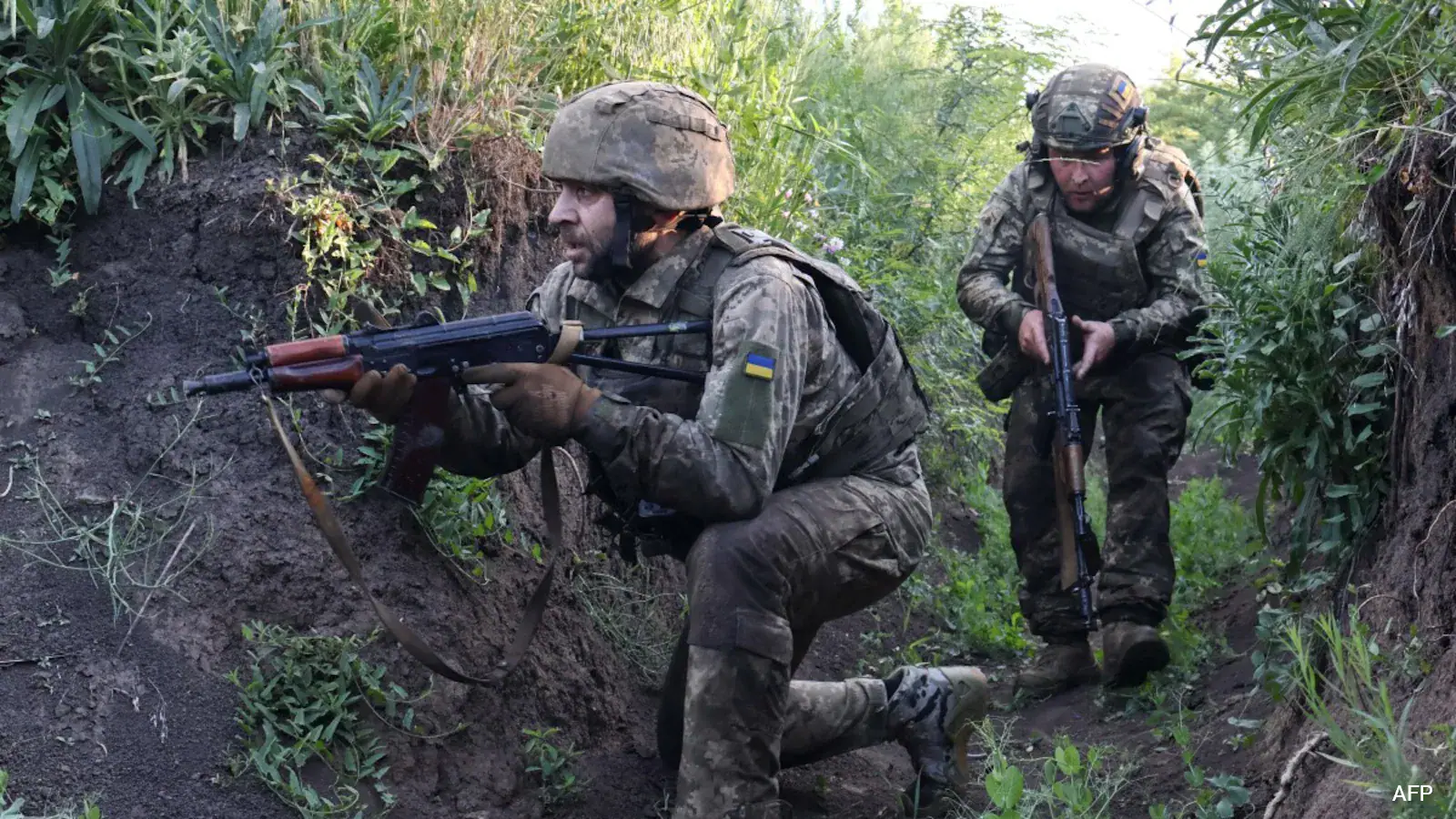
The fighting that followed has often drawn comparisons with World War I, when soldiers faced prolonged battles from trenches across Europe. Ukrainian and Russian troops have spent months fighting from dugouts and fortified positions, with artillery playing a major role.
“In general, when the front freezes, you’re back to World War I,” said Michel Goya, a former French colonel and military historian.
Drones Replace Tanks As Technology Reshapes Warfare
Experts say the biggest difference between the two wars is the technology shaping modern combat.
During World War I, tanks and aircraft transformed warfare. In Ukraine, drones have become the defining weapon, monitoring battlefields and striking targets with increasing precision.
The widespread use of drones has made traditional trench networks dangerous, forcing soldiers to move deeper underground into smaller shelters that are harder to detect.
“In this environment, the people who dig survive longer and stay safer,” France said.
Large troop movements have also become harder because drones can quickly identify and attack soldiers. Even tanks, once considered powerful battlefield weapons, have become more vulnerable as they can be easily targeted from the air.
A Long War With No Clear End In Sight
The destruction seen across parts of Ukraine has reminded many observers of scenes from World War I. Be it damaged towns, ruined landscapes or fields marked by constant shelling.
However, historians warn that direct comparisons have limits. World War I involved multiple countries across several continents, while the war in Ukraine remains focused on one major battlefield.
Still, experts say the conflict could become one of Europe’s most significant wars in modern history.
“This is World War I, but with drones,” Ukrainian historian Yaroslav Hrytsak said.
With peace talks stalled, the war shows little sign of ending soon. Ukraine’s use of drone strikes on Russia’s oil assets, which is key to its economy, has become a key part of its strategy to weaken Moscow’s ability to continue the fight.