Nigeria is edging closer to establishing a state police force.
This is due to the Senate passing the controversial Constitution Alteration Bill, which seeks to decentralise policing.
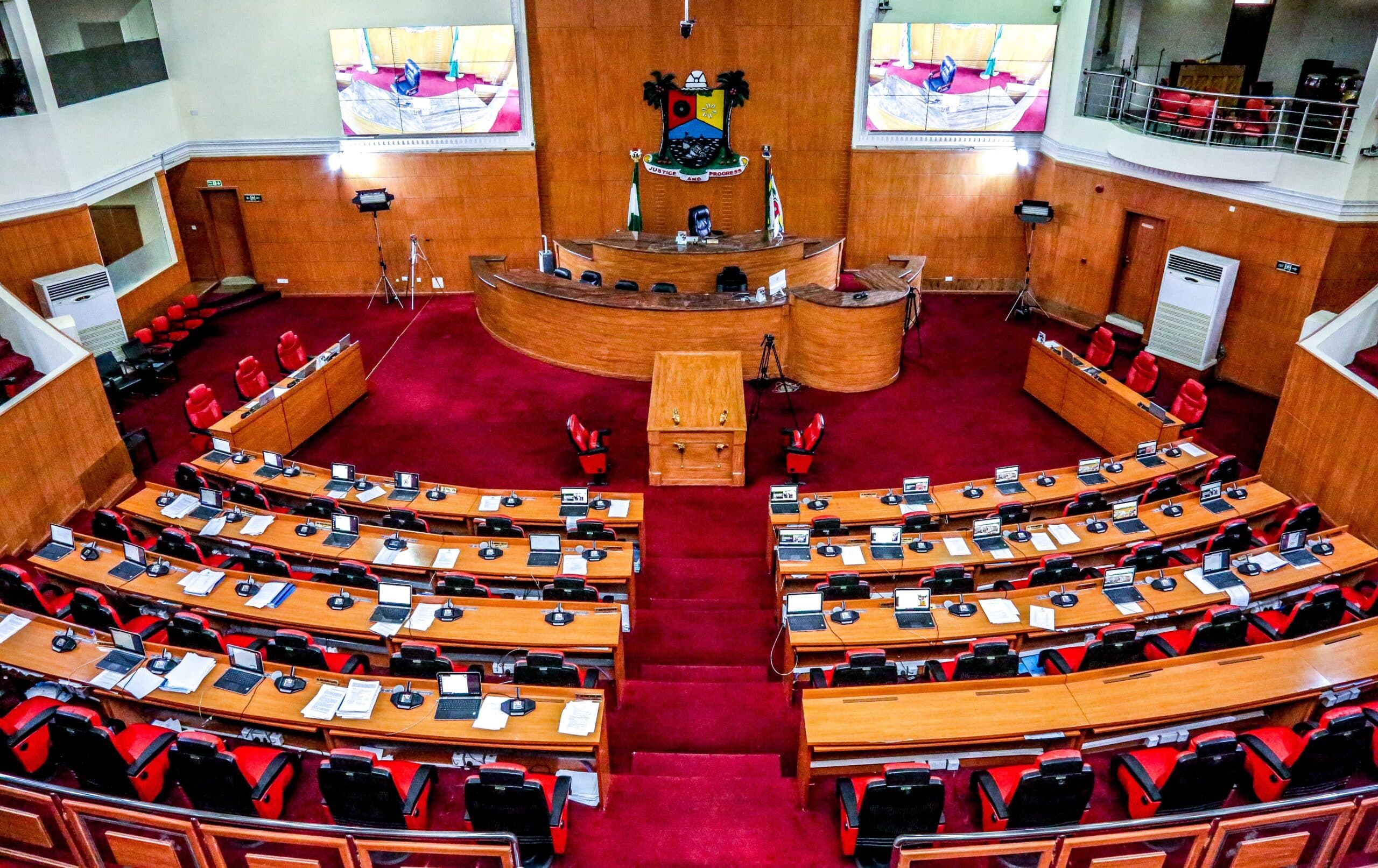
It has now shifted the battle for the landmark reform to the 36 state Houses of Assembly where at least 24 legislatures must endorse the proposal before it can become law.
The passage of the bill by the Senate marks a major breakthrough in a debate that has dominated Nigeria’s security discourse for decades and comes amid worsening insecurity across several parts of the country, including terrorism, banditry, kidnapping, communal violence and organised criminal activities.
The legislation, which seeks to establish state-controlled police services alongside the existing Nigeria Police Force, was approved after senators secured the constitutionally required two-thirds majority through a manual voting process adopted following technical glitches that affected the chamber’s electronic voting devices.
With both chambers of the National Assembly now backing the proposal, attention has shifted to state assemblies, whose approval will determine whether Nigeria finally abandons its long-standing exclusive federal policing structure.
The proposed amendment is widely regarded as one of the most consequential constitutional reforms undertaken since the return to democratic rule in 1999.
At the centre of the reform is a provision empowering governors to appoint Commissioners of Police for their respective states, subject to confirmation by state Houses of Assembly.
Under Clause 17 of the proposed constitutional amendment, “while the Federal Police Service will continue to be headed by the Inspector-General of Police, each State Police Service shall be headed by a Commissioner of Police appointed by the governor and confirmed by the legislature of the state.”