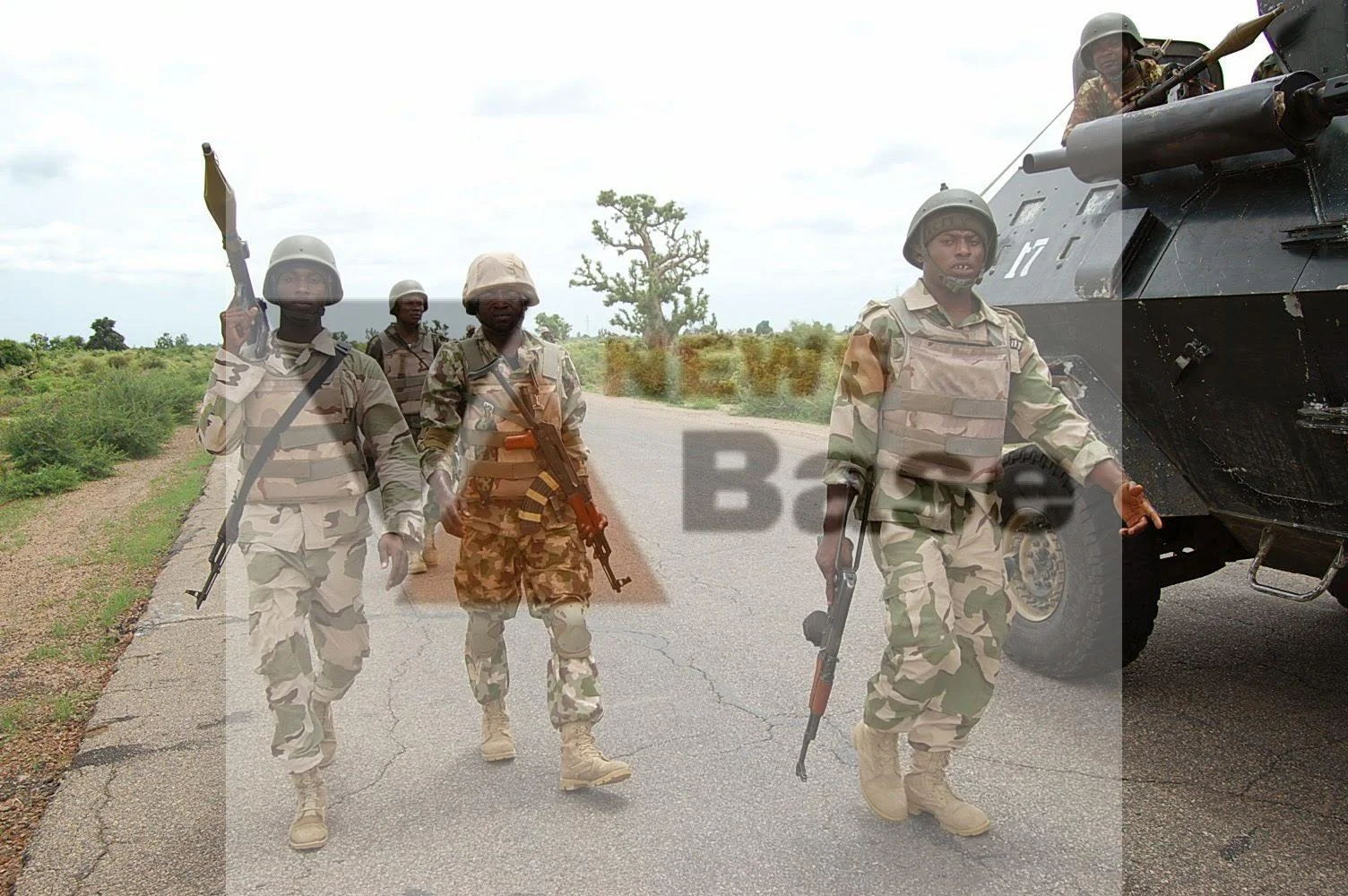
Nigerian soldiers engaged in counterinsurgency operations against Boko Haram and other terrorist groups in the North-East have reportedly expressed strong opposition to an alleged new directive that could see former insurgents integrated into active military operations.
According to reports circulating among military personnel and security circles, the proposed arrangement would require serving soldiers to work alongside, share intelligence with, and in some cases live in close proximity to individuals who were previously members of terrorist groups but have since undergone government-backed deradicalisation and rehabilitation programmes.
The development has reportedly sparked concerns among troops stationed in the region, many of whom have spent years fighting insurgent groups responsible for thousands of deaths, injuries, and displacements across North-East Nigeria.
Some soldiers reportedly fear that involving former insurgents in military activities could expose sensitive operational information and create opportunities for intelligence leaks. They argue that despite undergoing rehabilitation, there is no absolute guarantee that all former fighters have completely abandoned extremist ideologies.
Military sources quoted in various reports warned that forcing troops to cooperate with former terrorists could negatively affect morale and trust within operational units. The soldiers also expressed concerns about the possibility of sabotage, particularly in ongoing operations against Boko Haram and the Islamic State West Africa Province (ISWAP).
Several troops reportedly questioned the wisdom of granting former insurgents access to military strategies and intelligence, especially given the sacrifices made by security personnel who have lost colleagues in the fight against terrorism.
Nigeria has, over the years, implemented rehabilitation and reintegration initiatives aimed at encouraging insurgents to surrender and return to civilian life. Programmes such as Operation Safe Corridor were introduced to deradicalise and reintegrate repentant fighters into society after thorough screening and rehabilitation processes.
Supporters of such programmes argue that reintegration can help weaken terrorist organisations by encouraging defections and reducing the number of active fighters. They also maintain that rehabilitation efforts are part of a broader strategy to achieve lasting peace in conflict-affected communities.
However, critics have consistently raised concerns about the security implications of reintegrating former insurgents, particularly when communities and security personnel remain uncertain about the sincerity of some participants.