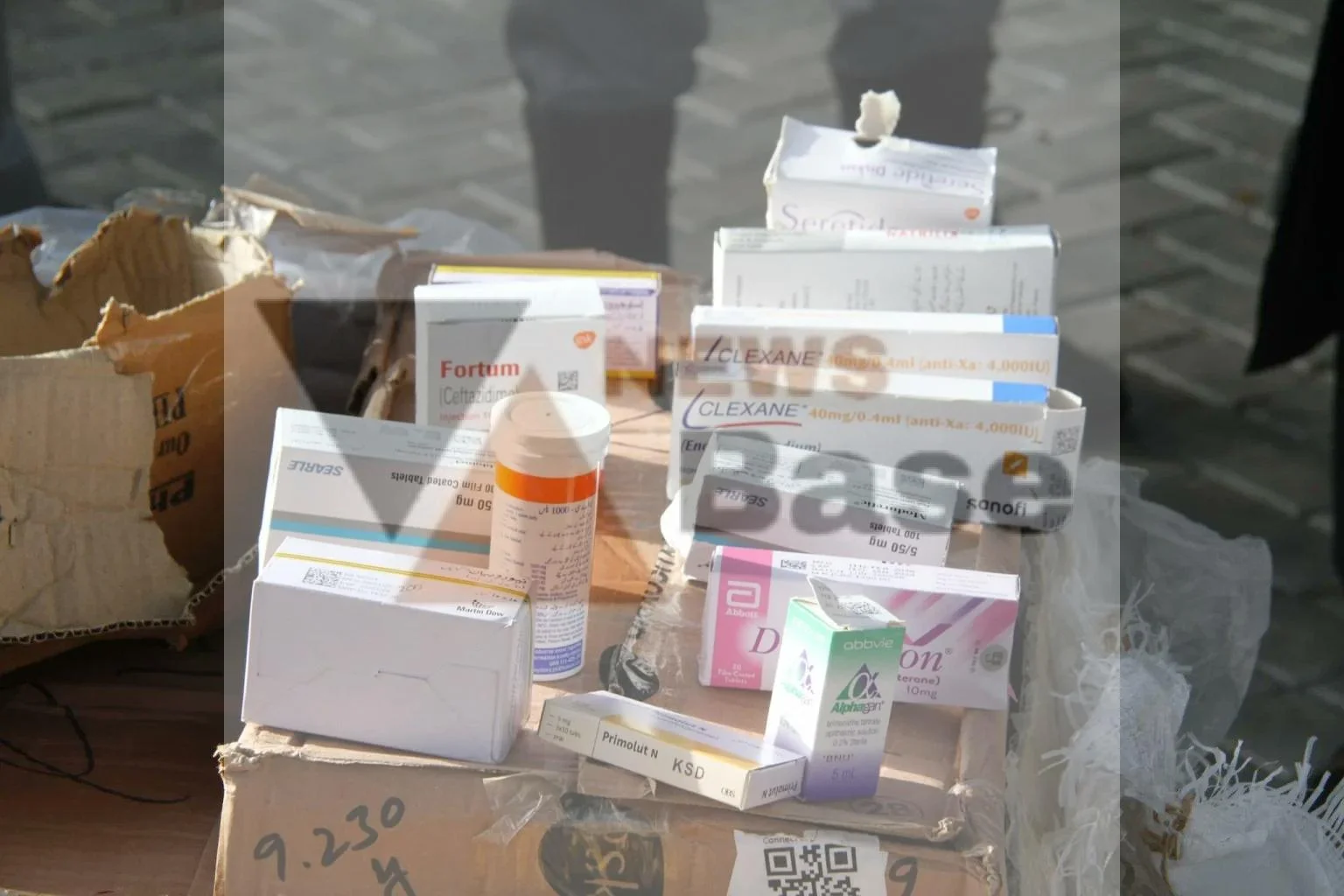
The Nigeria Customs Service (NCS) has intercepted more than 580,000 unregistered pharmaceutical products at the Mallam Aminu Kano International Airport, Kano, in a major operation aimed at preventing unsafe and unauthorized medicines from entering the Nigerian market.
The seizure was carried out by the Kano/Jigawa Area Command of the NCS during an intelligence-led enforcement exercise. Following the interception, the products were officially handed over to the National Agency for Food and Drug Administration and Control (NAFDAC) for further investigation and regulatory action.
According to Customs officials, the intercepted items were discovered during a routine inspection and were found to lack the necessary registration and approval required for importation and distribution in Nigeria. The products reportedly included hundreds of thousands of medicament tablets, thousands of injectable drugs, eye drops, and inhaler canisters.
Speaking during the handover ceremony, the Acting Customs Area Controller of the Kano/Jigawa Area Command, Usman Adamu, reaffirmed the agency’s commitment to safeguarding public health and protecting Nigerians from potentially harmful products.
He noted that the interception highlights the growing collaboration between the Nigeria Customs Service and NAFDAC in combating the importation of counterfeit, substandard, and unregistered pharmaceutical products into the country.
“The Nigeria Customs Service remains committed to ensuring that only approved and properly regulated products gain access to the Nigerian market. This seizure demonstrates our resolve to protect the health and safety of citizens,” he said.
Receiving the seized products on behalf of NAFDAC, Assistant Director Azik Kanadi commended Customs officers for their vigilance and professionalism. He warned importers and distributors against attempting to bring unregistered pharmaceutical products into the country, stressing that such products pose significant risks to public health.
Kanadi explained that medicines that have not undergone the required regulatory evaluation may contain harmful substances, incorrect ingredients, or ineffective formulations that could endanger consumers.