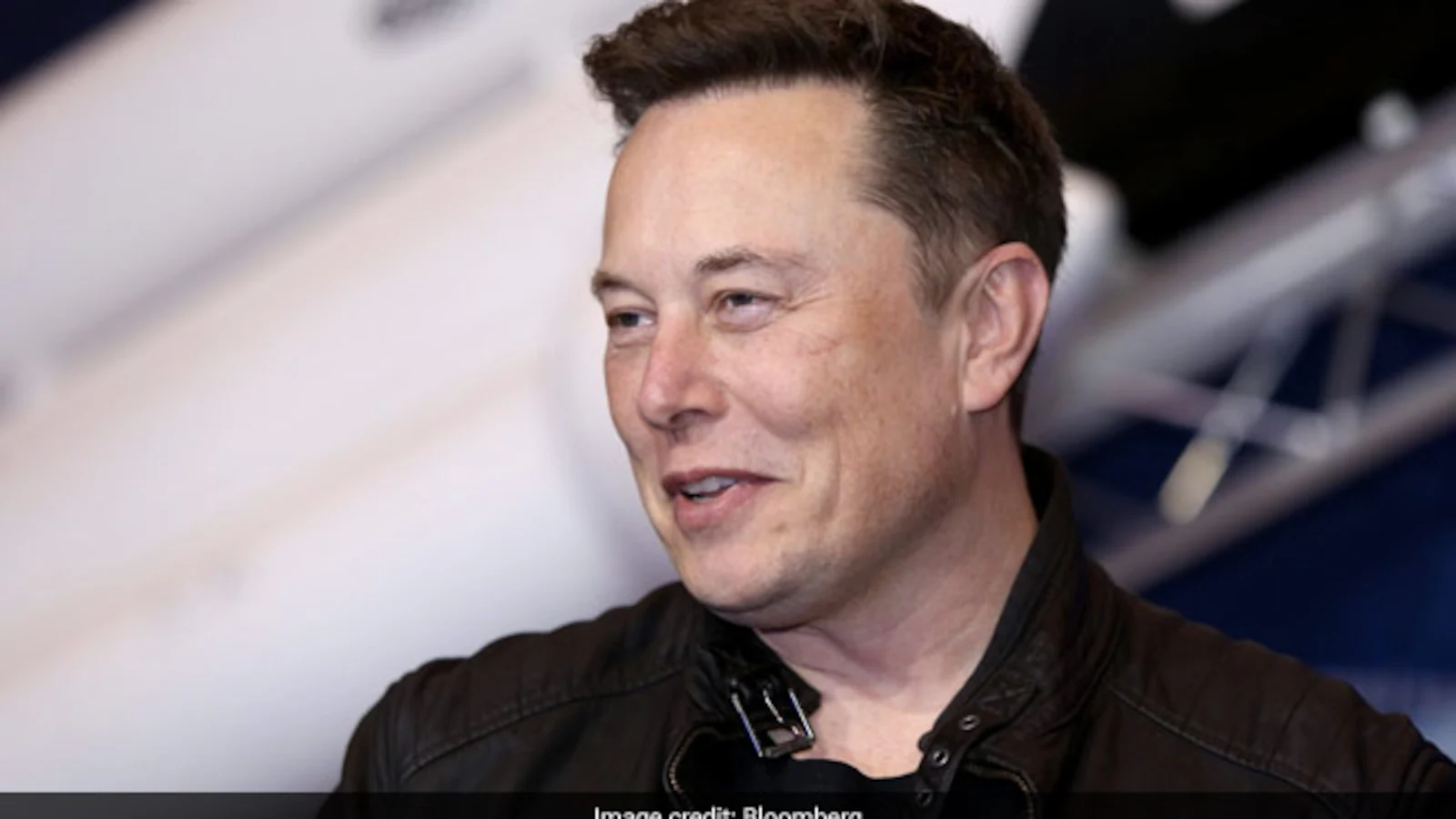
Elon Musk, the world’s richest person and now the first trillionaire on paper, has built his fortune through companies such as Tesla and SpaceX. However, reports suggest that his companies have received billions of dollars in government support, including grants, tax incentives, policies and loans.
SpaceX was awarded more than $500 million in government grants and contracts during its early years, while Tesla benefited from loans, electric vehicle tax credits, contracts and regulatory policies, according to CNN.
Ross Gerber, CEO of investment firm Gerber Kawasaki and an early investor in Tesla, told CNN, “There would not be (Tesla and SpaceX) if it weren’t for the government.”
Even though SpaceX is worth hundreds of billions of dollars today, the more than $500 million it received from the government may seem small in comparison. However, the company received that money when it was still a young startup struggling to establish itself in the industry.
In 2006, NASA awarded SpaceX a $278 million contract to develop its Falcon rockets and Dragon spacecraft. At the time, NASA was preparing to retire the Space Shuttle and needed a new way to transport astronauts and supplies to the International Space Station.
In 2008, the company was close to running out of cash. At that time, NASA awarded SpaceX a $1.6 billion contract to transport cargo to the International Space Station (ISS). “The fact (is) that we could not have started SpaceX, nor could we have reached this point, without the help of NASA,” Musk said in 2012, according to The National Space Society.
Many believe that these early government funds helped the company survive, attract investors and grow into the space giant it is today.
Tesla also received government support during its early years. In 2010, the company had sold fewer than 2,000 vehicles and was still a small electric carmaker. That year, the US Department of Energy gave Tesla a $465 million low-interest loan, which helped it develop the Model S sedan, the company’s first major commercial success.
In addition, government policies helped increase Tesla’s sales. For years, buyers of electric vehicles were eligible for a federal tax credit of up to $7,500. The incentive reduced the cost of buying a Tesla and encouraged more consumers to switch to electric vehicles. Before the program ended in 2019, Tesla customers received an estimated $3.4 billion in federal tax credits.
Tesla’s biggest government-related benefit came from emissions credit rules. Under US regulations, carmakers that failed to meet emissions standards had to buy credits from companies that did. Because Tesla sold only electric vehicles, it had credits available for sale.
As a result, traditional automakers paid billions of dollars to Tesla to comply with environmental regulations. Credit sales made up nearly 25 percent of Tesla’s revenue in 2008 and around 10 percent of its revenue over the next five years.
Between 2008 and 2019, Tesla earned more than $2 billion from selling regulatory credits.
“We are extremely transparent about the impact of such credits on our results and have chosen to separately present the automotive regulatory credits,” Tesla said.
Musk became the first trillionaire on paper after SpaceX went public through an Initial Public Offering (IPO). The stock was initially priced at $135 per share but rose to $160.95 by the end of its first trading day, taking the company’s total market value to $2.11 trillion.
At the IPO price, Musk’s stake in the company was worth about $866 billion. After the stock rose on its first day, the value of his stake increased to about $1.03 trillion.