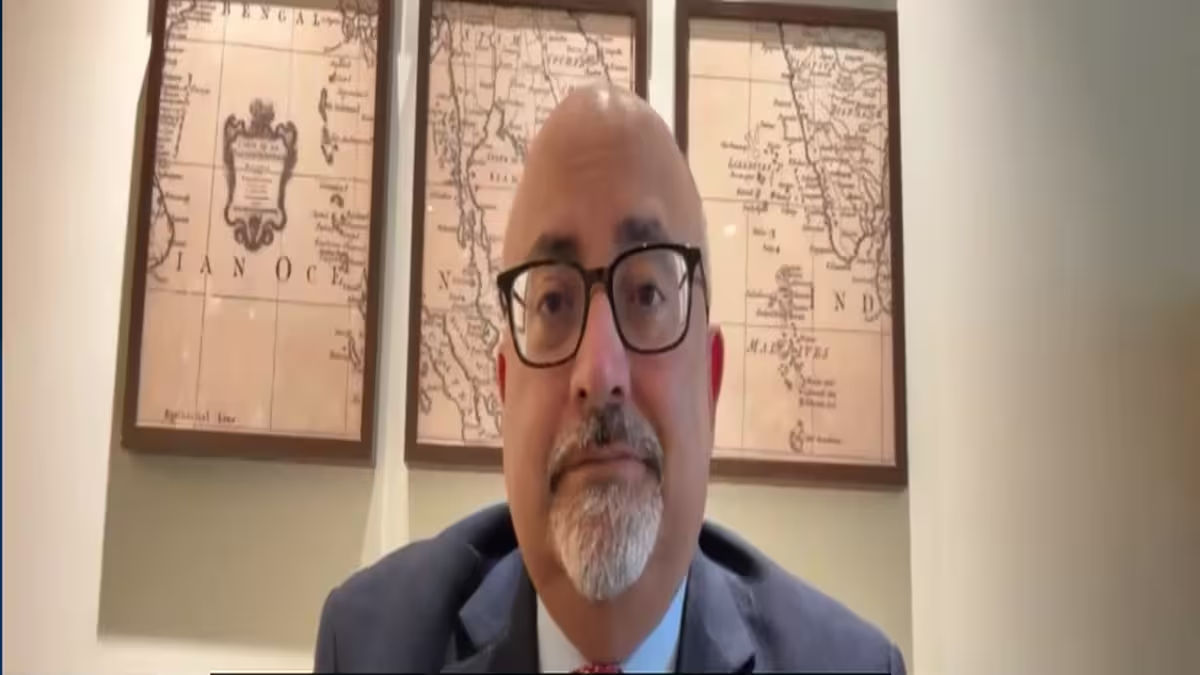
Speaking to CNBC-TV18, Keshap said that while India enjoys strong structural growth and remains the world’s fastest-growing major economy, the current race for leadership in emerging technologies, particularly artificial intelligence, leaves little room for prolonged negotiations.
“Time may be India’s friend in the long haul because of India’s inherent strengths and structural growth, but in this AI foot race, time is not India’s friend,” Keshap said. “The faster we get this trade deal done, the faster it creates a signal of profound psychological confidence and trust between Washington and Delhi.”
His comments come as trade negotiators from both countries work to bridge the remaining gaps in an interim trade agreement after more than a year of discussions. Keshap said most of the heavy lifting has already been completed and that negotiations have entered their final stage.
According to him, India is seeking greater transparency on the concessions and market access arrangements that the United States may be offering other trading partners, as New Delhi looks to avoid being placed at a structural disadvantage in accessing the American market.
Keshap said concerns surrounding potential US actions under Section 301 are also likely to be addressed as part of the final negotiations. He expressed confidence that Indian negotiators would factor such risks into any eventual agreement.
“I don’t think we will have spent this much time negotiating through all of these various dimensions between the two governments and then neglect to include the impact, the potential impact, of the Section 301 investigation,” he said.
The USIBC chief argued that a successful agreement would go beyond tariff reductions and help strengthen the broader strategic relationship between the two countries. He said deeper economic engagement would create jobs, boost investment, generate tax revenues and provide what he described as greater “strategic ballast” to the bilateral relationship.
Keshap also highlighted the role energy trade could play in expanding commercial ties. He said increased Indian purchases of American oil and gas could help both countries move closer to the widely discussed goal of reaching $500 billion in bilateral trade while reducing some of the geopolitical risks associated with energy shipments through the Strait of Hormuz.
Despite suggestions that India could afford to take more time given its strong economic performance and rising exports to the United States, Keshap urged both governments not to delay.
Drawing a parallel with long-term investing, he said postponing decisions often means sacrificing opportunities that could have been realised earlier.
“My very strong urging would be that both sides not waste more time,” he said, adding that an agreement would unlock greater productivity, investment and economic growth across both economies.
Keshap also called for greater emphasis on strengthening economic ties at a time when strategic convergence between Washington and New Delhi appears to be facing some pressure. While he dismissed the possibility of a major divergence in relations, he said both governments should focus on making it easier for businesses to trade, invest and hire across borders.
USIBC, which represents around 200 major American and Indian companies, is keen to see negotiations concluded and a framework put in place that would allow businesses to deepen engagement, he said.
At the same time, Keshap reiterated his long-term optimism about the relationship, arguing that a comprehensive trade framework would help ensure that the world’s two largest democracies remain economically competitive throughout the century.