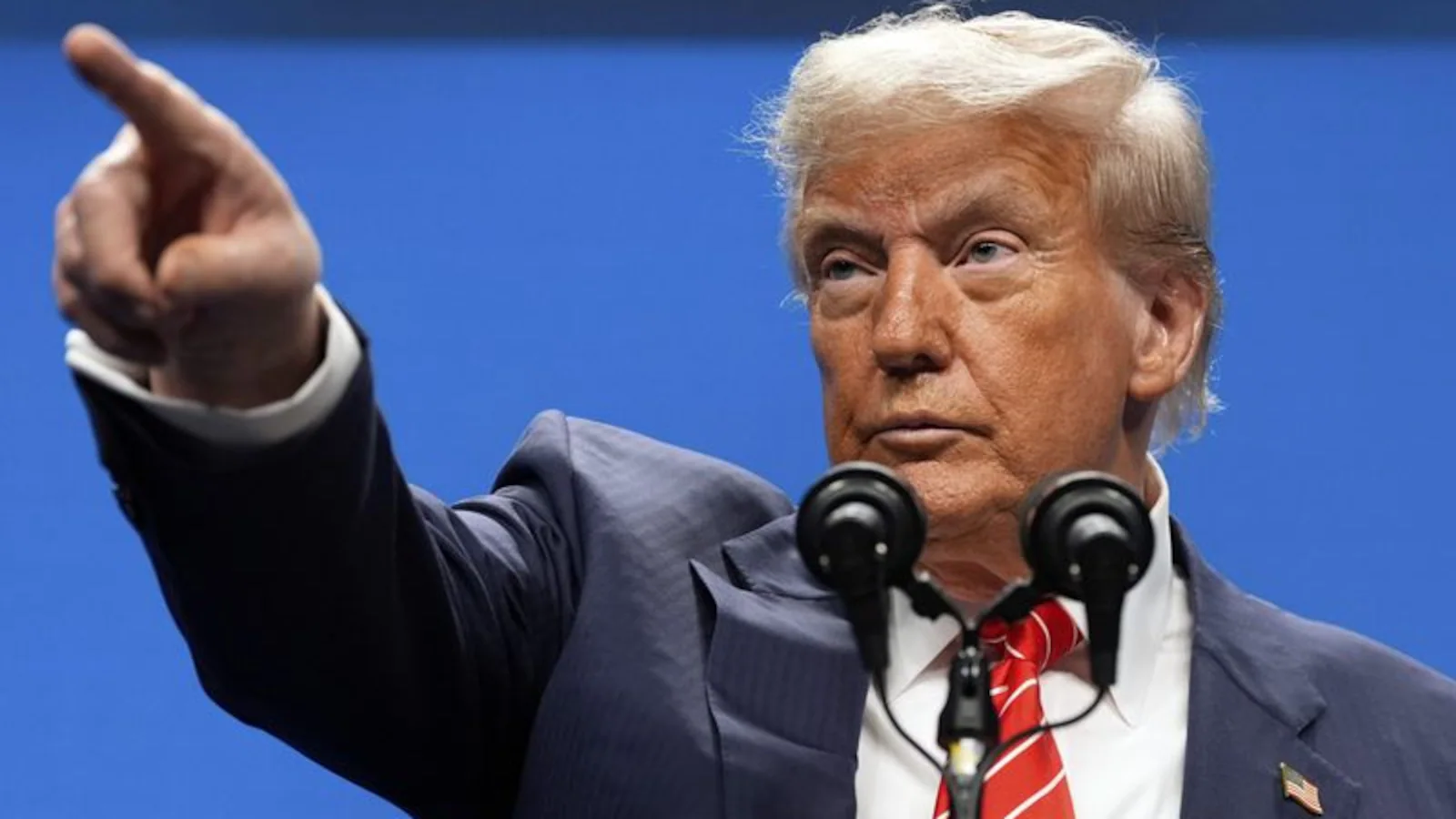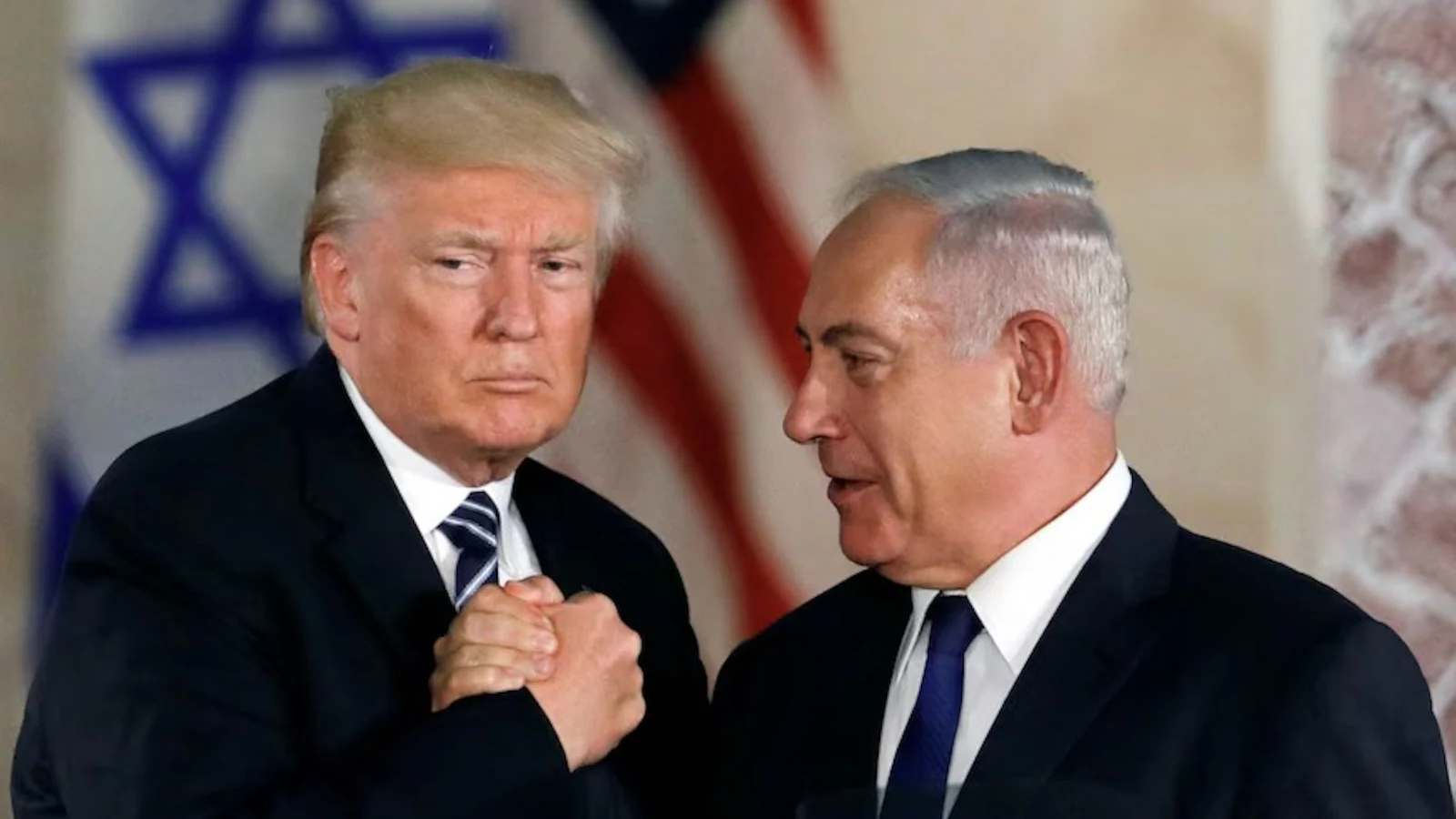
US President Donald Trump and Israeli Prime Minister Benjamin Netanyahu appeared united when they launched their campaign against Iran on February 28. But weeks into the conflict, differences between the two leaders have started becoming visible, with their political priorities pulling them in different directions.
The latest tensions emerged after Israel carried out a strike on Beirut in its fight against Iran-backed Hezbollah, despite Trump publicly warning against such an attack. Iran responded by firing ballistic missiles at Israel, marking a fresh escalation after months of fighting.
While the immediate strikes have stopped, Netanyahu appears unwilling to slow down, even as Trump continues to push for talks aimed at ending the conflict.
Elections Shape Different Priorities
The biggest reason behind the growing gap between Trump and Netanyahu is politics at home.
Trump is looking ahead to the US midterm elections in November and wants to bring the unpopular Iran war to an end. The conflict has pushed up fuel prices in the US, with the average cost of regular gasoline rising above $4 per gallon in many places, adding pressure on his administration.
Netanyahu, who also faces elections this year, has a different challenge. He needs to show that Israel is achieving victory against Iran and its allies, while facing criticism over continued Hezbollah attacks.
When the US and Israel first struck Iran, both leaders presented a united front.
Netanyahu said the mission was to weaken Iran’s military capabilities, eliminate its nuclear and ballistic missile programmes and remove its government. Trump, meanwhile, announced the death of Iran’s supreme leader in the opening attack and called on Iranians to “take back” their country.
But their goals soon appeared to diverge. Trump seemed focused on achieving a quick outcome, while Netanyahu wanted a broader campaign against Iran and its allies, even if it meant a longer war.
Lebanon Becomes Main Point Of Conflict
The disagreement between the two leaders has become most visible over Lebanon, where Israel continues operations against Hezbollah despite ceasefire efforts.
Iran has insisted that Lebanon must be included in any wider regional agreement. Trump appears open to the idea as part of efforts to reach a deal, while Iran has warned it could strike Israel again if attacks on Lebanon continue.
Israel, however, wants to continue its campaign until Hezbollah’s threat is removed.
The tension spilt into public view when Trump admitted he had a heated conversation with Netanyahu over the issue. He said he had become frustrated that Israel’s actions against Hezbollah could damage negotiations with Iran.
On a call, the US leader called Netanyahu “f***ing crazy” and accused him of ingratitude, according to a report by Axios.
“You’re fucking crazy. You’d be in prison if it weren’t for me. I’m saving your ass. Everybody hates you now. Everybody hates Israel because of this,” Trump told Netanyahu, according to the Axios report.
At one point, a source said Trump got “pissed” with Netanyahu and asked him, “What the fuck are you doing?”
Trump criticised Israel’s Beirut strike, which Lebanese authorities said hit a residential building, killing two people and injuring 20.
After Iran launched missiles in response, Trump urged restraint and told the Financial Times, “I call all the shots,” not Netanyahu.
Hours later, Israel launched strikes on Iran.
Leaders Downplay The Rift
Officials from both sides have tried to minimise the differences.
Trump had pushed for caution to avoid upsetting markets and keep talks alive, while Israeli officials argued that Iran’s attacks required a strong response.
Speaking on a New York Post podcast, Trump acknowledged that he called Netanyahu “fucking crazy” and accused him of ingratitude.
“I did”, Trump said. He added, “I wouldn’t say angry. I was a little bit perturbed at his constantly fighting with Lebanon, you know. At some point I said, ‘Bibi, we’ve got to stop this. We gotta stop it.'”
However, he quickly stated that he has a close relationship with Netanyahu despite the altercation, saying, “We’ve done well together… I like Bibi a lot.”
Netanyahu rejected the idea that there was a serious disagreement with Trump.
After the latest strikes, he said, “Israel has a full right to self-defence, and we are exercising it to the extent necessary.”
He added, “I say this to you, just as I say this, with appreciation and respect, in my good conversations with my friend, President Trump.”
This is not the first time Trump and Netanyahu have disagreed publicly over military decisions.
Earlier in the conflict, Trump criticised Netanyahu’s decision to strike a key Iranian gas facility, which led Iran to retaliate against energy targets in the Gulf.
“I told him, ‘Don’t do that,'” Trump said. “We get along great. It’s coordinated, but on occasion he’ll do something.”
The US and Iran are currently holding indirect talks through Pakistani mediators, without Israel being part of the negotiations. Any possible agreement could allow Iran’s government to remain in place while permitting a limited nuclear programme under restrictions.