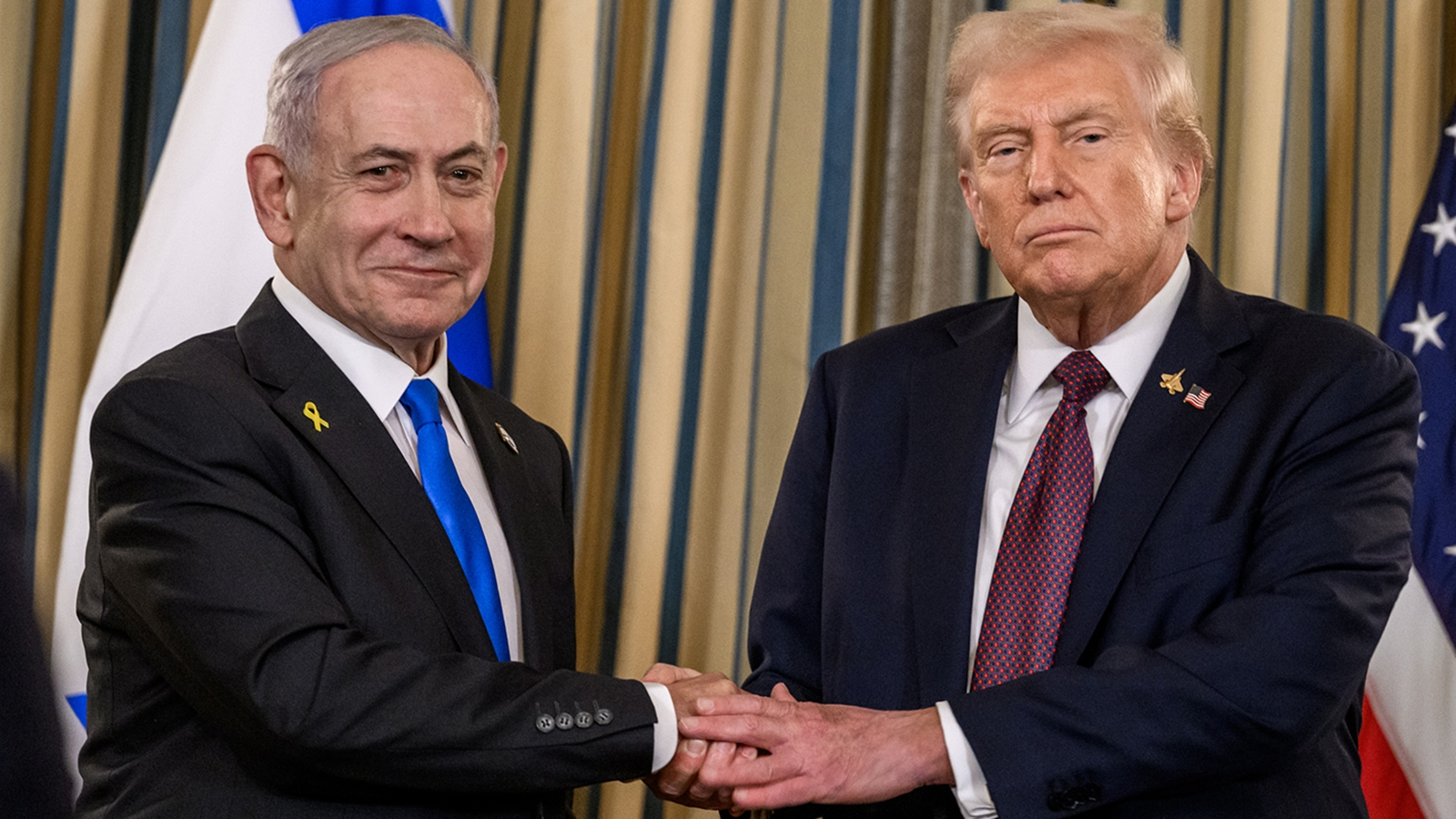
Israeli Prime Minister Benjamin Netanyahu found himself increasingly isolated on Wednesday after US President Donald Trump formally signed a memorandum of understanding with Iran, a deal that many Israeli officials reportedly view as a strategic setback and one that could force Tel Aviv to halt military operations against Hezbollah in Lebanon, reported Axios.
While Trump hailed the agreement as a pathway to ending months of conflict in West Asia, Netanyahu remained publicly silent. The deal comes just four months before Israel’s general election and threatens to undermine Netanyahu’s long-standing promise of achieving “total victory” against Iran and its regional allies.
Despite criticism, Axios reported that Netanyahu remains deeply sceptical of the deal and believes the conflict should have continued. The United Arab Emirates, known for its hawkish stance, has joined the consensus amongst other Gulf nations supporting the deal. In Washington, the GOP and media refuse to criticise the agreement. Netanyahu is unable to publicly oppose the accord without risking a direct fight with Trump.
What is in the MoU?
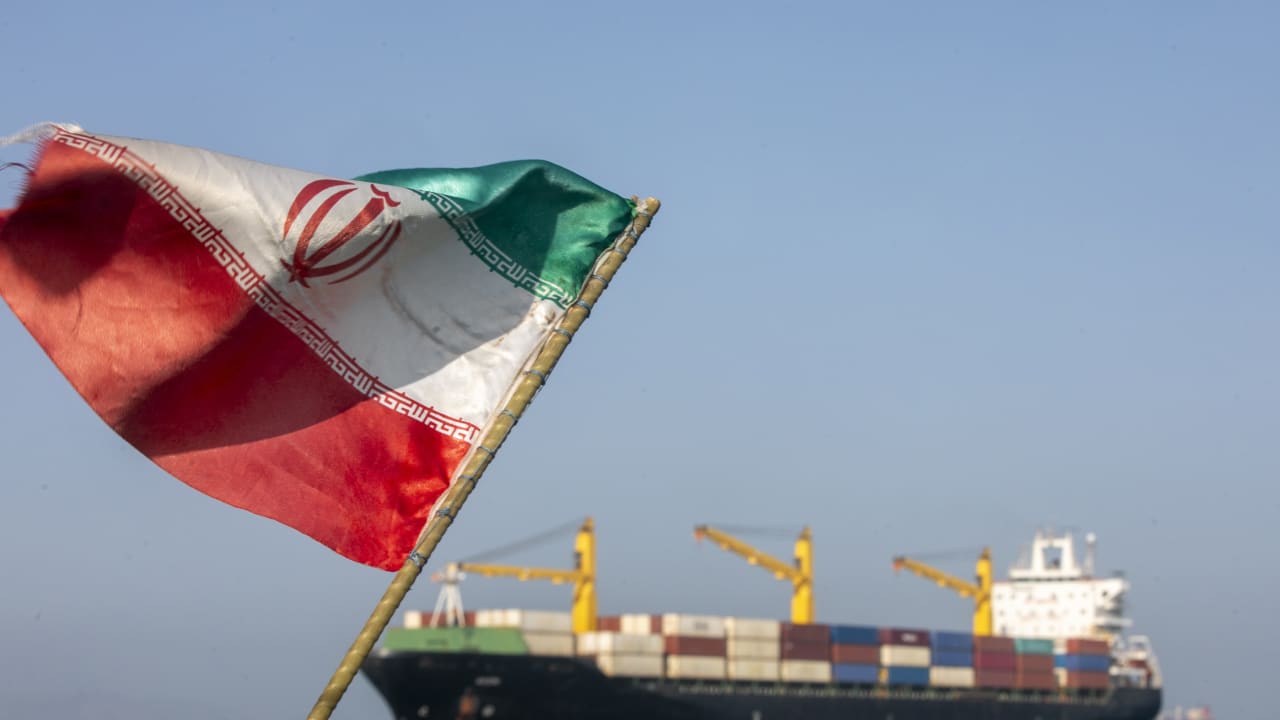
The agreement calls for a permanent end to hostilities and starts a 60-day negotiating clock to reach a final deal on the future of Iran’s nuclear programme, though Trump left the door open to resume attacks. The deal will stop the fighting and start more negotiations. Much of the agreement would restore the status quo before the war, including ending hostilities, restarting talks between the US and Iran over Tehran’s nuclear programme, and reopening the Strait of Hormuz, the crucial passage for the world’s oil and natural gas, whose closure created a historic energy crisis.
The agreement opens the strait without tolls for two months, but does not preclude fees in the future, according to the drafts from both countries. In return, the US will move to waive, but not eliminate, some wide-ranging sanctions against Iran.
Why Netanyahu dislikes it
The deal also affirms a commitment to Lebanon’s territorial integrity in the face of Israel’s invasion against the Hezbollah militant group. That is one of the most delicate parts of the agreement because Israel has maintained it will continue to defend itself and to occupy vast swaths of Lebanon. Iran has said Israel must withdraw under the deal, a condition Israel has already rejected.
The US and Israel went to war on February 28 in part to prevent Iran from ever getting a nuclear weapon. The accord would also provide Iran with at least $300 billion to rebuild — an extraordinary figure and another major benefit for Iran. The money also appears dependent on the progress of further negotiations.
Story continues below this ad
How did Israeli media respond?
According to Axios, while Israeli officials have strayed away from public denunciations, Israeli reporters have criticised the agreement and attacked Trump.
One prime time host from Channel 14, who is pro-Netanyahu, has used a slur against Vice President JD Vance and Trump’s envoy, Steve Witkoff, and Jared Kushner, accusing them of selling out Israel for financial gain, according to Axios.
G7 and Trump’s stance on Netanyahu
Trump thanked Netanyahu for his cooperation with Iran during the war, according to Axios, while also making a critical remark, saying that his judgment was zero because a strike was ordered by Netanyahu in Beirut, delaying the deal.
Israel denied review of the MOU
The Sunday deal came as a surprise to Netanyahu, and Israeli officials complained they had not been allowed to review the final text before Trump announced the agreement. However, US officials noted Israel was briefed but never requested the final text, which Trump confirmed was ultimately provided on Wednesday.
Story continues below this ad
Despite Netanyahu’s scepticism, a US official reported that Netanyahu had conceded to Vance, Kushner, and Witkoff that Iran’s nuclear concession being secured would be a massive triumph.
Netanyahu concerned about Lebanon
The current pressing issue for Netanyahu is Lebanon. The MoU mentions a ceasefire between Israel and Hezbollah, stating that Israel will have to pull out its forces from Lebanon. An Israeli advisor clarified that Israel is not bound by this part of the MOU and will not withdraw from Southern Lebanon until Hezbollah is disarmed.
Israel’s tactics criticised
The White House stressed that it is not a “one-sided ceasefire” and Israel can retaliate if Hezbollah attacks. U.S officials hope that the 60-day window will be used by Israel, urging the state to secure a political statement with Lebanon, hoping for a withdrawal rather than a nuclear deal with Iran. Trump sharply criticised Israel’s tactics, condemning the destruction of residential buildings to hit individual targets.
Absorbed from the statements of the indispensable ally, Trump’s blunt criticism of Israel’s tactics is a blow to Netanyahu.
Story continues below this ad
(The article was curated by Salonee Kulkarni, who is an intern with The Indian Express)