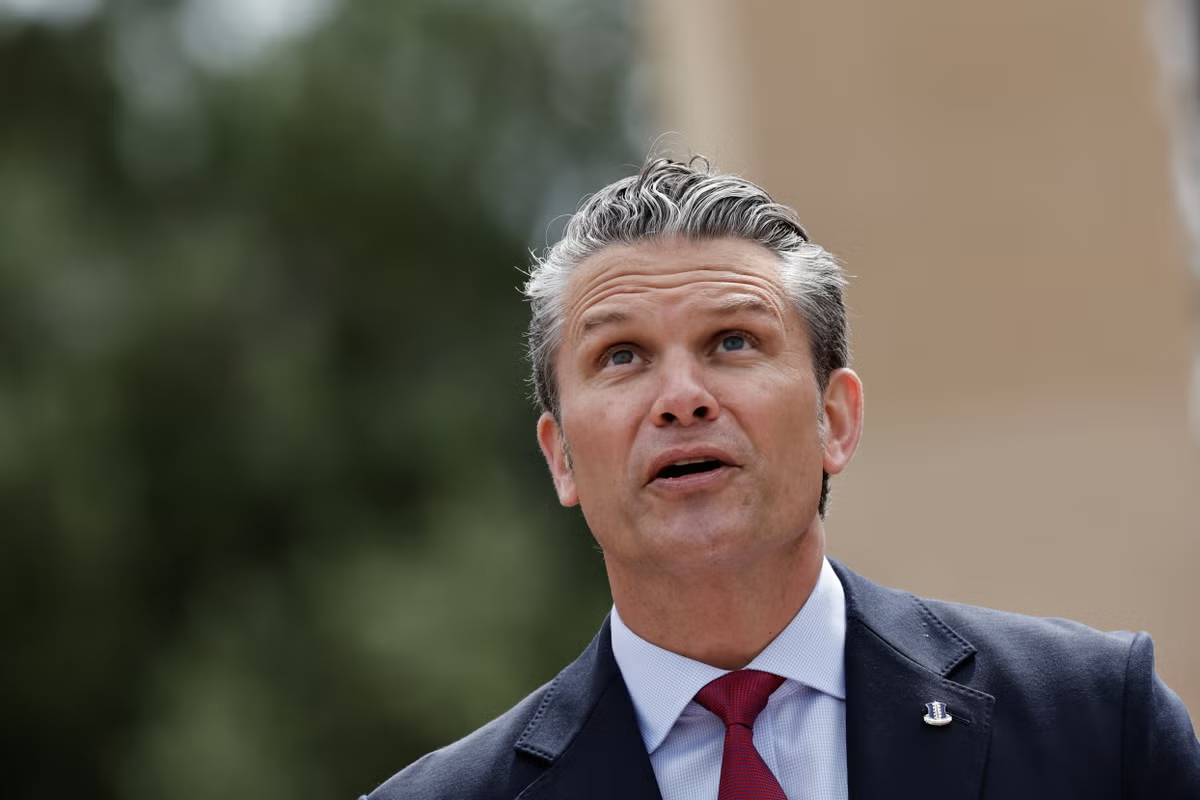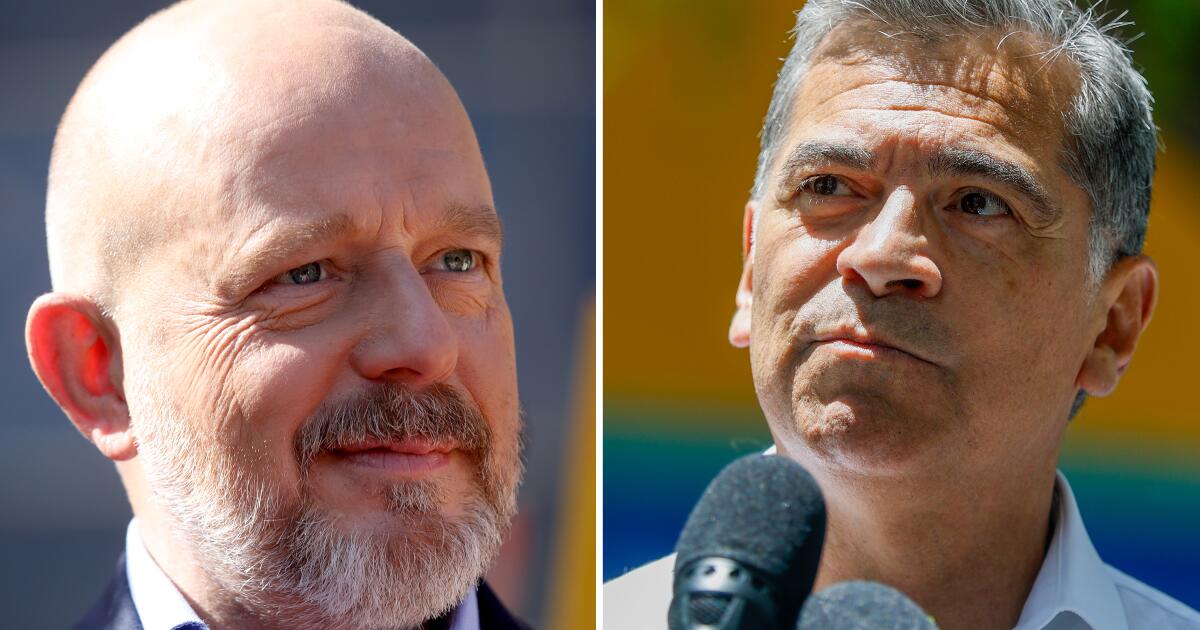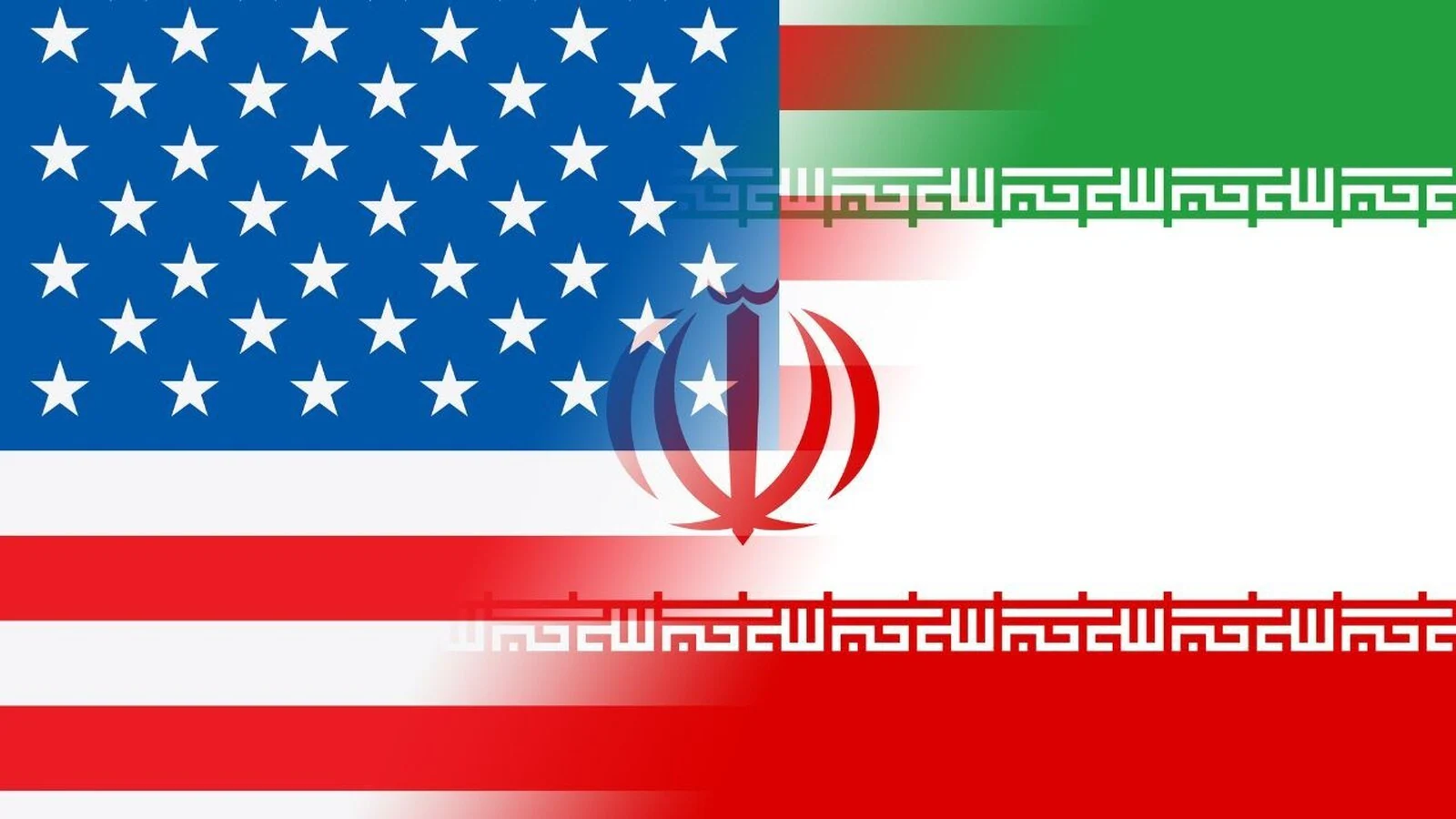
US President Donald Trump and Iranian President Masoud Pezeshkian digitally sealed a 14-point agreement aimed at ending the conflict in West Asia. Trump acknowledged that the deal was “not easy” to achieve as he signed the agreement at France’s historic Palace of Versailles.
The US President said the agreement helped avert what could have become a “worldwide depression”. He also claimed that the removal of nuclear stockpiles from Iran would begin immediately, while insisting that Washington would not have to offer Tehran anything in return.
With initial talks between the US and Iran scheduled to begin in Switzerland on Friday, several questions remain over what the agreement means for Iran’s regional influence, control of the Strait of Hormuz, its nuclear programme and the future of peace in the region.
Experts who spoke to CNBC-TV18 offered differing perspectives.
Did Iran emerge stronger from the deal?
One of the biggest debates surrounding the agreement is whether Iran secured a favourable outcome.
Omair Anas, author and professor at Yildirim Beyazit University, believes the deal is widely being viewed as a victory for Tehran.
“Let me say that this deal is being seen as a victory for Iran because Iran has made this crisis so very complicated that the Israelis and Americans found it very difficult to have a safe and honourable exit from this crisis,” he said.
According to Anas, Iran succeeded in turning the conflict into an international issue that affected countries across the Gulf, Europe and Asia, thereby increasing pressure on all sides to reach an agreement.
Former Foreign Secretary Shashank, however, viewed the development through a different lens. Rather than focusing on winners and losers, he argued that the agreement has reduced the immediate risk of conflict and created a pathway towards greater stability.
“There is some certainty already that there is no immediate prospect of a bombing campaign in Iran,” he said.
Shashank added that the agreement could encourage broader international efforts to promote peace and reconstruction in the region.
What happens to the Strait of Hormuz?
The Strait of Hormuz remains one of the most closely watched aspects of the agreement.
The waterway is among the world’s most important energy trade routes, carrying a significant share of global oil and gas shipments.
While some observers believe the US withdrawal from the area effectively strengthens Iran’s influence over Hormuz, Anas said the arrangement appears more complex.
He pointed to provisions that would see Iran work alongside Oman on the maintenance and administration of the strait.
“So Iran is not alone in controlling Hormuz, but one of the Gulf countries will also be involved. In this way, Hormuz has been partially internationalised,” he said.
According to Anas, the arrangement suggests a joint mechanism rather than exclusive Iranian control.
Could ships be charged to use Hormuz?
One of the concerns raised by the agreement is whether tankers and commercial vessels could eventually face administrative or maintenance-related charges while passing through Hormuz.
Former Commerce Secretary Ajay Dua warned that such a possibility cannot be ruled out.
“I fear that could happen,” Dua said, noting that the agreement’s proposal for joint administration by Iran and Oman raises important questions.
Under international law, key maritime passages such as Hormuz are generally expected to remain open to international shipping. However, Dua argued that the new arrangement may create room for some form of fee structure in the future.
The implications could extend far beyond the Gulf.
Countries including India rely heavily on the waterway for energy imports and trade. Dua also warned that if Hormuz were to move towards a fee-based model, other strategic waterways could eventually seek similar arrangements.
He cited the Strait of Malacca as one example where governments may look closely at any precedent created by the Iran-Oman framework.
Can Iran still pursue nuclear power?
Another key question is whether the agreement limits Iran’s nuclear programme.
The answer appears to be yes for nuclear weapons, but not necessarily for civilian nuclear energy.
Shashank argued that as long as Iran remains within the framework of the Nuclear Non-Proliferation Treaty (NPT), it retains the right to pursue civil nuclear power.
“So long as Iran does not move away from the NPT, I presume that it retains the full right to civil nuclear power,” he said.
He also noted that Iran’s uranium enrichment activities accelerated after the US withdrew from the earlier Joint Comprehensive Plan of Action (JCPOA) agreement.
According to Shashank, there is little evidence that Tehran intends to pursue nuclear weapons, particularly given longstanding religious and political opposition to such a programme.
Anas, meanwhile, argued that Iran’s enriched uranium stockpile strengthened its negotiating position.
“Iran has effectively used its enriched uranium to its advantage, and that’s why it has got this big deal in its favour,” he said.
Will the agreement bring lasting peace?
The first point of the agreement commits both sides to refrain from military action against each other while also recognising Lebanon’s territorial integrity and sovereignty.
However, questions remain about whether the broader regional conflict has truly ended.
Anas believes the inclusion of Lebanon in the agreement may indicate that limited tensions could continue in the near term.
“There is a possibility that the Iranian-Israeli conflict may continue for some time, maybe a month or so. Limited strikes and limited escalation may continue,” he said.
At the same time, he suggested that the agreement could open the door to a gradual normalisation of relations between Washington and Tehran.
Shashank also expressed hope that the agreement could become part of a broader diplomatic process that promotes economic growth and stability across West Asia.
What comes next?
The agreement marks only the beginning of what is expected to be a lengthy diplomatic process.
The first round of talks between the United States and Iran, with Pakistan and Qatar acting as mediators, is scheduled to take place in Switzerland on Friday.
For now, the deal has eased immediate fears of a wider regional war. But major questions remain over its implementation, the future of Iran’s nuclear activities, the administration of the Strait of Hormuz and whether the fragile truce can evolve into a durable peace.