Children Sleeping in Churches, Farms Abandoned: Nasarawa’s Silent Humanitarian Crisis; ‘We can no longer access our farms or return to our homes.’ — Displaced resident
By Ekani Olikita
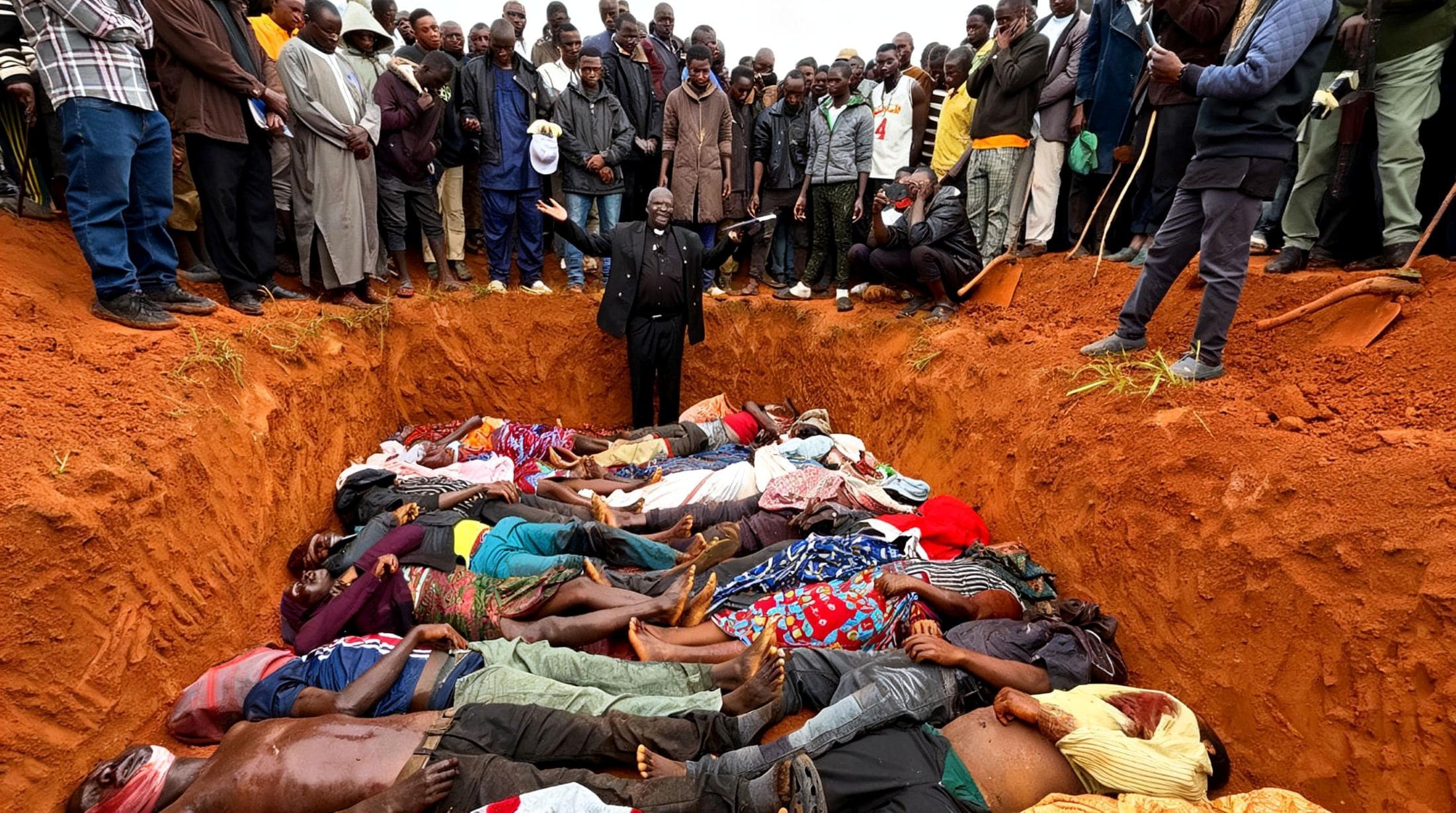
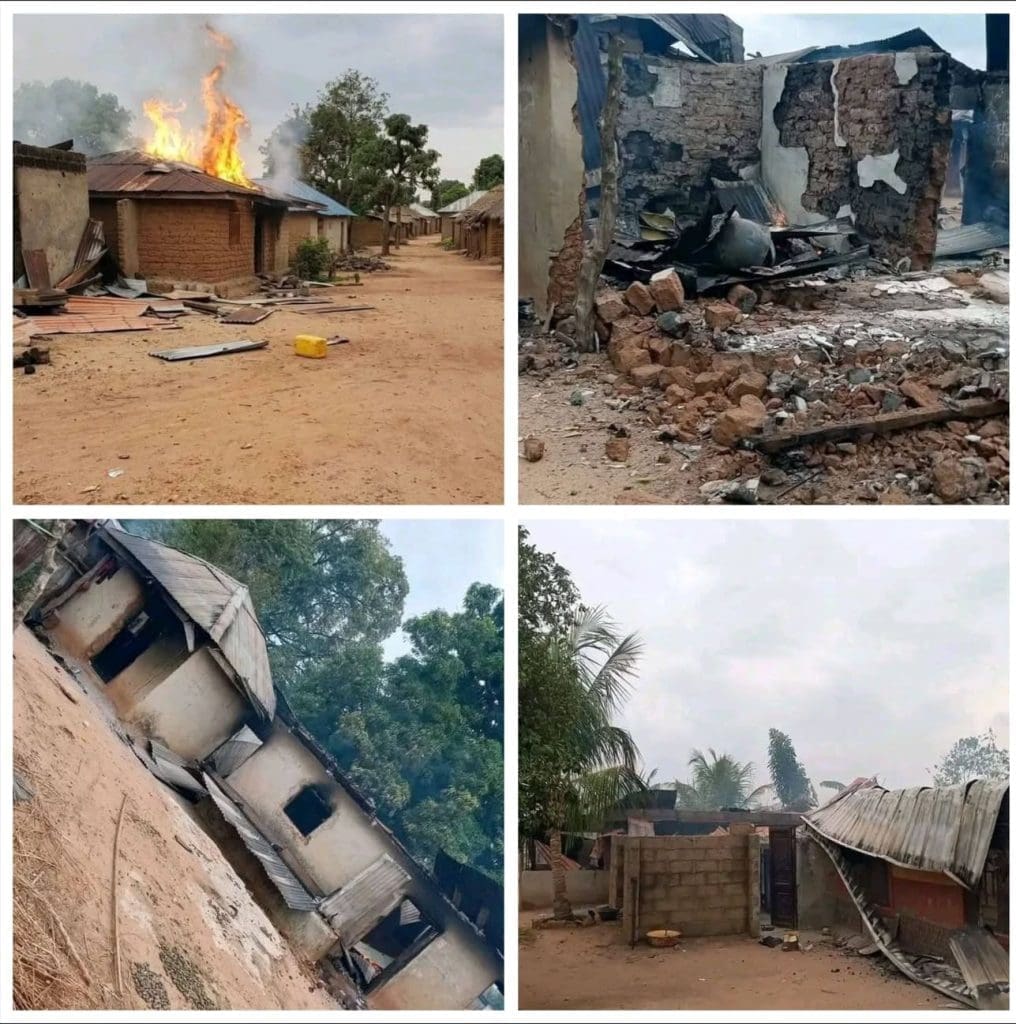
LAFIA, Nigeria — Two months after coordinated attacks that killed dozens and razed entire villages, armed Fulani militia remain in full control of several mostly Christian rural communities in central Nasarawa State, preventing thousands of displaced residents from returning to their homes and farmlands.
Residents of rural communities in central Nasarawa State are seeking urgent government intervention over the continued occupation of their villages.
They allege that armed Fulani ethnic militia have remained in control of the affected communities and farmlands for more than two months following a series of deadly attacks that displaced thousands of residents.
The affected communities—Gidan-Ogiri (Sabon Gida), Akyawa-Baka, Udeni Gida, Apum, Udege-Kasa and Apuram Adagba, are located in the Odeni Precinct (Council Ward) of the Udege Development Area in Nasarawa County (Local Government Area). The predominantly Christian communities are inhabited largely by members of the Afo ethnic group who depend on farming for their livelihoods.
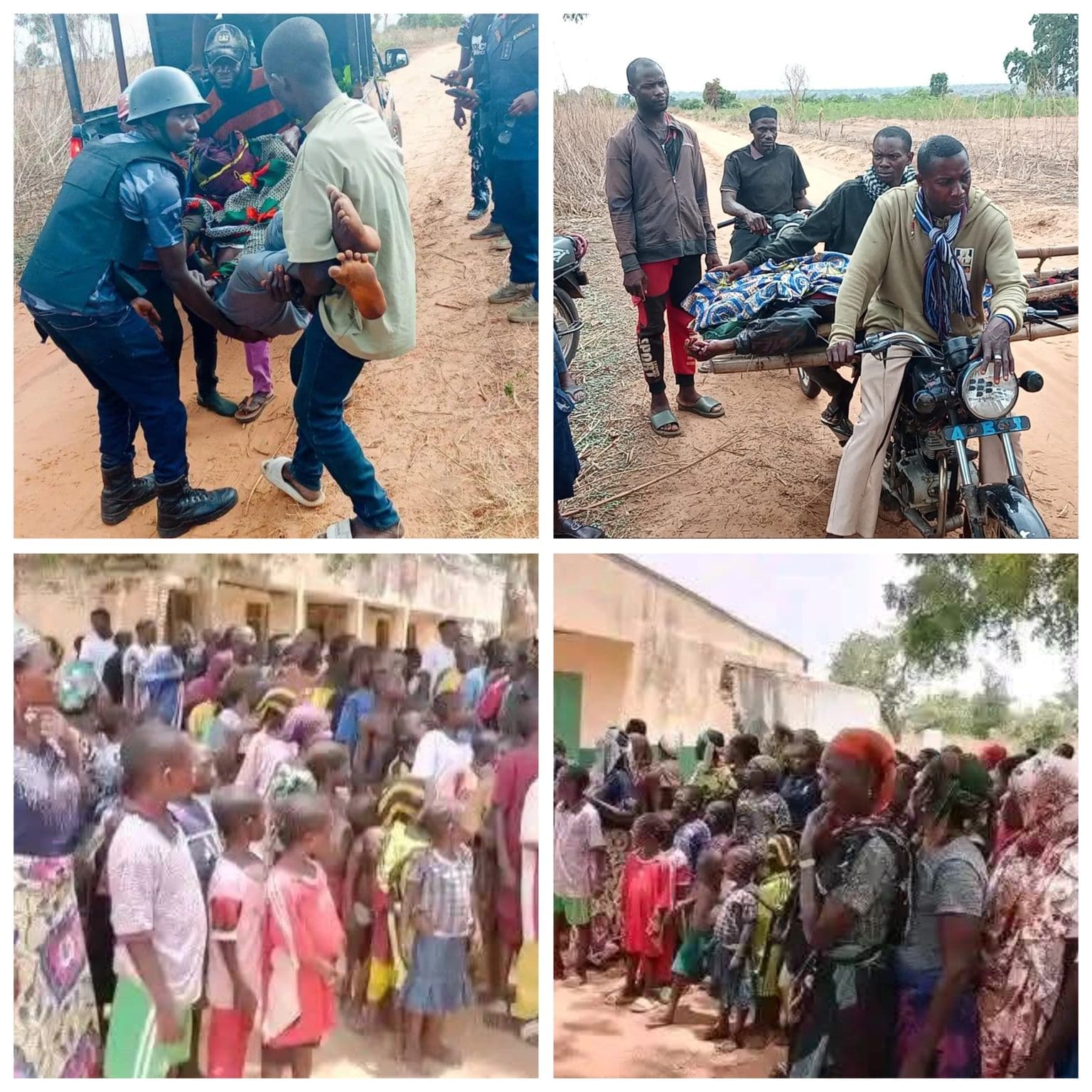
Residents say they remain displaced and unable to return home because armed attackers still control large portions of their ancestral lands. Reports of the continued occupation have intensified fears of permanent displacement and food insecurity across the area.
According to local residents, more than 200 heavily armed militants launched coordinated attacks on the communities between April 2 and April 3, 2026.
Survivors said the attackers moved from village to village, killing residents and burning homes while security forces failed to intervene in time.
Police authorities confirmed that at least 11 people were killed and more than 50 houses destroyed during the attacks, although community leaders contend that the death toll exceeded 80.
Residents Describe Ongoing Occupation
Abu Jonah, a displaced resident of Udeni Gida, told TruthNigeria that families remain scattered across neighboring communities and temporary shelters.
“Two months after the attacks, we still cannot return home. The Fulani Ethnic Militia who attacked us are occupying our land and farms. We have lost our homes, our harvests, and our means of survival. Many families are depending on relatives and churches for food”, Jonah told TruthNigeria.
Another resident from Akyawa-Baka, Odagyo Oseni in a phone interview with TruthNigeria said, the continued occupation threatens the community’s future.
“This is planting season, yet our farmers cannot reach their fields. If this situation continues, many households will face severe hardship before the end of the year.”
Musa Aboh, a community leader from Udege-Kasa, expressed frustration over what he described as inadequate security protection.
“Our people have been displaced for weeks, but there has been no meaningful effort to secure these communities and enable residents to return safely. We fear the occupation could become permanent if authorities fail to act”, Musa told TruthNigeria
Security Concerns Extend Beyond Nasarawa
Credit: Sabon-Gida Community Archive.
Security analysts warn that the situation reflects a broader pattern of violence affecting Nigeria’s Middle Belt region.
According to investigations by TruthNigeria, Nasarawa State has increasingly been identified by local observers as a strategic base for armed groups operating across neighboring states, including Benue, Plateau, Taraba, southern Kaduna, and areas bordering Nigeria’s Federal Capital Territory.
Security analyst and Special Adviser to Doma County Chairman of Nasarawa State, Barnabas Tanko said, the prolonged occupation of rural communities represents a serious security challenge that requires immediate attention.
“When armed groups are able to attack communities, displace residents and remain in control of territory for months, it signals a dangerous erosion of state authority. Such situations create opportunities for further radicalization, criminal activity and regional instability.”
Tanko warned that prolonged displacement could worsen humanitarian conditions and increase tensions among vulnerable communities.
“The inability of displaced farmers to access their land not only threatens food production but also deepens poverty and social instability. The longer these communities remain occupied, the more difficult it becomes to restore normalcy and rebuild trust”, Tanko told TruthNigeria
Why It Matters to the United States
The continuing violence in Nigeria’s Middle Belt has implications beyond the country’s borders.
Nigeria is Africa’s most populous nation and one of the United States’ most important strategic partners on the continent. Persistent insecurity in central Nigeria contributes to humanitarian displacement, undermines food security, weakens democratic governance, and creates conditions that can be exploited by extremist and criminal networks.
International human rights organizations and conflict-monitoring groups have repeatedly warned that attacks on farming communities are fueling one of Africa’s most significant displacement crises.
According to the Observatory for Religious Freedom in Africa, armed Fulani militants were linked to nearly 24,000 civilian deaths during a four-year reporting period, making the conflict among the deadliest sources of violence in contemporary Nigeria.
For U.S. policymakers focused on regional stability, counterterrorism, religious freedom, and humanitarian protection, the continued occupation of communities in Nasarawa highlights the urgent need for effective security responses and accountability measures to protect vulnerable civilian populations.
As displaced residents await assistance, many say their immediate concern remains simple: returning safely to the homes and farmlands they were forced to abandon.
“We are not asking for anything extraordinary. We only want to return to our land and live in peace”, Abu Jonah said.
Ekani Olikita is a conflict reporter for TruthNigeria.