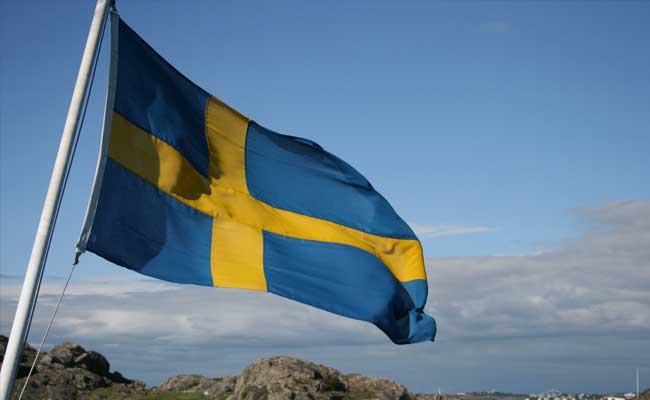
Sweden’s parliament passed a law on Monday allowing authorities to revoke immigrants’ residency permits based on bad behaviour, such as having unpaid debts, doing undeclared work or links to extremist organisations.
The law, which covers pending permits but also retroactively already granted permits, is part of a wider tightening of immigration rules by the right-wing government and its support party, the nationalist Sweden Democrats, ahead of a parliamentary election in September.
The law has been criticised by the opposition and human rights advocacy groups as arbitrary because decisions would be taken on behaviour that has not been deemed criminal.
“The good behaviour law leaves people in uncertainty about what actions or expressions can be used against them,” Stockholm-based group Civil Rights Defenders said in a statement.
“It undermines the rule of law and the principle of equality before the law.”
The government, which won the 2022 election on a promise to reduce immigration and crack down on crime, has said that people who misbehave or commit crimes are not welcome.
The law does not specify what types of behaviours are deemed unacceptable but the government has mentioned unpaid debts, not paying taxes, criminality and links to extremist organisations. The Migration Agency is tasked with reviewing the permits and the decisions can be appealed to a migration court.
“Anyone who doesn’t make the effort to do the right thing shouldn’t be able to count on staying,” Minister of Migration Johan Forssell said when he proposed the bill in March.
(Except for the headline, this story has not been edited by NDTV staff and is published from a syndicated feed.)