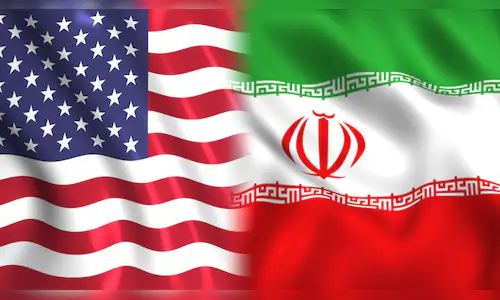
Even as Iran and the US sign a deal to end the war, the conflict may have triggered changes that could reshape global energy, trade and economic decis…
 1/7
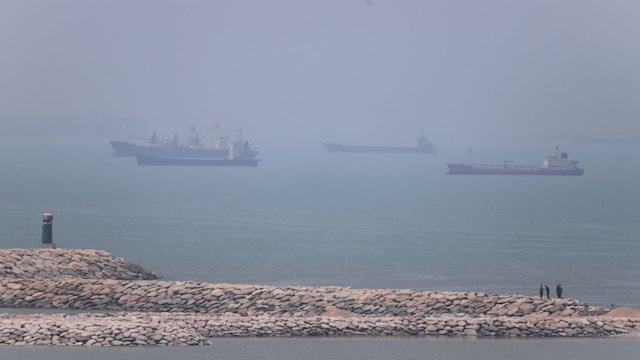
1/7The US-Iran war disrupted oil shipments, rattled markets, and brought traffic through the Strait of Hormuz to a near standstill. Its deepest impact, however, may be less visible. The conflict not only disrupted a global system but also exposed vulnerabilities that could influence policy and business decisions long after the fighting ends. Here are six ways the war could reshape the world. (Image: Reuters)
 2/7
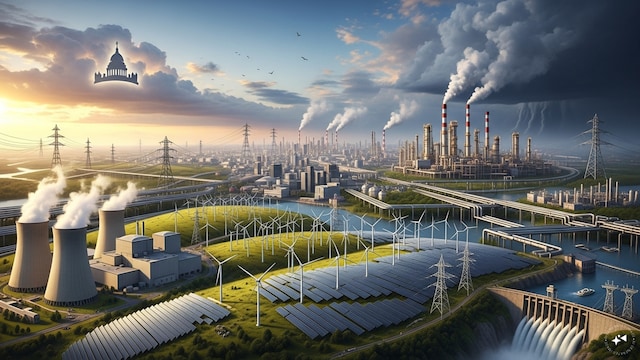
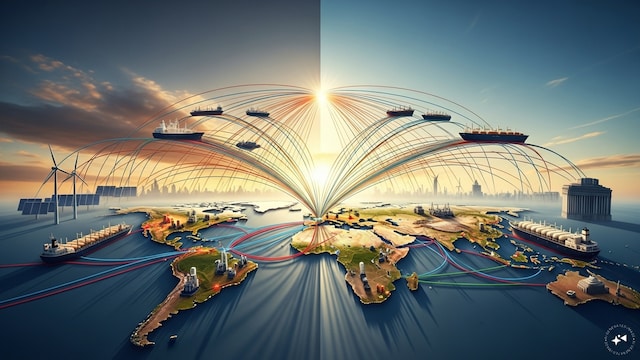
2/71. Energy security may become a bigger national priority | The war disrupted oil shipments and showed how a crisis can quickly affect fuel supplies and economic growth. Countries may now focus more on securing energy sources and reducing risks by accelerating investments in strategic petroleum reserves, LNG infrastructure, nuclear power, renewables and domestic energy production.
 3/7
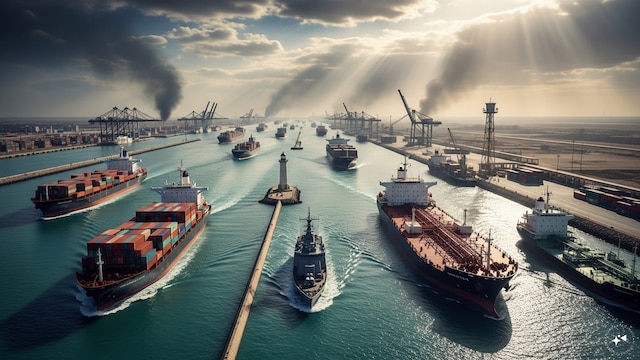
3/72. Countries may rethink their energy dependence | Before the war, nearly one-fifth of the world’s oil consumption passed through the Strait of Hormuz. The conflict highlighted the risks of relying heavily on one region. Countries may now look for more suppliers and safer trade routes. New trade partnerships and export routes could emerge as nations try to spread risk across multiple regions.
 4/7
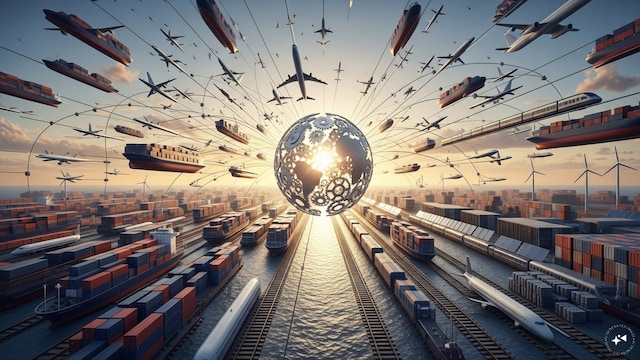
4/73. Shipping routes may gain strategic importance | The conflict showed that disruption at a major maritime chokepoint can impact global trade. Tanker movements slowed, insurance costs increased, and supply chains came under pressure. The security of key shipping routes may become more important as countries may now focus on protecting sea lanes, ports and trade corridors.
 5/7
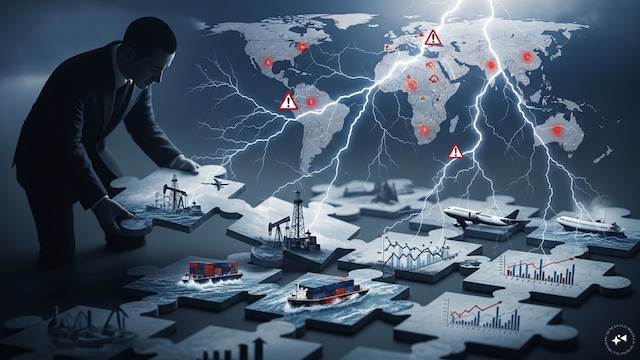
5/74. Globalisation may shift from speed to stability | For years, supply chains focused on lower costs and faster movement. The war showed the risks of systems with limited backup options. Companies may build more reserves and alternative supply networks. Reliability and resilience could increasingly take priority alongside efficiency.
 6/7
6/75. Geopolitical tensions may affect economies faster | The conflict impacted oil prices, freight costs, aviation routes and inflation expectations beyond the region. Countries may increasingly connect foreign policy, security and economic planning.
 7/7
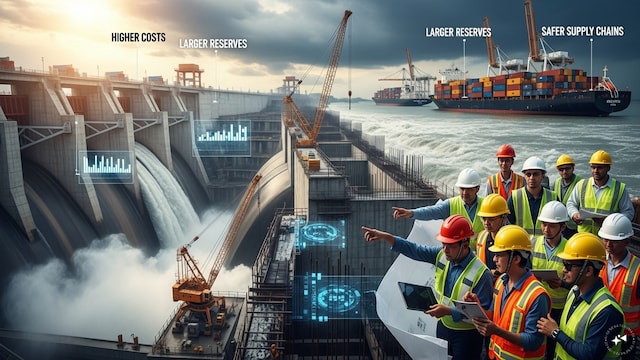
7/76. Resilience may come at a higher cost | Building stronger infrastructure, larger reserves and safer supply chains requires more spending. Countries and businesses may accept higher costs for greater protection against future shocks.