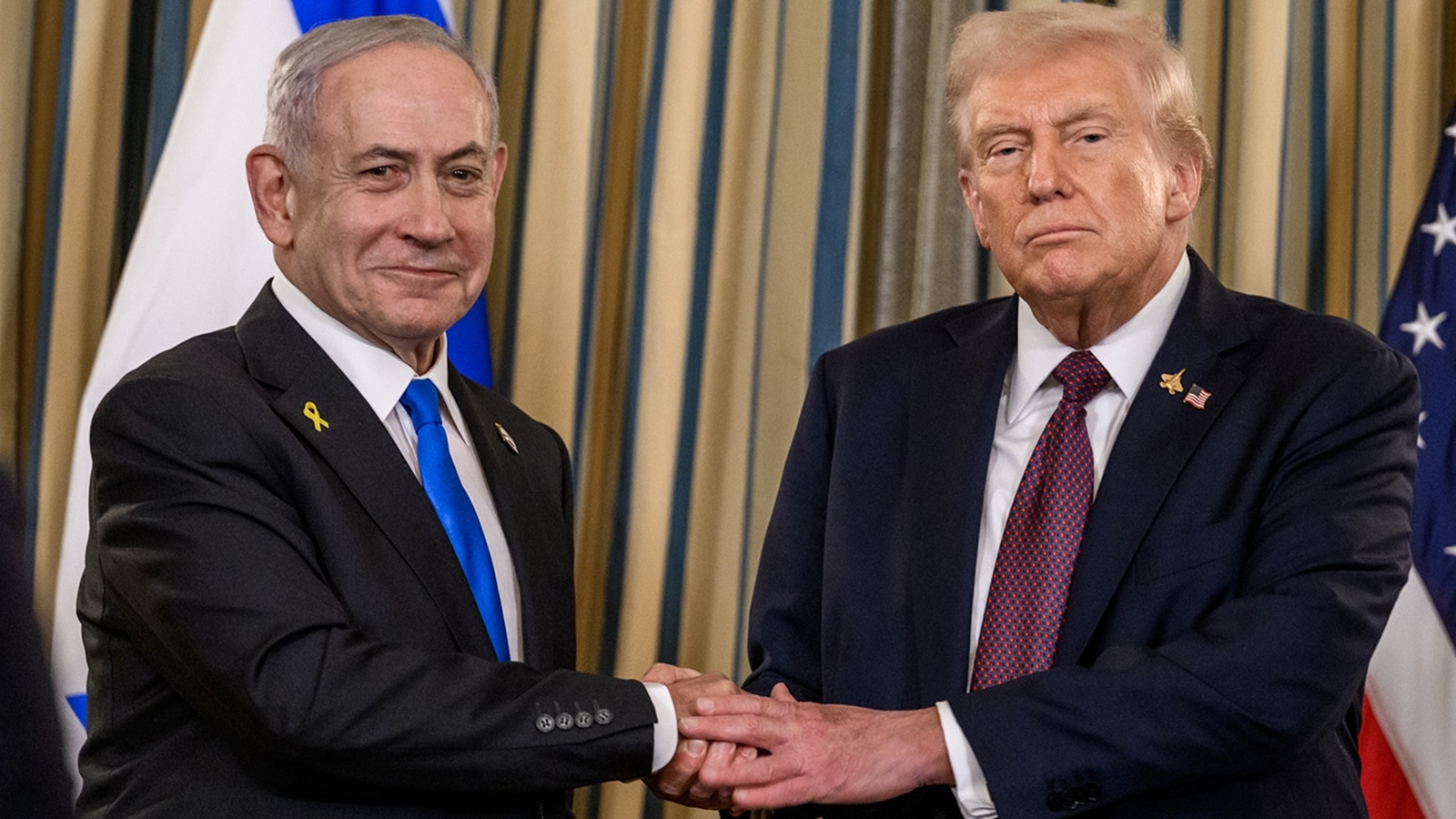
Israeli Prime Minister Benjamin Netanyahu was caught off guard by US President Donald Trump’s decision to call off planned military strikes on Iran and instead pursue a diplomatic understanding with Tehran, Axios reported, revealing what appears to be a growing divide between Washington and Tel Aviv over how the conflict should end.
Axios reported that Netanyahu was left “surprised” by Trump’s announcement that he had cancelled the attacks after receiving indications that Iran’s leadership had approved a draft framework aimed at ending the war. The report further claimed the Israeli leader had not been fully briefed on the state of the US-Iran negotiations and had been seeking information about the talks through allies close to the Trump administration.
A halt in the wars engulfing the Middle East may be closer than ever, as Washington and Tehran prepare to sign a memorandum of understanding, one that could reshape the region. But as the two sides inch toward a deal, Netanyahu’s absence from the negotiation table has raised eyebrows.
Kept in the dark
According to Axios, the Israeli leader had been calling allies close to the Trump administration in recent days simply to gather information, receiving only third-hand updates on a deal that directly affects his country’s security interests.
When Trump announced he had called off planned strikes on Iran after discussions had been “approved by the highest level of Iranian leadership,” the Israeli Prime Minister’s Office was quick to clarify that Tel Aviv “is not a party to the memorandum of understanding” between Washington and Tehran.
A deal is being written around Israel
The tentative agreement, mediated jointly by Qatar and Pakistan and set to be called the Islamabad Agreement, was released on Wednesday night after hours of negotiations between Qatari mediator Ali Al-Thawadi and Iranian Foreign Minister Abbas Araghchi. Trump’s envoys Steve Witkoff and Jared Kushner joined by phone. Netanyahu did not.
Under the MOU, the Strait of Hormuz would reopen immediately without tolls, with shipping volumes returning to pre-war levels within 30 days. Iran would receive temporary sanctions waivers, with further relief tied to compliance. The agreement also extends the ceasefire — including in Lebanon – for 60 days, during which nuclear negotiations would take place.
Story continues below this ad
If a second, more detailed accord follows, it would address Iran’s enriched uranium stockpile. Netanyahu, meanwhile, has insisted publicly that any final deal must include the removal of enriched nuclear material, the dismantling of enrichment infrastructure, limits on missile production, and an end to Iranian support for its regional proxies.
Whether those conditions will be met remains deeply uncertain.
When allies diverge
The tensions between Washington and Tel Aviv come from very different ideas about how this war should end. Trump has been seeking a quick settlement – a Venezuela-style win – partly because of growing pressure at home over rising oil prices and the approaching November midterm elections. Netanyahu, facing elections in Israel, has instead pushed for a much broader goal: breaking Iran and its network of allies, including Hezbollah, even if that means a longer war.
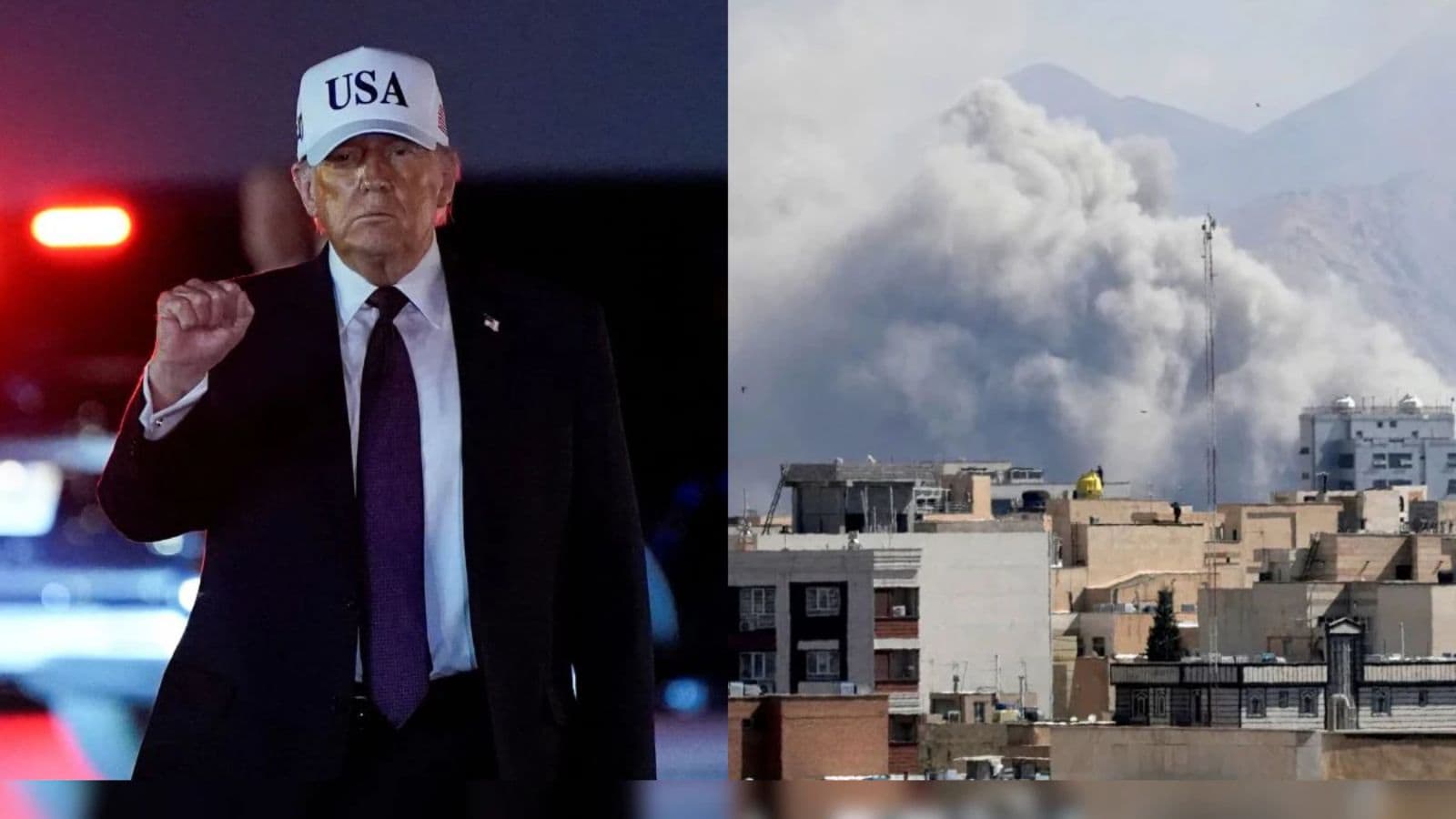
For weeks, Iran faced heavy bombardment while restricting traffic through the Strait of Hormuz, a vital route for global trade. The disruption pushed up inflation and fuelled public frustration in the United States, adding to pressure on Trump to bring the conflict to an end.
In Israel, the frustration was different. More than two years after Hamas’s October 7, 2023, attack, Hamas still controls parts of Gaza, Hezbollah continues to fire rockets from Lebanon, and Iran’s nuclear programme remains intact. A recent poll by the Institute for National Security Studies found that most Israelis believe the country has not met its war goals. Only 37 per cent said they were satisfied with the results so far.
Story continues below this ad
Is the relationship under strain?
Trump’s frustration with Netanyahu has spilled into public view in ways that would have been hard to imagine just months ago. During a phone call last week, Trump reportedly berated Netanyahu over Israel’s escalation in Lebanon. On a New York Post podcast, Trump said he had called Netanyahu “fucking crazy” and accused him of being ungrateful.
“You’d be in prison if it weren’t for me. I’m saving your ass. Everybody hates you now,” Trump reportedly told him.
The outburst came after Netanyahu ordered strikes on Iran even though Trump had asked him to stand down, forcing the US president to publicly call on social media for both sides to “immediately stop shooting.”
Throughout his political career, Netanyahu has shown a willingness to defy Washington when domestic pressure demands it. In his second term, Trump has gone further than any of his predecessors in backing the Israeli leader – speaking out against his corruption charges, lifting sanctions on settler activity, and approving arms transfers despite Democratic opposition. But Netanyahu’s refusal to back Trump’s preferred exit strategy is now straining that support in ways that may be hard to reverse.
Story continues below this ad
(Written by Nityanjali Bulsu, who is an intern at The Indian Express)