New Delhi:
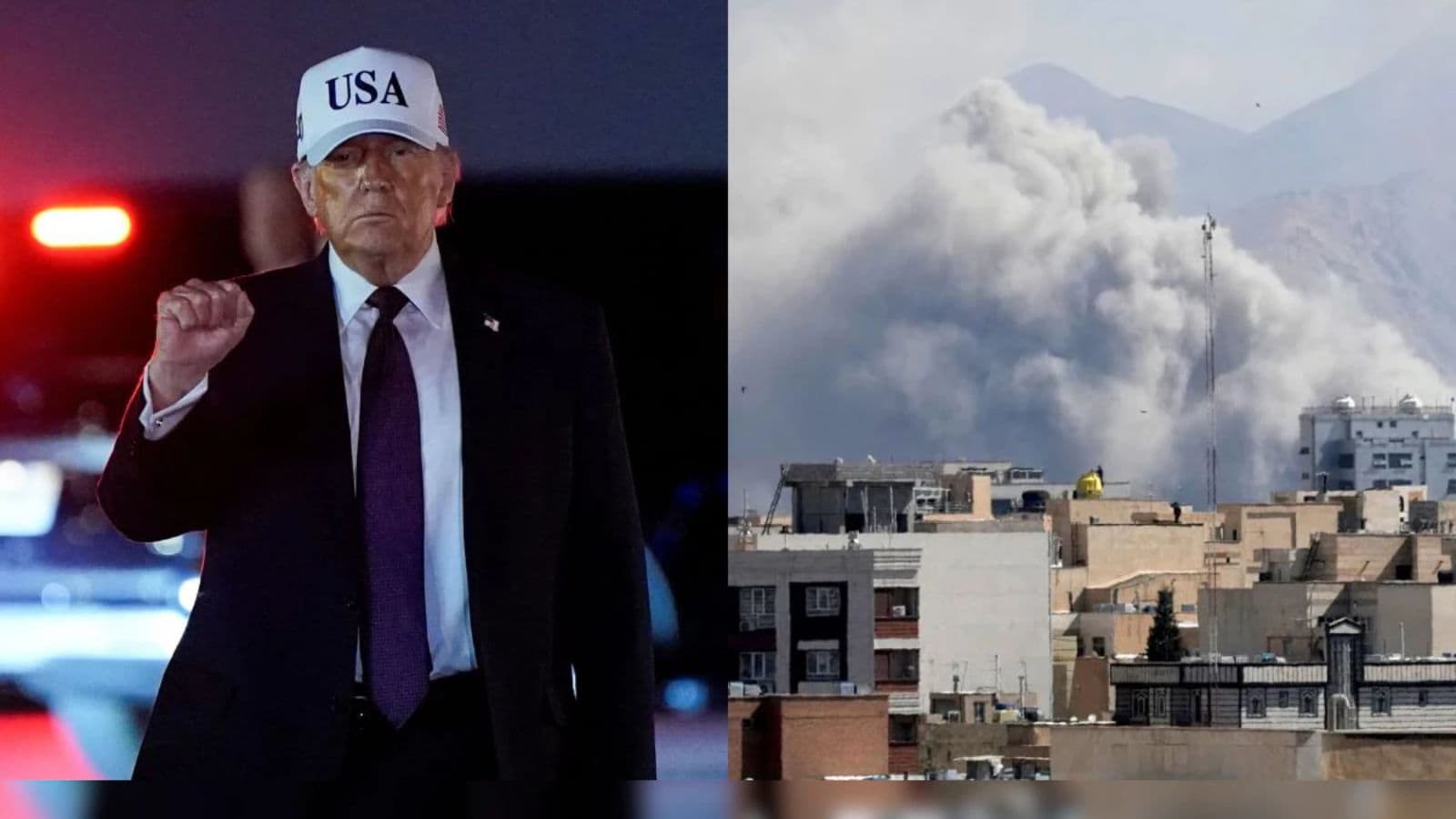
US President Donald Trump said in January that “help is on its way” for Iranians as anti-government protests were taking place in the country. Six weeks later, the US launched military action against Iran, with Trump arguing that the operation could give Iranians a chance to overthrow their government and build a better future.
But a key question remained unanswered: Did ordinary Iranians actually want US intervention?
Trump said that his comments were based on the assumption that the Iranian people would view US military action as support. But the idea that US forces would be welcomed as “liberators” is not new. In 2003, then-Vice President Dick Cheney said American troops would be “greeted as liberators” in Iraq.
Similar claims have been made in other situations, where US leaders suggested that people in countries or territories, like Venezuela, Greenland and Canada, might support major political change backed by the US, Foreign Affairs magazine reported.
US leaders often give wars strategic reasons, such as defending the country, protecting allies, or stopping threats like nuclear weapons. But at the same time, they also sometimes claim that local people want the intervention.
Studies also show that Americans are more likely to support foreign intervention if they believe people in that country want it. The researchers also pointed to the 1999 NATO intervention in Kosovo as an example, the report added.
At the time, many Kosovo Albanians openly supported NATO’s military action against Serbia. Public support in the US was also relatively strong, with 60 percent of Americans backing the campaign and 70 percent saying protecting civilians was an important reason for the intervention.
But if governments claim that people in another country support intervention and those claims later prove false, public support at home can decline.