4 min readJun 4, 2026 01:54 PM IST
Israel and Lebanon have agreed to renew their fragile ceasefire after days of bombardment and drone strikes. This is a hope for the West Asia as the ceasefire, albeit fragile, hangs in the balance. One of the key conditions of the ceasefire is the creation of ‘pilot security zones’ inside Lebanon.
So, what is a ‘pilot security zone’? These are specific localised sectors where non-state armed groups are required to withdraw and exclusive control is given to recognised national militaries. The policy of ‘pilot zones’ aims to dismantle non-state armed groups and prevent their re-emergence in the region.
The Israel-Lebanon ceasefire agreement
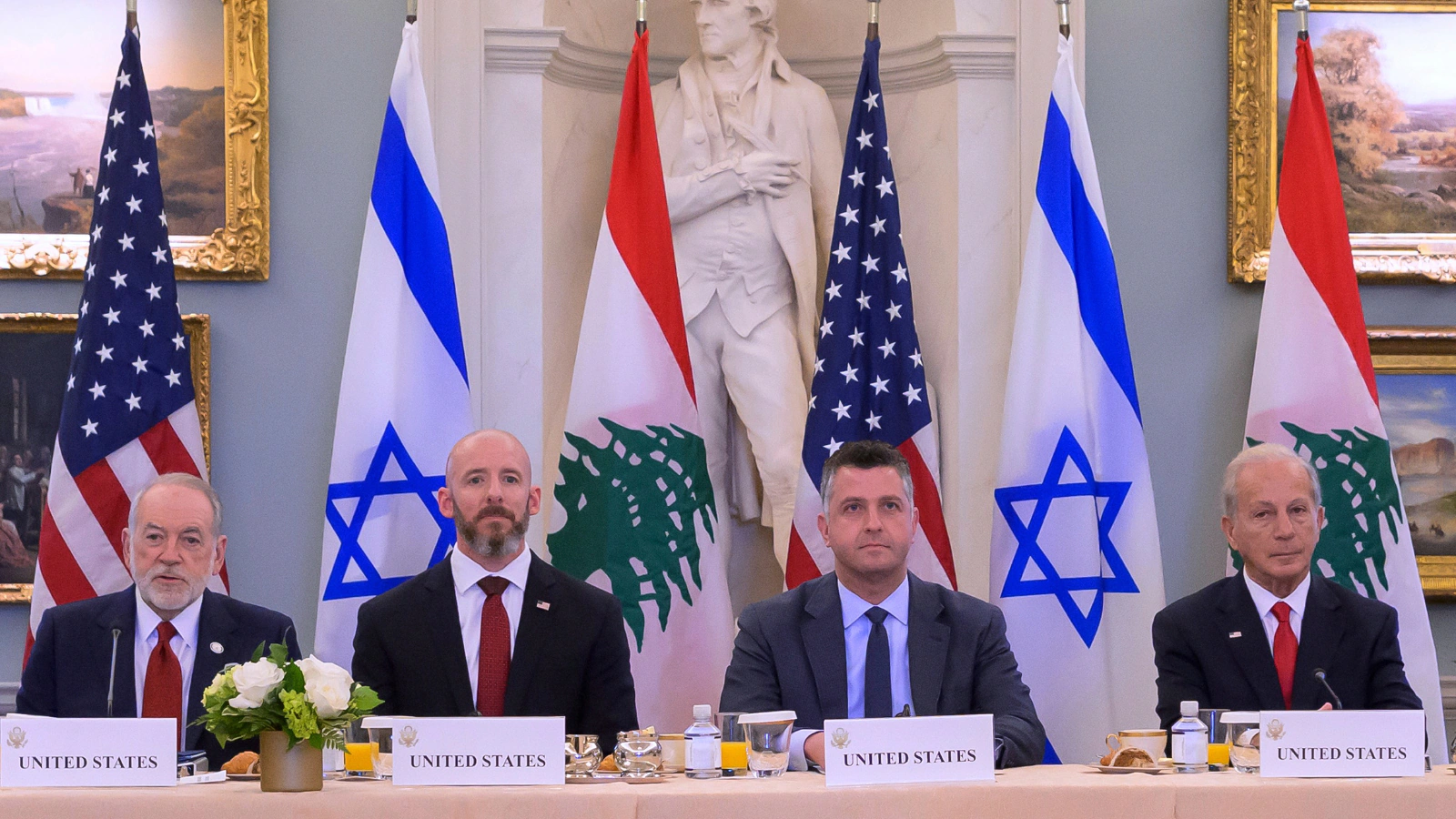
After the fourth round of US-mediated talks at the State department, Lebanon and Israel said in a joint statement released by the US state department that the ceasefire “is contingent on a complete cessation of the Hezbollah fire and the evacuation of all Hezbollah operatives” from South of the Litani River areas.
In this deal, the two parties agreed to “swiftly advance the creation of pilot zones in which the Lebanese Armed Forces will take exclusive control of the territory to the exclusion of all non-state actors”.
Why is Hezbollah involved?
Hezbollah, which means “Party of God”, is the Iran-backed Shiite militia that was considered to be the most powerful non-state armed group in West Asia. In 2024, Israel military campaign against Hezbollah leading to 40 deaths and over 3000 injuries, weakened the militia. However, it has participated in the war between the United States and Israel against Iran and Lebanon.
It controls a large part of Lebanon’s Shiite-majority areas and is based in the country although its manifesto states that its operations are not limited to the Lebanon border.
 Hezbollah is the largest non-state actor in West Asia. (Reuters)
In February 2026, United States and Israel began a military campaign against Iran and Hezbollah launched air strikes from Lebanon on March 2, in retaliation for killing Iranian Supreme Leader Khamenei. Israel responded by targeting Hezbollah in what they called, “a broad wave of strikes” in Lebanon. After several weeks, Israel agreed on a temporary ceasefire on April 16.
The attacks continued between Israel and Hezbollah.
Story continues below this ad
Ceasefire after Israeli drone attack in Lebanon’s Nabatieh and Tyre
The ceasefire agreement comes after Israeli forces carried out a drone attack on Kfar Reman in the Nabatieh district and Tyre district.
While Hezbollah has not been a part of the Israel-Lebanon talks behind held since the beginning of last month, their involvement in the matter has been discussed. Their withdrawal from pilot zones is a must under the agreement.
The agreement between Lebanon and Israel ceasefire is “contingent on a complete cessation” of attacks by Hezbollah. The joint statement did not mention if or when Israel troops would withdraw. It occupied 608 sq km of land along the Lebanese-Israel border.
The US has said its “intent to support the Lebanese Armed Forces, with the aim of improving their capacity and enabling the effective
exercise of sovereignty”, the statement added.
Story continues below this ad
Lebanon and Israel will meet again on June 22 to hold forward talks.
Prior to the temporary ceasefire announced on April 16, Pakistan, after hosting direct talks between senior US and Iranian officials had said that Lebanon was included in the US-Iran truce announced on April 8, however US and Israel denied the inclusion saying that due to Hezbollah, Lebanon was not included in the truce.
Since then, Pakistan has reiterated its support for a truce in Lebanon, and Iran has asked Pakistan to continue playing a diplomatic role in reducing regional tensions and supporting a ceasefire.
Stay updated with the latest – Click here to follow us on Instagram