Even as a 60-day window for formal negotiations with the United States formally opened following the signing of the Iran-US memorandum of understanding, Tehran moved swiftly on Thursday to draw a hard line: its ballistic missile programme would not be on the table under any circumstances, with any party.
What Iran’s Foreign Ministry said
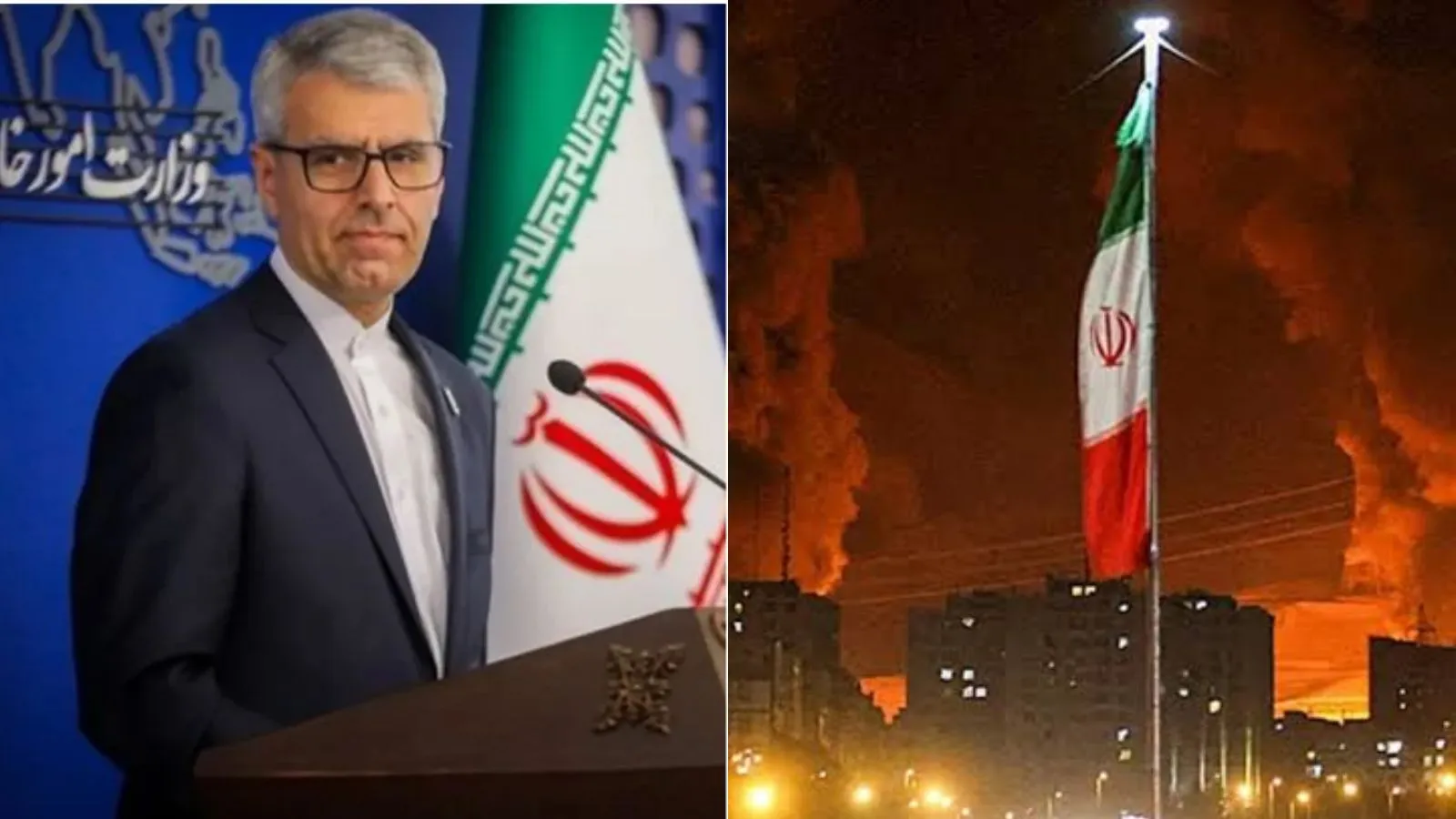
Iranian Foreign Ministry spokesman Esmail Baghaei declared that Tehran’s defensive capabilities would not be part of any future negotiations, saying its missiles were “meant to be fired, not negotiated over” and that they did not “even like being talked about.”

Our missiles don’t like anyone talking about them! Our missiles are merely for launching not for negotiating! Therefore, Iran’s defensive capability is not negotiable in any process with any party. pic.twitter.com/RxZ1HXMnG9
— Iran In Hyderabad (@IraninHyderabad) June 18, 2026
Baghaei said Iran’s missile programme and overall defence capabilities would not be discussed “in any process, with any party,” even as the two sides begin the 60-day negotiation process under the newly signed MoU.
The statement was not a departure from Tehran’s long-held position. As far back as January 2026, Foreign Minister Abbas Araghchi had said Iran’s defensive and missile capabilities “will never be the subject of any negotiations,” a position he reiterated in subsequent rounds of diplomacy.
Iran also rejects transferring enriched uranium abroad
Baghaei used the same briefing to close off another avenue that Washington has sought to pursue. He rejected any proposal to transfer Iran’s enriched nuclear material outside the country, calling it “unacceptable.” While acknowledging that diluting enriched uranium had been presented as one possible option, he said it was only intended to keep diplomatic avenues open.
Baghaei also confirmed that the memorandum had been signed in both Persian and English to avoid any future disputes over interpretation.
Story continues below this ad
Why this matters for the 60-day talks
The missile question has been a central fault line between Washington and Tehran throughout the war. Secretary of State Marco Rubio had previously insisted that limits on Iran’s ballistic missiles must form part of any agreement. “At the end of the day, in order for talks to actually lead to something meaningful, they will have to include certain things and that includes the range of their ballistic missiles,” Rubio said in February.
Vice President JD Vance signalled some flexibility on the issue this week, backing away from earlier administration pledges to destroy Iran’s ballistic weapons capacity entirely. “You can’t tell a country, whether Israel or Iran, they’re not allowed to have any self-defence,” he said at a White House press conference on 18 June. Iran’s statement on Thursday makes clear it intends to hold Vance to that framing.
The MoU as published does not address Iran’s ballistic weapons programme, leaving it as an unresolved matter for the negotiations now underway. Iran’s position suggests it intends to keep it that way.