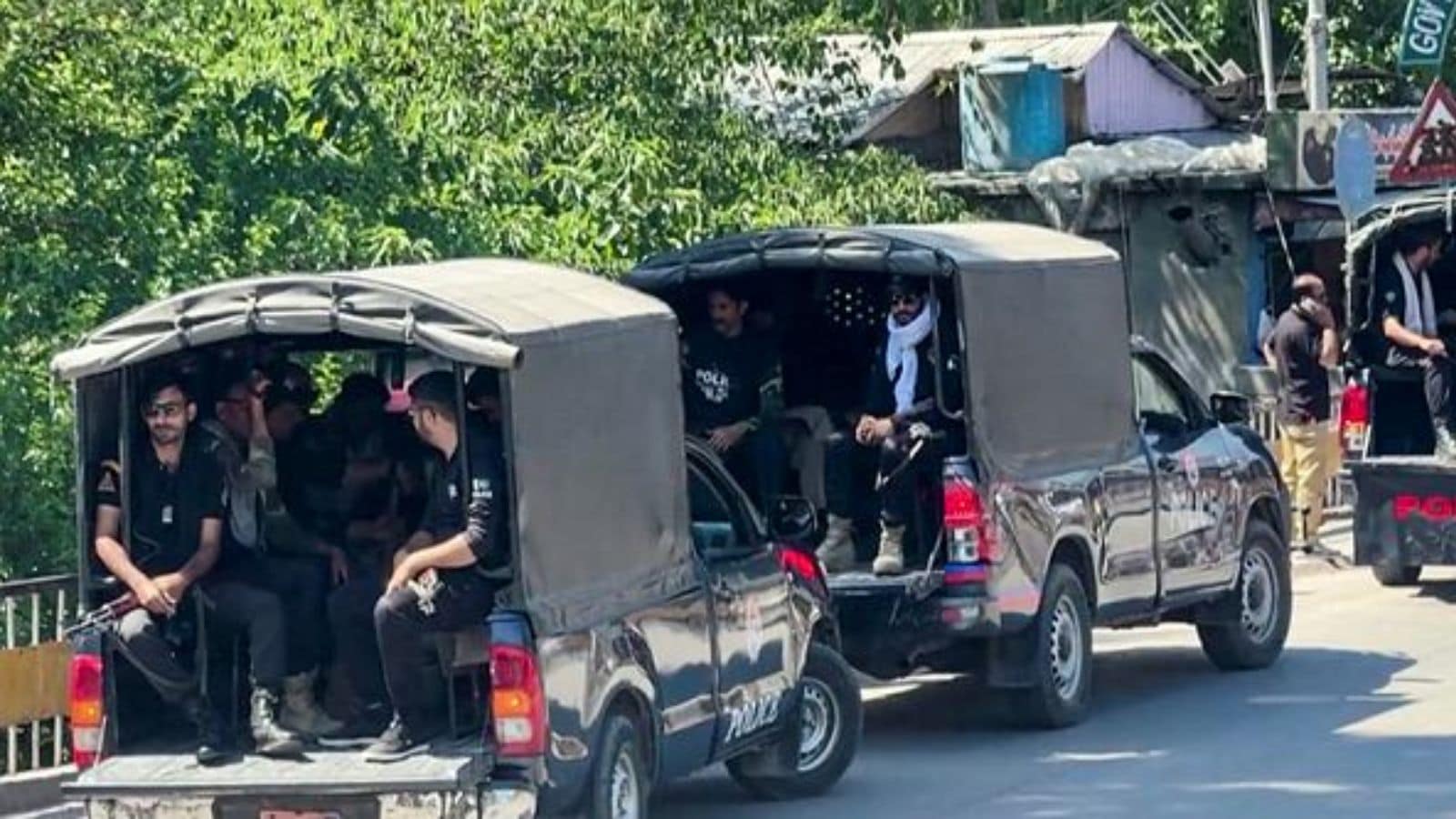
Violent clashes in Pakistan-occupied Jammu and Kashmir (PoJK) have left at least 20 people dead and several others injured, according to news agency PTI, marking the latest escalation in a movement that has been gathering momentum for more than a year. The unrest, led by the Joint Awami Action Committee (JAAC), reflects growing anger over economic hardship, political disenfranchisement and what activists describe as increasing restrictions on civil liberties.
According to news agency Reuters, the violence erupted ahead of a planned protest by JAAC, a coalition of traders, civil society groups and political activists that has spearheaded demonstrations against rising electricity prices, taxation policies and governance issues in the region.
The unrest highlights how a movement that began over rising utility costs has evolved into a broader challenge to governance and political representation in PoJK.
What triggered the latest protests?
The latest round of demonstrations follows months of tensions between activists and authorities. Reuters reported that JAAC leaders had called for protests against what they described as state repression and the arrest of activists associated with the movement.
The committee first gained prominence in 2024 when large-scale demonstrations forced authorities to announce relief measures, including subsidies on electricity and flour. Protest leaders, however, argue that many promises remain unfulfilled and that broader concerns over political representation and governance have not been addressed.
The deaths during recent clashes have further intensified public anger, with protesters accusing authorities of using excessive force. Pakistani officials have maintained that security measures were necessary to maintain law and order.
India urges global community to hold Pakistan accountable
India on Tuesday came down hard on Islamabad for its “brutality” in Pakistan-Occupied-Kashmir and called on the international community to hold that country accountable for its “abuses”.
Story continues below this ad
India’s reaction came as over 20 people were reportedly killed in police action on protesters in several parts of PoK.
External Affairs Ministry spokesperson Randhir Jaiswal, slamming Pakistan, said there have been “desperate” attempts by Islamabad to cover up its “failings” and deflect attention away from its alleged human rights abuses.
“We continue to see in this context, a pattern of fake news and videos emanating from Pakistan. It is a desperate attempt by Pakistan to cover up its own failings and deflect attention away from its human rights abuses,” he said.
“There are reports of severe police brutality in Pakistan-occupied Kashmir in which several protestors have been killed and many injured. We hope the international community will hold Pakistan accountable for its misdeeds and abuses,” Jaiswal added.
Story continues below this ad
He was responding to a question at a media briefing.
Allegations of crackdown and communication restrictions
Adding to the controversy, Jammu and Kashmir-based human rights activist Tasleema Akhter alleged that Pakistan’s security forces had used force against civilians and imposed internet restrictions to curb the flow of information from the region, news agency ANI reported.
“The people of PoJK are asking for their fundamental rights, yet they are being met with repression,” Akhter said. She also claimed that internet services had been suspended and that journalists and activists faced restrictions, allegations that could not be independently verified.
Akhter said residents were demanding basic services, economic relief and democratic rights, arguing that attempts to suppress information would not prevent international scrutiny of developments in the region.
Story continues below this ad
Over 50 British MPs raise concern
The unrest has also drawn attention abroad. More than 50 British parliamentarians have written to UK Home Secretary Yvette Cooper expressing concern over reports of communications blackouts, arrests and escalating tensions in PoJK.
The letter, led by Bradford East MP Imran Hussain, chair of the All-Party Parliamentary Group on Kashmir, cited reports of internet and mobile service disruptions and the detention of activists. The parliamentarians said they had received complaints from British Kashmiris who were unable to contact relatives in the region.
They urged the UK government to use diplomatic channels to encourage de-escalation, restore communications and support dialogue between authorities and protest representatives.
A movement that extends beyond economic demands
While rising electricity costs and inflation initially drove the protests, analysts say the movement has evolved into a broader expression of dissatisfaction with governance and political rights in PoJK. Protest leaders have increasingly framed their demands around accountability, transparency and greater public participation in decision-making.
Story continues below this ad
The latest deaths have become a rallying point for demonstrators, with protests and solidarity events reported not only within PoJK but also among Kashmiri diaspora communities abroad.
(With inputs from agencies)