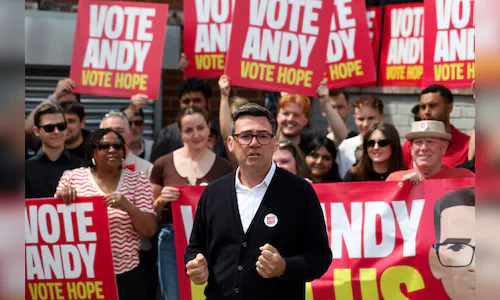
Burnham’s emphatic victory in the Makerfield by-election has positioned him as one of the most prominent alternatives to Prime Minister Keir Starmer and reignited discussion about the future direction of Labour economic policy.
At the centre of the debate is taxation.
Burnham has not proposed a formal wealth tax. However, he has argued that land in Britain is “undertaxed,” called for reform of council tax and suggested that the tax burden should shift away from income from work towards wealth and assets.
For many affluent households, that is enough to raise questions about what a future Burnham-led Labour Party might look like.
The concern comes at a time when Britain’s fiscal position remains under pressure. Public debt is elevated, economic growth has been sluggish and governments face rising demands on healthcare, pensions and public services. Economists across the political spectrum have increasingly debated whether wealth, rather than income, should bear a larger share of the tax burden.
Those discussions have already unsettled some wealthy residents.
According to a recent survey by BDO, two-thirds of Britain’s ultra-wealthy have considered leaving the country for tax reasons over the past year. Interestingly, respondents cited policy instability and uncertainty more often than low tax rates as the main reason for considering relocation.
Supporters of wealth taxes argue that rising asset values have enriched owners of property and financial assets far more than wage earners, making wealth taxation a fairer way to raise revenue.
Critics counter that such taxes risk encouraging capital flight, discouraging investment and making the UK less attractive to entrepreneurs and business owners.
The debate has become more prominent as Labour grapples with how to finance public spending without breaching fiscal rules or raising headline income-tax rates.
For now, fears of an imminent wealth tax may be premature. Burnham has not announced any such proposal, and there is no evidence that financial markets are currently pricing in a wealth-tax regime or reacting negatively to his political rise.
But with Burnham’s influence growing and Britain’s public finances under strain, the conversation around taxing wealth is likely to become louder.
That is why wealthy families, investors and advisers are paying attention—not because a wealth tax is imminent, but because the political probability of such ideas being discussed appears higher than it did a few months ago.
Keywords: Andy Burnham, UK wealth tax, Labour Party, Keir Starmer, UK taxes, wealth tax debate, British millionaires, capital flight, UK public finances, property tax, inheritance tax, UK politics, wealthy investors, Labour leadership.