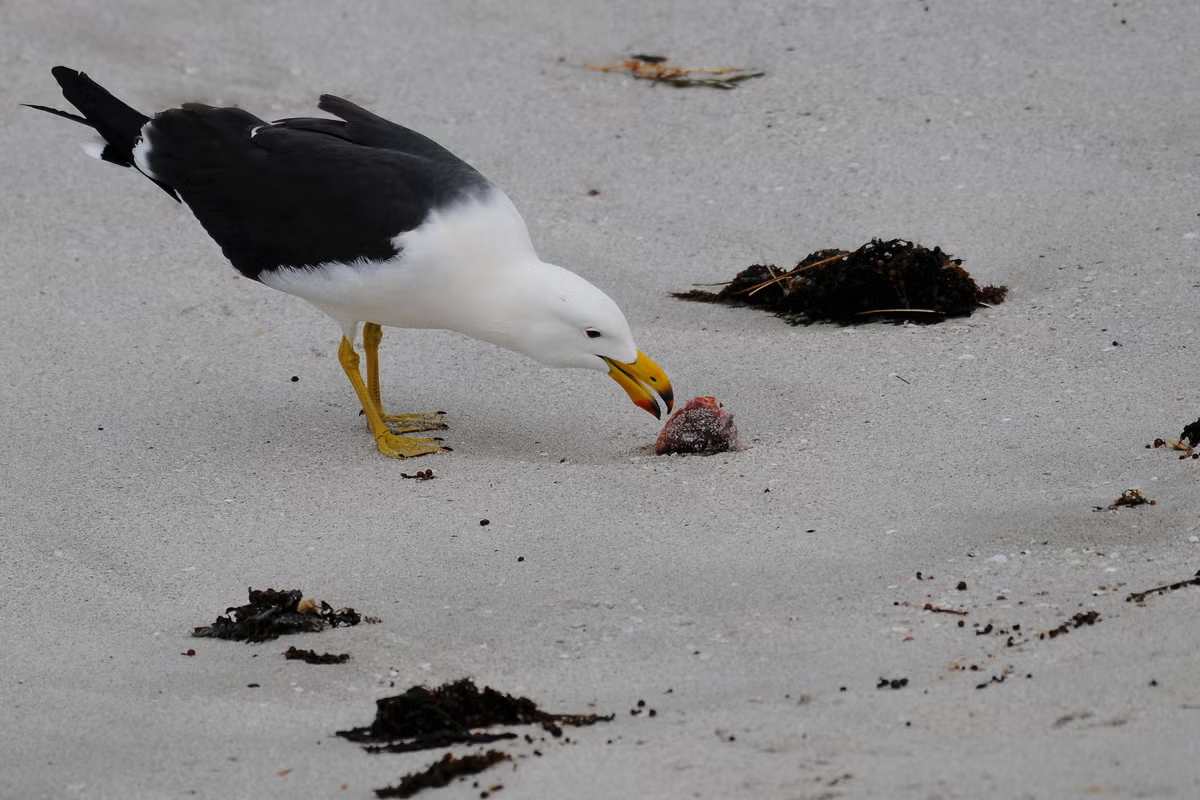
Australia has confirmed the first local case of a seabird infected with the deadly H5N1 flu virus on Friday, weeks after the country reported detecting the virus on its shores.
The country’s national science agency confirmed the H5N1 case in a greater crested tern found in the South Australian coastal town of Robe, agriculture minister Julie Collins said.
Two more bird flu infections have been reported in South Australia, and one in Western Australia on Friday, increasing the tally of confirmed or presumed detections of H5N1 in the country to 12, the government said in an update.
The latest discovery is the first confirmed infection in a native Australian seabird, with the previous cases found in migratory seabirds.
“There is no evidence of any mass mortality. There is no evidence of infection in poultry or the wider agriculture industry. The risk to human health remains low,” the government said.
“Australia is well prepared to respond quickly,” it said.
The first detections of the deadly H5N1 strain in Australia were made last month.
This highly contagious strain has been circulating globally, and the viral disease mainly affects birds, but can infect humans and other animals.
Animals with the flu can become very ill and die shortly afterwards, and there are currently no available treatments for wildlife.
If the bird flu strain becomes established in wildlife, it may not be possible to eradicate it, and it could become endemic, experts warn.
The government has urged poultry producers and domestic bird owners to take measures to protect their birds against the flu.
“If you see sick or dead birds or other animals, do not touch them. The community is encouraged to report any dead or sick birds or animals showing signs of bird flu,” the Australian government said.
The virus spreads via body fluids, droppings and feathers of infected birds and may survive in the environment for months, scientists warn.
Infected birds can’t stand, walk, or fly properly; they may have a droopy or puffed-up appearance along with breathing problems, and an unusual head or neck posture followed by sudden death, especially in large numbers, the Anthony Albanese government said.
While the above are symptoms, bird flu can “only be confirmed through laboratory testing,” the government said, urging people to help a veterinarian or animal health officer collect samples.
“Our scientists are undertaking further work to establish the potential pathway that resulted in the Australian sea bird’s infection,” Ms Collins said.
“What we do know is that this is a coastal seabird that has been overlapping the coastal range with migratory seabirds that have previously tested positive for H5,” the agriculture minister said, according to Reuters.