Across South America, a new wave of right-wing politics is reshaping elections. From Peru to Bolivia, several countries are embracing nationalist rhet…
 1/7
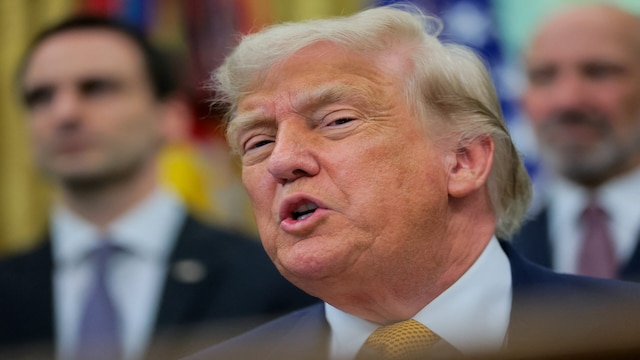
1/7Across South America, the political language is changing as candidates increasingly adopt Donald Trump’s playbook. This “new right” is gaining momentum by campaigning on nationalist rhetoric, tighter immigration controls, and tougher policing – themes that echo the political style of the US president. (Image: Reuters)
 2/7
2/7Peru is the latest nation to swing right with the victory of Keiko Fujimori. Her win adds a new conservative administration to the region, utilising a political language that echoes Donald Trump’s playbook to appeal to voters who are increasingly rejecting left-wing incumbents.
 3/7
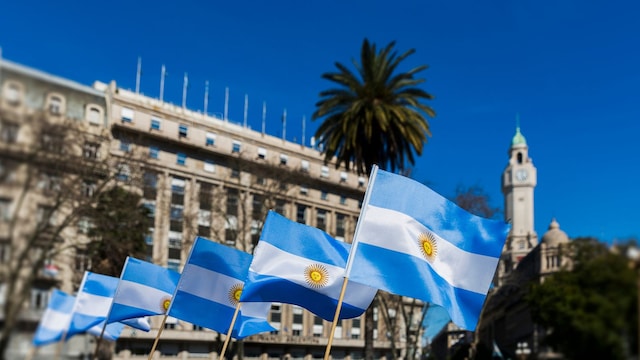
3/7Once a heart of the “Pink Tide,” Argentina is now governed by a conservative, centre-right, or libertarian leader. The shift in this major economy is defined by a move toward nationalist rhetoric and tough-on-crime stances popularised by Trump, as voters rebel against slowed economic growth and corruption scandals.
 4/7
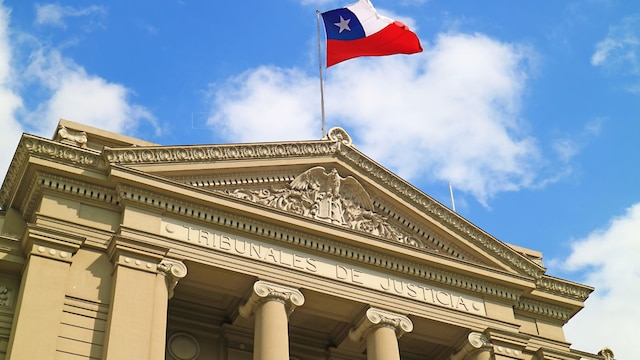
4/7In Chile, the “new right” is redrawing the political map. Candidates in the country have increasingly adopted Trump-style themes, focusing on tighter immigration controls and policing to address public anger over weak services and regional instability.
 5/7
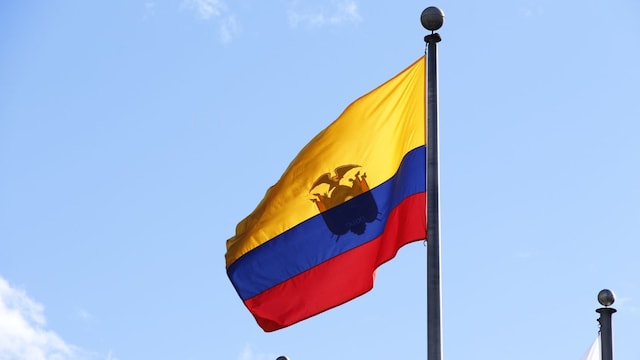
5/7Ecuador has moved into the conservative column as its leaders look to Trump’s playbook for solutions to the region’s high homicide rate. By focusing on tougher policing and nationalist themes, the government seeks to address the fact that while Latin America has only 8% of the world’s population, it accounts for a third of global homicides.
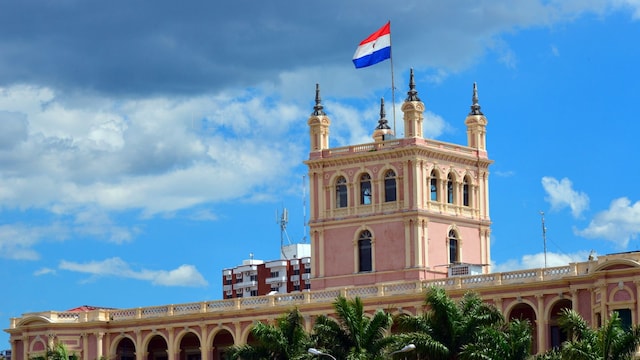 6/7
6/7Paraguay remains a stronghold for the right, with its leadership embracing the nationalist rhetoric that has become a hallmark of the region’s Trump era. The government’s focus on security and immigration mirrors the broader regional trend of adopting Trump’s specific political language to maintain power.
 7/7
7/7In Bolivia, the rise of a right-leaning government marks a significant departure from the previous decade. This shift is fueled by voter frustration with corruption and strained politics, leading to the adoption of Trump-inspired strategies that emphasise nationalist interests over the previous left-wing ideologies.