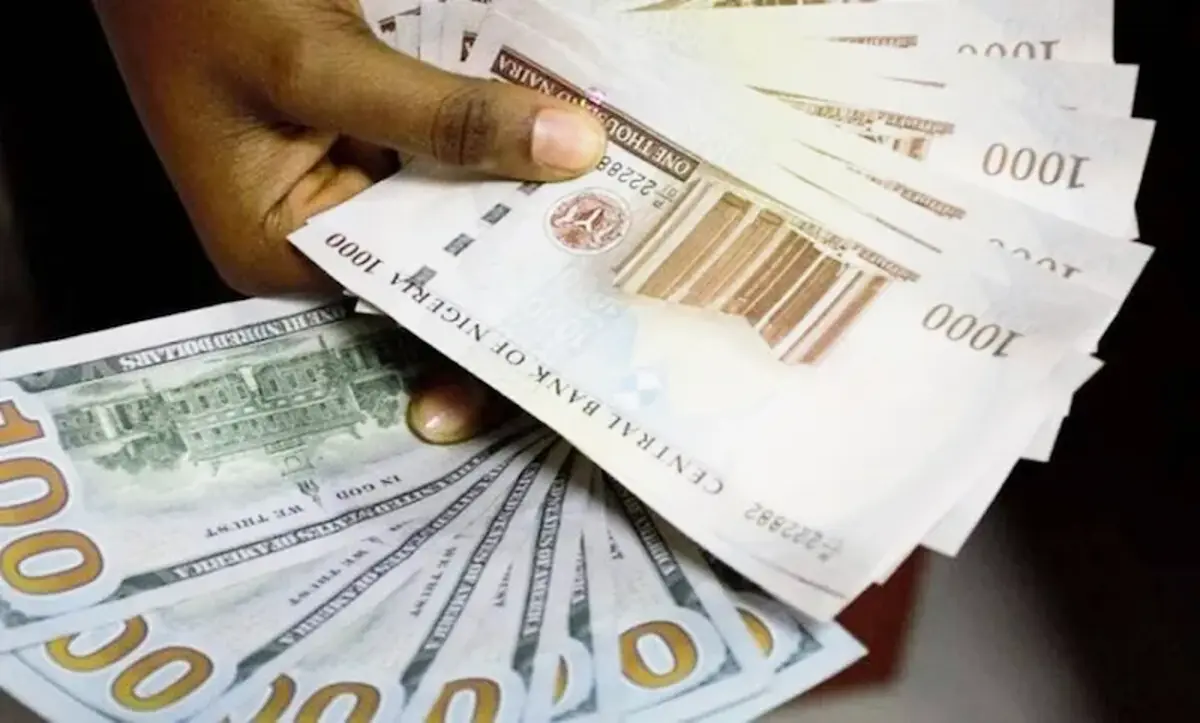
The Nigerian naira traded at ₦1,381.68 against the United States dollar at the Nigerian Foreign Exchange Market (NFEM) on Wednesday, July 22, 2026, as the country’s foreign exchange market continued to record relatively stable movements.
The latest official data showed the local currency maintaining a narrow trading range despite sustained demand for foreign exchange.
At the opening of trading, the official market quoted the naira at ₦1,381.68 per dollar, a rate closely watched by importers, exporters, manufacturers and investors who rely on the NFEM for foreign exchange transactions.
The figure reflects the market-driven exchange rate under Nigeria’s current foreign exchange framework.
Parallel market trades above official rate
Outside the official window, the dollar continued to command a higher price in the parallel market, where foreign exchange is traded privately.
Currency dealers quoted the US dollar at an average buying rate of ₦1,408 and a selling rate of ₦1,413.
The exact rate, however, depended on the location, the amount involved and negotiations between buyers and sellers.
The premium in the parallel market indicates that demand for the US dollar remains stronger than available supply outside the official banking system.
For individuals or businesses exchanging $100, the amount would be valued at approximately ₦138,168 at the official market.
The same amount would attract around ₦141,300 when converted at the parallel market selling rate.
What the exchange rates mean
The difference between the official and parallel market rates highlights the continued imbalance between foreign exchange demand and supply in Nigeria.
Many businesses source foreign exchange through the official market because of its lower rates.
However, those unable to access sufficient dollars often turn to the parallel market, where exchange rates are typically higher due to market forces.
Analysts say fluctuations in the exchange rate are influenced by several factors, including foreign exchange inflows, import demand, oil export earnings, diaspora remittances and investor confidence.
CBN reforms remain in focus
The Central Bank of Nigeria (CBN) has continued to implement reforms aimed at improving transparency in the foreign exchange market and increasing liquidity across official trading platforms.
These measures are designed to strengthen price discovery, attract foreign investment and gradually reduce the gap between the official and parallel market exchange rates.
Although the reforms have contributed to improved market stability in recent months, the parallel market continues to operate at a premium as demand for foreign currency remains elevated.
Rates may change during the day
Foreign exchange rates are not fixed and can change at different times during the trading session.
While the official NFEM rate may fluctuate based on transactions executed during the day, parallel market prices are determined by dealers and are subject to changes in market conditions, transaction volumes and regional demand.
Businesses and individuals planning foreign exchange transactions are therefore advised to confirm the latest rates before buying or selling currencies.