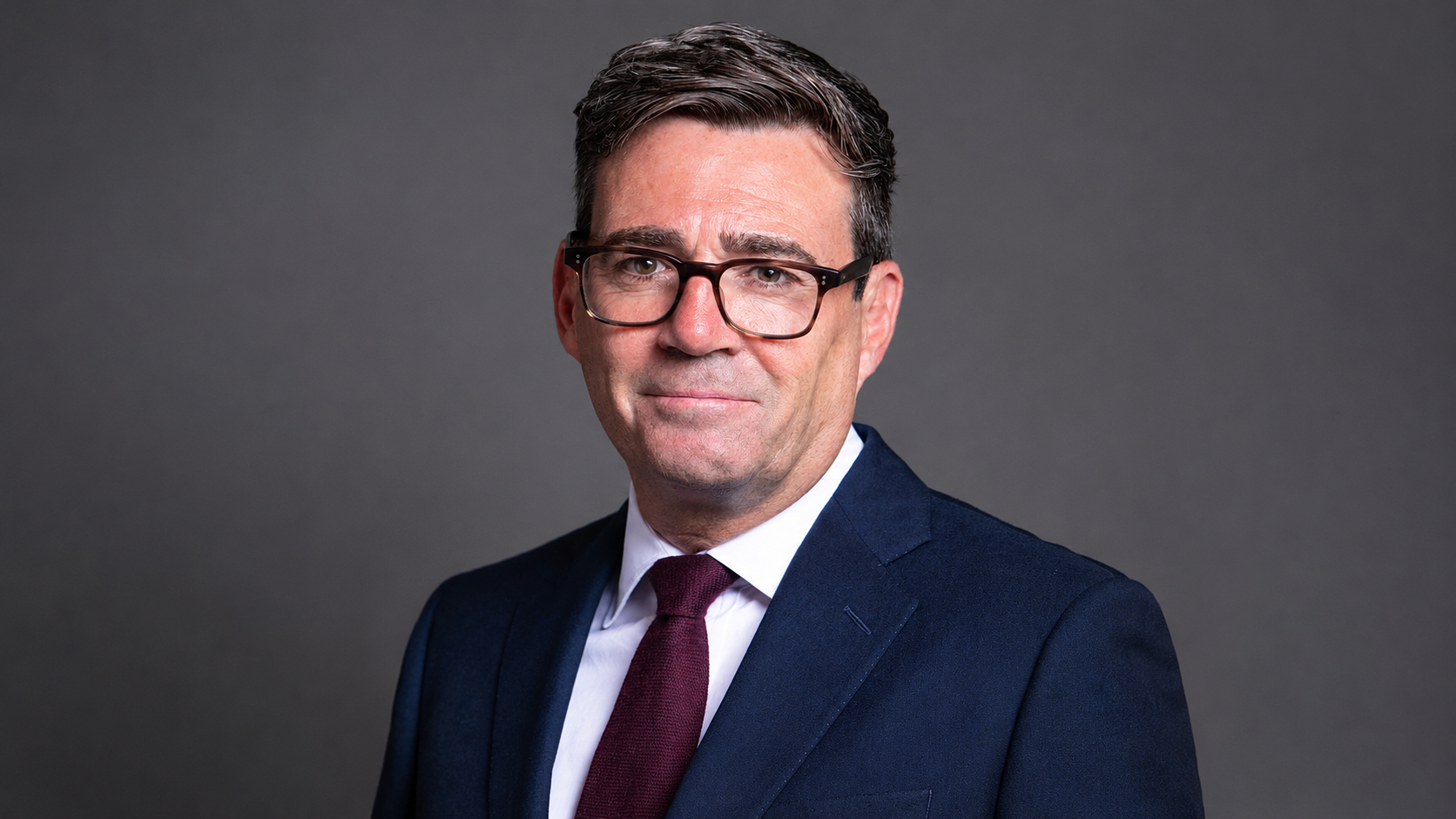
The new prime minister said that he intended to reassure Mr Zelensky of being “with him 100 per cent.”
Andy Burnham, former mayor of Manchester, has replaced Keir Starmer as the British Prime Minister and the leader of the Labour Party.
He became the seventh prime minister in a decade on Monday, following his meeting with King Charles III at Buckingham Palace.
Mr Burnham, in a brief remark, promised to create a “circuit breaker” moment in the cycle of failure and cynicism that has plagued British politics and government for the past decade.
Mr Burnham, who spoke before entering Downing Street, the office and residence of the UK PM, said, “I am acutely conscious that I am the seventh person in the last 10 years to walk up this street. We have not been good enough.”
He also promised to “bring forward a new plan for Britain, a 10-year plan,” although without giving specifics, and stated that a key part of his foreign policy goals would be to support US President Donald Trump and Ukrainian leader Volodymyr Zelensky.
He declared that he intended to reassure Mr Zelensky of being “with him 100 per cent.”
Mr Burnham was the only candidate to secure enough support to replace Mr Starmer as the governing party leader, with 379 out of 401 votes from Labour Party lawmakers during the leadership contest held to choose Mr Starmer’s successor.
Mr Starmer’s resignation due to the loss recorded in the midterm election and a series of political missteps triggered a Labour leadership contest.
Britain’s parliamentary democracy allows governing parties to change leaders mid-term, with the winner becoming prime minister without the need for a general election.
Prime ministers can be replaced if they have resigned as leader of their party or been forced out by a leadership challenge. PSB news reports that four of the six PMs in the past decade took the top job by winning internal party leadership contests to replace their predecessors.
The next national election does not have to be held until 2029, five years from the last election in 2024.
Mr Starmer announced he was quitting as Labour leader on 22 June after barely two years in power. In part, the mid-term losses in May prompted many lawmakers to demand his resignation.
His decision to appoint a man with close ties to the late sex offender Jeffrey Epstein as Britain’s ambassador to the US is also considered part of his missteps.
Mr Starmer departed Downing Street earlier on Monday before Mr Burnham’s arrival.
He told reporters before leaving that his short time in office had made Britain a better place.
He said, “I go with good grace, I go with a smile, and I go proud of everything that we have achieved.”