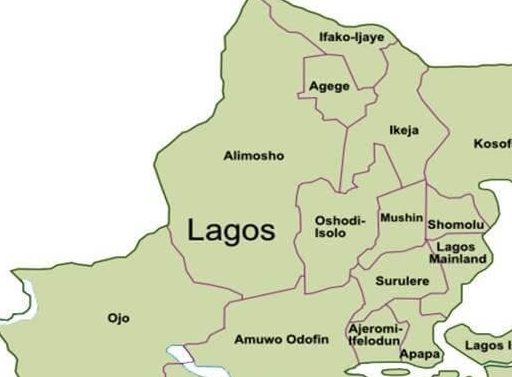
Lagos has invested significantly in environmental sanitation campaigns over the years. Yet, the resurgence of indiscriminate refuse dumping suggests that public enlightenment alone cannot solve the problem. The State must strengthen waste management infrastructure, improve enforcement, and foster greater civic responsibility among residents.
Lagos remains one of Africa’s most vibrant and dynamic cities. Despite the challenges associated with rapid urbanisation and a rapidly growing population, it continues to offer immense opportunities for commerce, innovation, entertainment, tourism, and investment. It is the commercial heartbeat of Nigeria and a city whose environmental standards should reflect its economic importance.
Successive administrations in Lagos State have consistently invested in environmental sanitation campaigns, educating residents on the dangers of indiscriminate waste disposal and promoting a cleaner environment. These efforts have produced measurable improvements over the years. However, recent observations indicate a disturbing resurgence of indiscriminate refuse dumping across parts of the State, threatening public health, environmental sustainability, and the image of Lagos as a modern megacity. Environmental cleanliness is not merely an aesthetic concern; it is a public health, economic, and environmental necessity.
A clean city attracts investment, promotes tourism, improves the quality of life, and reduces the spread of communicable diseases.
Conversely, poorly managed waste blocks drainage channels, contributes to flooding, pollutes waterways, degrades neighbourhoods, and imposes avoidable costs on government and residents alike.
One of the recurring challenges is the poor waste disposal culture exhibited by some residents. Rather than properly bagging household waste before disposal, refuse is often dumped loosely by the roadside or around designated collection points. This practice creates unsightly heaps of garbage, encourages litter to spread onto adjoining roads, obstructs traffic, clogs drainage systems, and attracts rodents and other disease vectors.
Another significant concern is the increasing dependence on cart pushers for waste collection. While many residents patronise them because they are readily available and relatively inexpensive, some operators dispose of refuse at unauthorised locations instead of approved transfer stations or landfill sites. This practice has contributed to the emergence of illegal dumpsites across the city, undermining the efforts of the Lagos State Government and licensed waste management operators.
Addressing these challenges requires more than periodic public enlightenment campaigns. The Lagos State Government should expand waste management infrastructure by providing additional large-capacity waste collection dumpsters in residential, commercial, and densely populated communities. Equally important is increasing the number of waste evacuation trucks to ensure prompt and regular evacuation before waste collection points become overwhelmed.
The State should also strengthen the enforcement of environmental sanitation laws. Individuals and businesses that dump refuse indiscriminately or patronise illegal waste collectors should be held accountable through appropriate sanctions. Enforcement must be fair, consistent, and visible enough to deter future violations while reinforcing public confidence in the rule of law.
There is also a compelling case for prohibiting unlicensed cart pushers engaged in waste collection. Waste management should remain within a properly regulated framework that guarantees accountability, environmental compliance, and safe disposal practices. Any prohibition, however, should be accompanied by practical alternatives that ensure residents continue to have access to reliable, affordable, and efficient waste collection services.
Special attention must equally be given to Lagos’ coastal communities, lagoons, waterways, and beaches. Preventing refuse from entering rivers and the Atlantic Ocean is essential for protecting marine ecosystems, preserving aquatic life, reducing flood risks, and safeguarding the environmental heritage of the State for future generations.
Ultimately, keeping Lagos clean is a shared responsibility. Government must continue to invest in modern waste management infrastructure, strengthen regulatory oversight, and enforce environmental laws without fear or favour. Residents, on their part, must recognise that environmental sanitation begins with individual responsibility. Every properly bagged refuse, every lawful disposal, and every conscious decision to protect the environment contributes to building a healthier, safer, and more prosperous Lagos.
Public enlightenment has laid the foundation for environmental awareness, but awareness alone is no longer enough. The time has come for stronger environmental enforcement, greater investment in waste management infrastructure, and renewed civic responsibility. If Lagos is to retain its status as Africa’s leading megacity, cleanliness must become not merely an aspiration but a discipline embraced by government and every resident alike.
. Mabeek writes from Lagos.