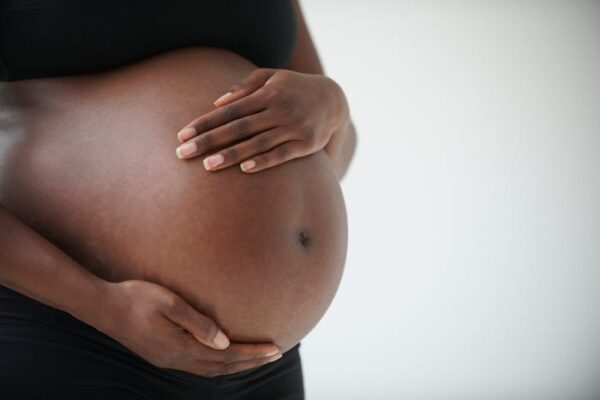
Ms Ikpeazu identified 20 states with low antenatal care coverage and called for stronger collaboration between health authorities and community leaders to improve access to maternal healthcare services.
The World Health Organisation (WHO) has disclosed that about 26 per cent of pregnant women in Nigeria do not access antenatal care, raising concerns over missed opportunities to prevent mother-to-child transmission of HIV.
The WHO Regional Office for Africa’s Team Lead for HIV, Tuberculosis, Hepatitis and Sexually Transmitted Infections (STIs), Akudo Ikpeazu, said Nigeria continues to record approximately 10,000 new HIV infections among children annually, highlighting the need to improve access to maternal healthcare services.
Ms Ikpeazu disclosed this on Tuesday while virtually delivering the keynote address at the 2026 Nigeria HIV Prevention Conference in Abuja.
The three-day conference, themed “Building to Last: Re-imagining HIV Prevention Strategies in Nigeria,” was convened by the Federal Ministry of Health and Social Welfare and the National Agency for the Control of AIDS (NACA).
“About 26 per cent of pregnant women in Nigeria do not access antenatal care. As such, they cannot receive essential services including HIV testing, treatment, follow-up, and follow-through existing antenatal services,” she said.
“But every door a pregnant woman walks through must be a door to prevention.”
Ms Ikpeazu identified 20 states with low antenatal care coverage and called for stronger collaboration between health authorities and community leaders to improve access to maternal healthcare services.
She said ward development committees in the affected states could engage traditional authorities, religious leaders and women leaders to facilitate access through nearby health facilities, outreach clinics and other community-based arrangements.
The WHO official advocated the integration of HIV, hepatitis B and syphilis services into routine maternal healthcare, with local government primary healthcare teams responsible for service delivery, linkage and reporting under state supervision.
She also called for the integration of HIV prevention into reproductive, maternal, newborn, child and adolescent health services through existing primary healthcare structures.
Findings from the 2024 Nigeria Demographic and Health Survey (NDHS), released in October 2025, corroborate the WHO official’s disclosure.
The survey showed that 26 per cent of women aged 15 to 49 who had a live birth within the two years preceding the survey did not receive any antenatal care during their most recent pregnancy.
Nationally, 63 per cent received antenatal care from skilled health providers, with significant disparities across geographical locations, income groups and educational levels.
While 82 per cent of women in urban areas received antenatal care from skilled providers, only 51 per cent of their rural counterparts received such services.
Coverage ranged from 12 per cent in Kebbi State to 97 per cent in Imo State.
Economic status also influenced the utilisation of maternal healthcare services, with 48 per cent of women from the poorest households receiving no antenatal care.
Similarly, only 41 per cent of women without formal education received antenatal care from skilled providers, compared with 95 per cent of those with education beyond the secondary level.
The survey further showed that only 52 per cent of women attended at least four antenatal visits, while 18 per cent had their first visit within the first three months of pregnancy.
More than half of live births, representing 56 per cent, occurred at home, compared with 43 per cent in health facilities.
Ms Ikpeazu said Nigeria must intensify efforts to prevent HIV transmission during pregnancy, childbirth and breastfeeding.
“Children must remain visible as well. New infections among children have held at about 10,000 a year, demanding stronger action against vertical transmission during pregnancy, childbirth, and through the breastfeeding period,” she said.
She explained that WHO validation of the elimination of mother-to-child transmission of HIV in breastfeeding populations requires a transmission rate below five per cent and no more than 50 new paediatric HIV infections per 100,000 live births.
The requirements also include 95 per cent antenatal care coverage, 95 per cent HIV testing coverage among pregnant women and 95 per cent treatment coverage among pregnant women living with HIV.
Ms Ikpeazu encouraged states with high antenatal care coverage to strengthen their HIV testing, treatment and follow-up services and seek recognition through established WHO regional mechanisms.
She noted that progress at the state level could support Nigeria’s efforts towards national validation while providing lessons for states with lower coverage.
The Minister of State for Health and Social Welfare, Iziaq Salako, also identified the prevention of mother-to-child transmission as one of four priority areas for Nigeria’s HIV response.
Represented by the National Coordinator of the National AIDS, Viral Hepatitis and STIs Control Programme (NASCP), Adebobola Bashorun, the minister said Nigeria must strengthen interventions to ensure that no child is born with HIV.
Mr Salako also called for expanded access to prevention services among adolescents, young women and key populations.
He advocated the adoption of innovative prevention options, including long-acting pre-exposure prophylaxis (PrEP) and HIV self-testing kits, alongside behavioural and structural interventions.
The minister emphasised the need to address stigma and discrimination, noting that fear of discrimination could discourage people from accessing essential healthcare services.