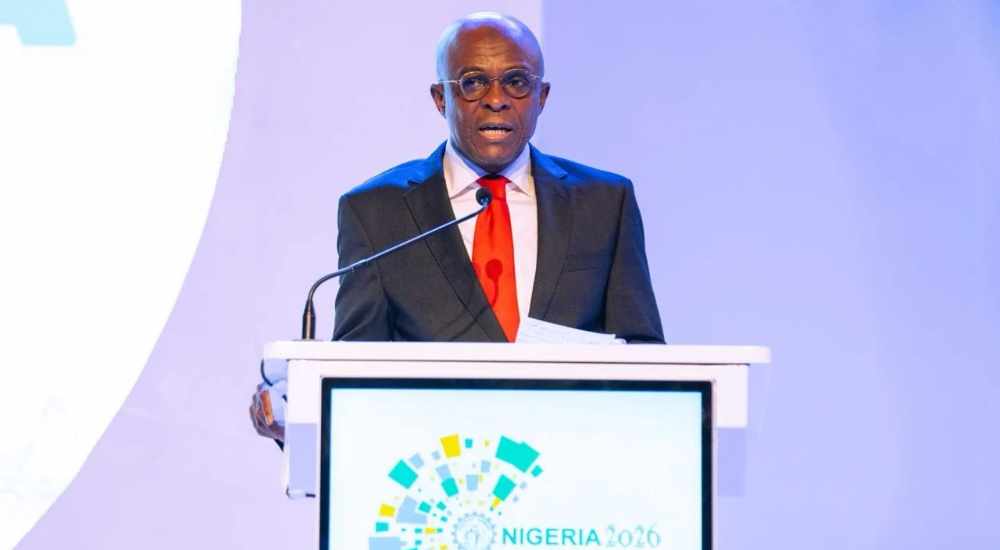
Dr Ope Banwo, the Mayor of Fadeyi, has criticised President Bola Tinubu’s account of a water supply interruption at the Presidential Villa, arguing that the incident highlights the disparity between the options available to political leaders and the daily struggles of ordinary Nigerians.
Tinubu reportedly recounted at a prayer gathering in Lagos that water stopped flowing while he was shaving at the Villa. He subsequently assured Nigerians that his administration would fix the country’s problems, adding that “we have just started”.
In a commentary titled “Jagaban and the Multi Billion-Naira Presidential Villa With No Water — Which Part of This Is Funny, Mr President?,” Banwo said he initially thought a video of the President recounting the incident had been generated using artificial intelligence before confirming that Tinubu had made the statement.
Banwo questioned why the President chose to share the experience while seeking another term, arguing that the account offered little reassurance to Nigerians grappling with persistent shortages of basic services.
He said the President could summon officials and demand explanations when water supply failed at the Villa, unlike residents in communities such as Fadeyi, who often have to depend on neighbours, water vendors or privately installed boreholes when public supply is unavailable.
The commentary highlighted the financial burden households bear in securing water, including drilling boreholes, purchasing storage tanks and paying for electricity or fuel to pump water.
Banwo argued that these expenses effectively shift the responsibility of providing basic services from government to individual households, forcing citizens to spend additional money to meet everyday needs.
You May Like:Banwo Says Tinubu’s Scorecard Not for or Against Re-election
He also cited a ₦3.84 billion allocation in the 2026 federal budget for annual maintenance of the Presidential Villa, questioning how a facility with such a provision could experience a water supply interruption. The scope of the allocation and the cause of the reported disruption, however, would need to be established by the relevant authorities.
Banwo further cited Afrobarometer’s 2024–2025 survey, which found that 76 per cent of respondents in Ghana and 30 per cent in the Republic of Benin reported having grid electricity most or all of the time, compared with 12 per cent in Nigeria.
He said the figures raised questions about Nigeria’s infrastructure performance despite the country’s resources and economic potential.
Banwo argued that progress should be reflected in households having reliable access to running water without parents needing to make special arrangements to provide for their children.
He concluded by questioning who was responsible for maintaining the Villa’s water system and why officials found responsible for poor performance should remain in their positions.
The commentary presents the President’s reported experience as a broader question of government accountability, service delivery and the disconnect between official assurances and the everyday realities facing Nigerians.