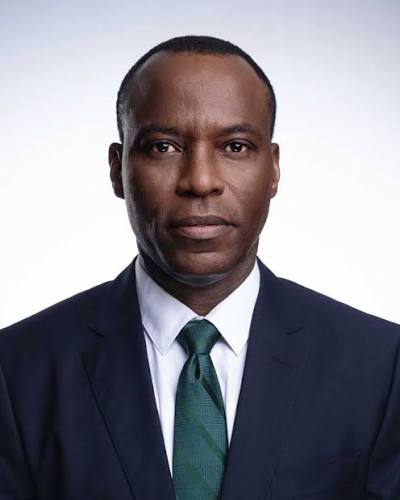
Engr. Effiong Okon, Chief Executive Officer, Seplat Energy Plc has called on African energy operators to accelerate the adoption of artificial intelligence (AI) and digital technologies to improve operational efficiency, strengthen asset performance and make faster, better-informed decisions.
He made the call while delivering the keynote address at the inaugural Digitalisation and AI in Energy West Africa conference in Lagos, where he highlighted the growing interdependence between energy and artificial intelligence.
Engr Okon noted that the expansion of AI is increasing demand for reliable energy while creating opportunities for oil and gas companies to improve exploration, development and production.
The CEO explained that the growth of data centres and other digital infrastructure presents significant opportunities for Nigeria’s natural gas industry, given the country’s substantial gas resources. He also highlighted how AI can help energy operators improve reservoir understanding, anticipate equipment failures, strengthen production surveillance and reduce uncertainty in operational decisions.
“The relationship between energy and AI is a two-way relationship. There is no AI without energy, and as data centres and other digital infrastructure expand, the demand for reliable power will continue to grow. At the same time, AI gives the energy industry an opportunity to find more, decide faster and deliver sooner. For Nigeria, our gas resources will be important to powering that digital future,” he said.
Engr. Okon stressed that successful digital transformation requires the industry to move beyond acquiring technology and focus on identifying specific operational challenges and applying solutions that deliver measurable results. He outlined three priorities for effective AI adoption: starting with clearly defined business problems, building strong data foundations and bringing employees along in the transformation process.
Citing Seplat Energy’s experience, he highlighted the use of machine learning to improve permeability prediction at Sapele, where prediction accuracy has increased from approximately 50–60 per cent to 80 per cent or better. He also discussed seismic reprocessing to improve subsurface imaging and reservoir understanding, as well as planned ocean bottom node seismic acquisition to support more informed exploration and development decisions.
The CEO also noted that Seplat has rolled out Microsoft 365 Copilot to improve individual and team productivity, while its AI Ethics, Risk and Compliance Committee provides oversight for responsible AI use.
“The point is never the tool. It is the decision it changes. Digital is not a destination. Better uptime, safer operations, sharper reservoir decisions and faster production decisions are the destination. We must start with the problem we are trying to solve, build the right data foundations and bring our people along. AI should support engineers and strengthen their judgement, not replace the engineering discipline required to operate our assets safely and efficiently,” he said.
In the same vein, David Osemwegie, General Manager, Information Technology, Seplat Energy Plc, gave further insight into the practical demands of digital transformation during a dialogue session titled ‘Operator Address: What It Actually Took to Put AI into Production’.
Drawing on Seplat’s experience integrating the former ExxonMobil shallow-water asset, Osemwegie highlighted the importance of strong data governance, business continuity and organisational alignment. He explained that the integration required a deliberate approach to consolidating business data, managing different technical systems and addressing legacy inefficiencies, while ensuring that employees and business owners remained involved in the process.
On AI deployment, he emphasised that business ownership is essential to ensuring that solutions deliver measurable value. He e
Follow NGBreakingnews on WhatsApp: join the channel for every exclusive the moment it publishes.