…Benue Saves ₦1.2bn Monthly As Kogi Removes 25,000 Fictitious Workers, Rivers flags 5,397 Unverified staff
Daud Olatunji
A fresh wave of payroll audits across six Nigerian states has exposed thousands of suspected ghost workers, fraudulent appointments, duplicate salary payments and other irregularities, raising concerns over the management of public funds and accountability in the public service.
The investigations, covering Katsina, Rivers, Benue, Zamfara, Kogi and Cross River states, revealed widespread discrepancies in government payroll systems, with some states uncovering fictitious employees collecting salaries for years and others identifying workers receiving multiple payments from public funds.
The discoveries have also exposed the financial consequences of weak personnel verification systems, with billions of naira reportedly lost or potentially diverted through questionable payroll arrangements.
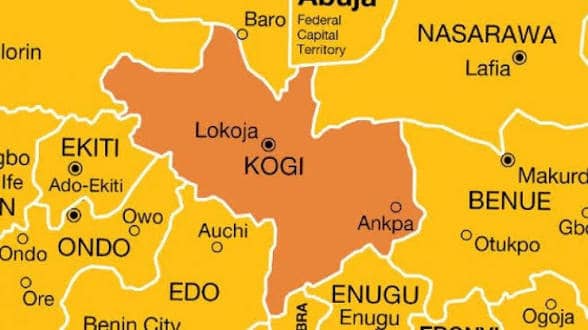
Among the most significant revelations, Kogi State reportedly removed more than 25,000 suspected ghost workers from its payroll, while Rivers State flagged 5,397
In Benue State, Governor Hyacinth Alia’s administration said it uncovered 2,500 ghost workers on the payroll of the state’s 23 local government areas, saving the government more than ₦1.2bn in a single month.
Similarly, Zamfara State identified 2,363 suspected ghost workers allegedly collecting ₦193.6m monthly, while Katsina uncovered 3,488 payroll irregularities across its 34 local government councils and Local Education Authorities.
Cross River State also reported thousands of questionable personnel records, including suspected ghost workers, duplicate entries and invalid Bank Verification Numbers.
The findings have renewed concerns about the extent of payroll fraud in Nigeria’s public sector and the involvement of officials who allegedly facilitate the insertion of fictitious names into government payroll systems.
In Katsina, the state government uncovered 3,488 payroll irregularities involving personnel in the 34 local government councils and Local Education Authorities.
The findings followed a screening exercise announced in September 2025, which covered 50,172 personnel.
The chairman of the biometric screening committee, Abdullahi Gagare, disclosed that 46,380 personnel were successfully verified, while the committee identified several irregularities, including fake certificates, falsified dates of birth, underage employment, absenteeism, illegal promotions and alleged fraudulent appointments.
The exercise also uncovered cases of workers allegedly collecting salaries from both state and federal government establishments.
According to the committee, ₦4.6m was recovered from affected workers, while six other employees were discovered to have continued receiving salaries while on leave of absence.
The committee also accused the Education Secretary of Zango Local Education Authority of presenting 24 suspected ghost workers for verification.
Gagare said the implementation of the committee’s recommendations could generate monthly savings of ₦453.3m, amounting to approximately ₦5.4bn annually.
Governor Dikko Umaru Radda had separately disclosed that local government councils had already saved about ₦500m, with the figure expected to rise to ₦5.7bn.
However, the outcome of a separate audit of the state civil service payroll had yet to be made public as of the time of the report.
The Katsina State Auditor-General’s 2023 report had put the workforce of the state government and two tertiary institutions at 20,266, with combined monthly salary payments of approximately ₦2.484bn.

