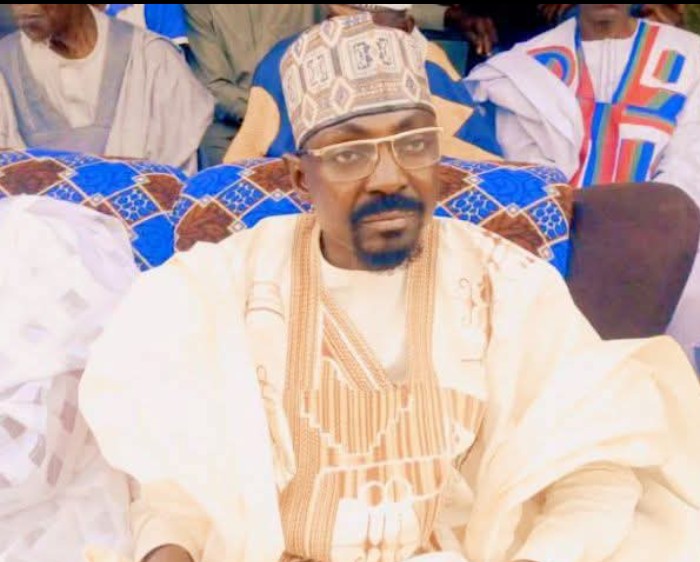
Mustapha Rabiu Kwankwaso, Secretary of the Kwankwasiyya Movement and son of former Kano Governor Rabiu Kwankwaso, has officially resigned his membership from the New Nigeria People’s Party (NNPP), signalling a major political shift ahead of the 2027 general elections.
The development was announced less than 24hours after his father resigned from NNPP to join ADC.
Announcing his decision on Monday via his official Facebook page, Mustapha described the resignation as a deliberate and carefully considered move.
He further revealed that he is in the process of joining the African Democratic Congress (ADC), describing it as a new chapter in his political journey aimed at advancing good governance and socio-economic progress for Kano State and Nigeria as a whole.
“My decision to join the ADC is driven by my conviction that it is best positioned to bring the desired change and progress to our country, particularly to our state, Kano. I believe that the ADC, with its vision and values, offers a viable platform for us to work together toward achieving our shared goals of good governance, economic prosperity, and improved well-being for all,” he said.
The resignation comes against the backdrop of shifting political alliances ina Kano and across northern Nigeria.
Blueprint.ng reports that crisis had long began when Mustapha’s father, Rabiu Kwankwaso, a key NNPP figure and former governor of Kano state, defected to the All Progressives Congress (APC) in 2023 following internal disagreements within the NNPP. This move triggered a series of defections by party members loyal to the Kwankwasiyya Movement, weakening the NNPP’s structure in its traditional stronghold.
The NNPP, originally built around the Kwankwasiyya political network, had faced growing internal strains, particularly after the 2023 elections when Governor Abdullahi Ganduje’s administration then aligned with APC, consolidated control in Kano state.
Many NNPP members loyal to the Kwankwaso political brand have since been navigating between the APC and emerging platforms like the ADC in search of political viability for the 2027 elections.
The party has also seen a number of high-profile entrants from the PDP and APC, positioning it as a strategic opposition platform ahead of the next electoral cycle.
The wave of defections reflects broader patterns of fluid party loyalty in Nigerian politics, where local political calculations, intra-party conflicts, and perceptions of electoral competitiveness drive movement between parties.
The Kwankwaso family remains central to political alignments in Kano, making Mustapha’s defection to the ADC a development likely to influence other stakeholders and voter bases ahead of 2027.