(Photo Credit : UNESCO)
 1 / 10
Jericho, Palestine | Situated on the West Bank, Jericho is one of the oldest continuously inhabited cities in the world. At this place, there is evidence of settlements dating back to nearly 9000 BC, according to WorldAtlas. Over the years, archaeological findings here have helped people understand the transition from nomadic lifestyles to permanent settlements as well as the beginnings of agriculture. Some of the popular archaeological sites here include traces of Mesolithic hunters and remnants of a Neolithic community, which constructed the massive stone wall and tower around their town.
(Photo Credit : Wikimedia Commons)
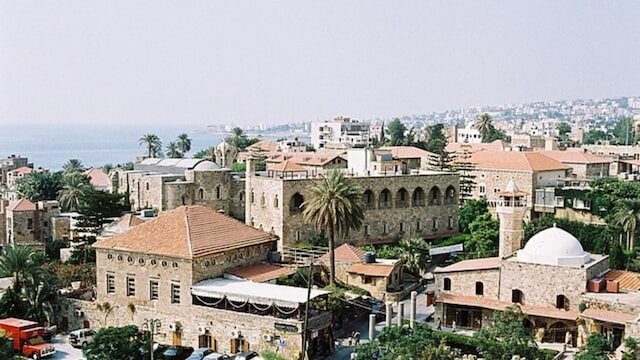
2 / 10Byblos, Lebanon | This ancient Phoenician port is the place where the papyrus trade with Egypt was centred. Known as Jbeil in Arabic, human activity in this region dates back to 8800 to 7000 BC, with signs of permanent settlement noted from around 5000 BC. Byblos has seen influence from multiple civilisations, such as Egyptians, Phoenicians, Greeks and Romans, among others. Byblos is believed to have originated from the Greek word for papyrus. It is also connected to the English word “Bible”.
(Photo Credit : UNESCO)
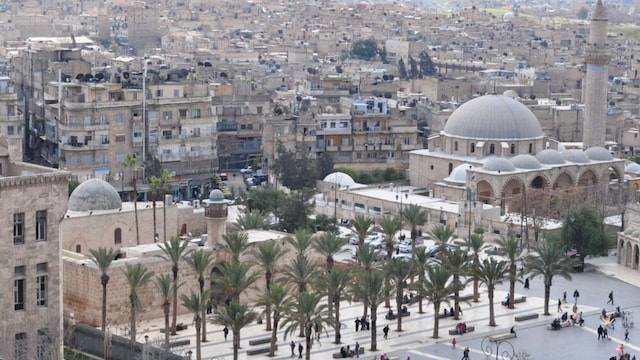
3 / 10Aleppo, Syria | First inhabited around 4300 BC, Aleppo is located at the crossroads of ancient trade routes. It has served as a major commercial hub for most of its history. Aleppo was a trading centre between the Mediterranean Sea and Mesopotamia, which made it a crucial point on the Silk Road. This significantly contributed to its varied cultural heritage and economic prosperity across different time periods.
(Photo Credit : UNESCO)
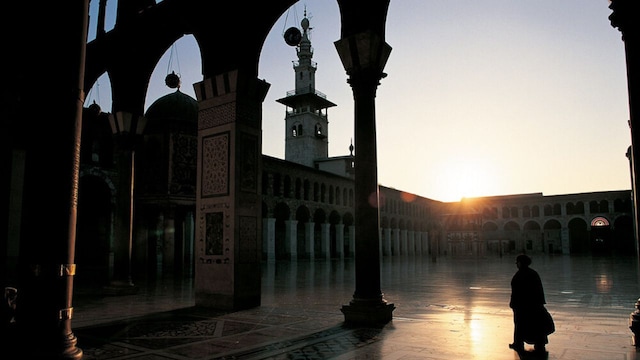
4 / 10Damascus, Syria | Often recognised as one of the oldest continuously inhabited cities worldwide, Damascus has been the centre of civilisation for millennia and was conquered by many, including Alexander the Great and the Ottoman Turks. Famous as the “City of Jasmine,” this place is a cultural hub in the Arab world. It is situated on a plateau 680 meters above sea level and remains surrounded by the Anti-Lebanon mountain range that shields the city from Mediterranean moisture.
(Photo Credit : Wikimedia Commons)
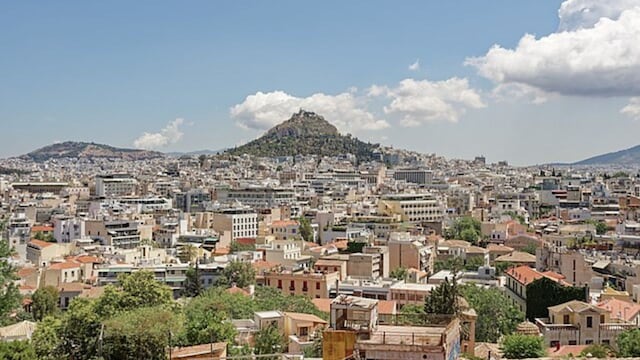
5 / 10Athens, Greece | The capital city of Greece dates its roots back more than 3,400 years. It is located in the Attica region along the Mediterranean coast and has a population of more than 3.6 million in its metropolitan area. While walking through its streets, visitors can see the city’s classical heritage in iconic landmarks like the Parthenon on the Acropolis, which symbolises the zenith of artistic expression of ancient Greece.
(Photo Credit : UNESCO)
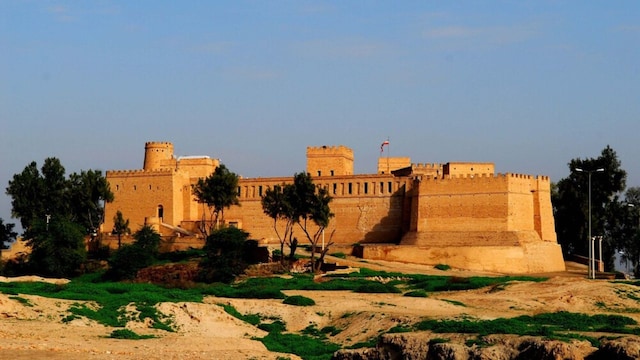
6 / 10Susa, Iran | Also known as Shush, this Iranian city was among the important places of the Ancient Near East. It served as the administrative centre for the Persian Empire under Darius I and was the capital of the Elamite Empire. People can find details about it in the biblical Book of Esther. Susa is considered as a site of immense historical and archaeological importance by several historians.
(Photo Credit : Wikimedia Commons)
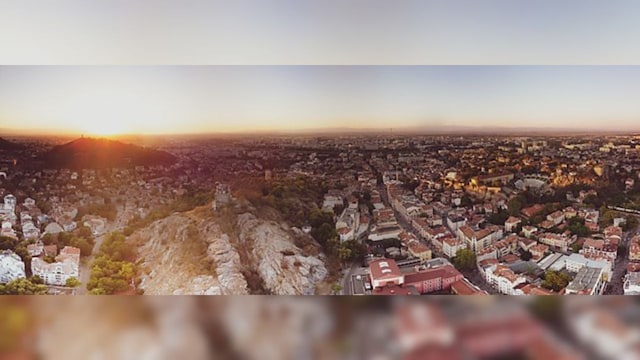
7 / 10Plovdiv, Bulgaria | This second-largest city in Bulgaria is located in the fertile south-central region of the country on the Maritsa River. According to WorldAltas, the city’s journey began about 8,000 years ago with Neolithic settlements. The Thracians, Macedonians, Romans, and Ottomans later evolved it. Plovdiv has been designated as a European Capital of Culture twice and hosts several cultural events, including international fairs and festivals.
(Photo Credit : Canva)
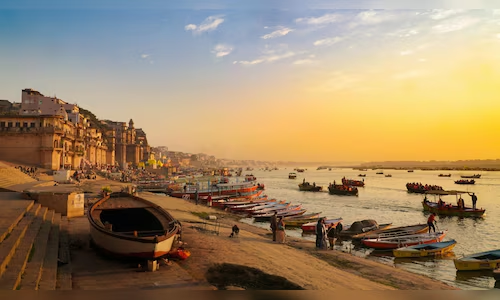
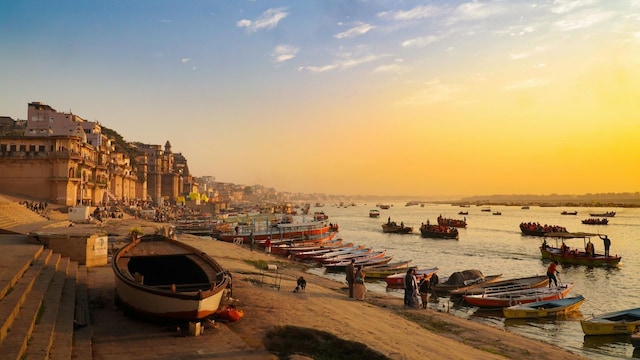
8 / 10Varanasi, India | Varanasi is one of the oldest living cities in the world. The place has served as the ultimate pilgrimage spot for Hindus for ages. The city has been a centre of learning and civilisation for more than 3000 years. Located in Uttar Pradesh, the city has been associated with the promotion of spiritualism, mysticism, Sanskrit, yoga and the Hindi language. It is often believed that the Ganges in Varanasi holds the power to wash away the sins of mortals.
(Photo Credit : UNESCO)
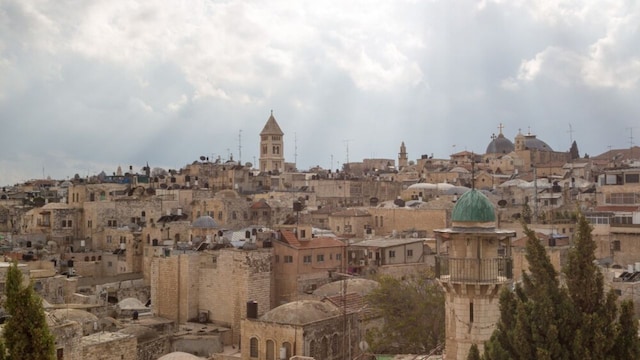
9 / 10Jerusalem, Israel | Revered by Judaism, Christianity, and Islam, Jerusalem is located on a plateau between the Mediterranean and the Dead Sea. It continues to remain one of the oldest continuously inhabited cities across the globe, with multiple archeological evidence of settlement dating back to the 4th millennium BCE. This city holds major religious significance as it serves as the site of Jesus’s crucifixion and resurrection. Also, in Islamic tradition, Muhammad is believed to have ascended to heaven from here.
(Photo Credit : Wikimedia Commons)
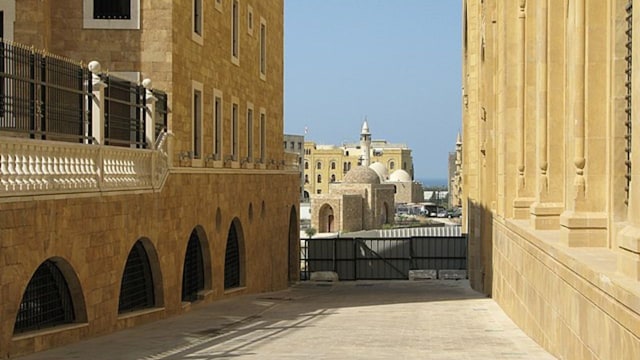
10 / 10Beirut, Lebanon |The largest city in Lebanon has remained continuously inhabited for more than 5,000 years now. Located on a peninsula at the midpoint of Lebanon’s Mediterranean coast, the city has a population of about 2.5 million people, making it nearly half of Lebanon’s total population. Beirut’s past is clearly evident in its architecture. It was earlier known as Berytus during Roman times, when it flourished and became popular and renowned for its law school.