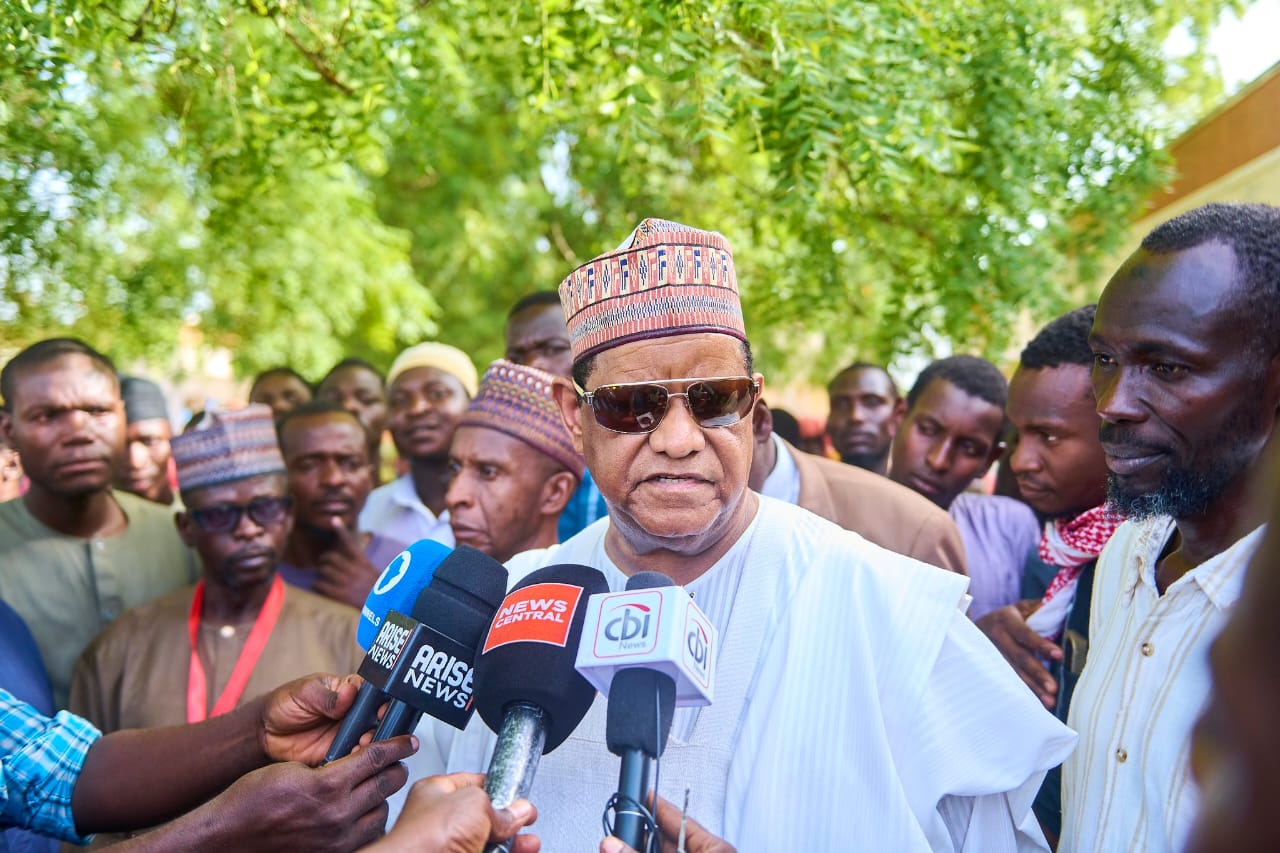
The contest featured former Vice President Atiku Abubakar, former Rivers State Governor Rotimi Amaechi, and banker-turned-politician Mohammed Hayatudeen as the three major contenders.
Mohammed Hayatudeen, one of three presidential aspirants of the African Democratic Congress (ADC), has rejected the party’s primary process, alleging widespread vote manipulation and irregularities across the country.
In an emotional, strongly worded reaction on Tuesday, Mr Hayatudeen said he would boycott the official announcement of the results, insisting that the exercise had been compromised and no longer reflected the will of party members.
“I will not be attending the announcement of the ADC Presidential Election Results today,” he wrote on X.
“I am deeply disturbed by reports from across the country of widespread vote rigging, some of which I personally witnessed. What was meant to be a democratic process has sadly been reduced to manipulation and coordinated interference. I will now consult with my team and supporters on the next line of action.”
The ADC conducted the direct primary on Monday, with many party supporters initially describing it as a defining moment for the opposition coalition seeking to challenge President Bola Tinubu.
The contest featured former Vice President Atiku Abubakar, former Rivers State Governor Rotimi Amaechi, and former banker, Mr Hayatudeen, as the contenders.
Although the party had yet to formally declare a winner as of Tuesday evening, early results from several states showed Atiku establishing commanding leads in parts of the North-east and North-west.
In Sokoto, Yobe and Gombe states, party officials declared overwhelming victories for the former vice president, while reports from other northern states also suggested he maintained a significant advantage over his rivals.
The emerging trend immediately triggered tension within sections of the party, especially among supporters of Mr Hayatudeen, who accused some party leaders of attempting to impose a preferred candidate before the conclusion of collation.
The ADC welcomed the influx of high-profile politicians amid growing realignments ahead of the 2027 elections.
Party leaders had promoted the direct primary as a transparent alternative to the delegate-based systems often criticised in Nigeria’s major political parties. Under the arrangement, registered party members vote directly for their preferred candidates.
The exercise was monitored by officials of the Independent National Electoral Commission (INEC), with voting taking place simultaneously across the country.
However, even before voting commenced, concerns had emerged over alleged manipulation of membership registers, late arrival of materials in some states, and accusations of interference by influential blocs within the coalition.
Mr Hayatudeen’s decision to publicly reject the process is expected to deepen internal tensions within the ADC at a critical moment when the party is attempting to position itself as the main opposition platform ahead of 2027.
Political observers say the controversy could test the coalition’s unity, especially if aggrieved aspirants challenge the outcome legally or withdraw their support for the eventual candidate.