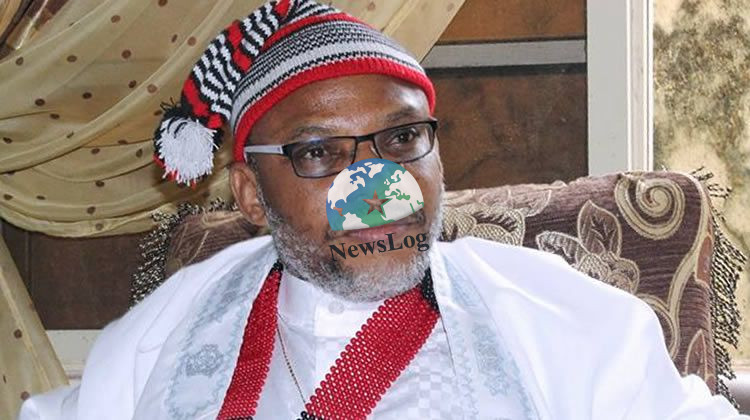
More than a decade after it was first uttered, a chilling warning from detained IPOB leader Mazi Nnamdi Kanu has resurfaced like a ghost from the past, sending shockwaves across Nigeria’s volatile ethnic fault lines. In a December 2, 2014 statement, the fiery Biafran separatist painted a nightmarish vision of bloodshed, land grabs, and systemic protection for marauders that many now claim has unfolded exactly as predicted.…....
“Then a group deadlier than Boko Haram will emerge, they will seize our farmland, rape our women, kill our people and their master will protect, defend and even arm them, because their sole agenda is to enslave us forever. Those who cannot see it now, will soon see it,” Kanu declared.
“The hatred in their souls for my people is legendary. They do not see us as humans. They kill, they slaughter, they burn and they destroy. Mindless bloodletting is in their DNA. My people are in trouble.”
At the time, Kanu – then gaining prominence through Radio Biafra broadcasts – was railing against what he saw as an existential threat to the Igbo people and southern Nigeria. Supporters, including prominent voices like Femi Fani-Kayode, have repeatedly hailed it as a prescient prophecy pointing squarely at the rise of Fulani herdsmen militancy, banditry, and farmer-herder clashes that have ravaged the Middle Belt, Southeast, and beyond in the years since.
Kanu’s words came amid Nigeria’s 2015 election buildup and escalating Boko Haram insurgency in the northeast. He alleged a deliberate agenda by northern elites – often dubbed “their master” in IPOB rhetoric – to unleash nomadic militants under the guise of grazing rights, ultimately aiming at demographic conquest and subjugation of indigenous farming communities.
Critics dismissed the 2014 remarks as inflammatory hate speech designed to stoke secessionist fervor. But as villages burned, farmers were displaced, and reports of rapes, beheadings, and cattle rustling multiplied under the Buhari administration and beyond, IPOB loyalists pointed to “fulfillment.” Herdsmen attacks in Benue, Plateau, Enugu, and other states fueled accusations of government complicity or inaction, with some alleging armed protection or political shielding for perpetrators.
Even mainstream outlets like Vanguard noted in 2017 how Kanu’s earlier predictions aligned with the herdsmen menace spreading southward.
Nnamdi Kanu founded the Indigenous People of Biafra (IPOB) in 2014, reviving the push for an independent Biafran state echoing the 1967-1970 civil war. His arrest, trials, and ongoing detention have only amplified his martyr status among supporters, who view him as a truth-teller silenced for exposing uncomfortable realities of ethnic power dynamics in Africa’s most populous nation.
Nigeria continues to grapple with intertwined crises: jihadist insurgencies, banditry in the northwest, separatist agitations in the southeast, and farmer-herder conflicts often framed along ethnic and religious lines. Thousands have died; millions displaced. Farmlands lie fallow in once-productive regions, exacerbating food insecurity.
Detractors argue Kanu’s language dehumanizes opponents and ignores complexities like climate change driving herder migrations, criminal elements in all groups, and failures of governance across administrations. Yet for many in affected communities, the quote resonates as a raw indictment of perceived systemic bias.
As one supporter posted years later: “Man was born Prophet of the future.”
Whether history will judge Kanu a visionary agitator or a divisive figure, his 2014 words remain a lightning rod in a country where ethnic suspicions run deep and trust in institutions is frayed. With insecurity still claiming lives daily, the debate rages: ignored warning or self-fulfilling rhetoric?
Nigeria’s people, caught in the crossfire, continue to pay the price.