China has announced it will purchase 200 Boeing aircraft and seek an extension of a trade truce with the United States, which is due to expire in November. The move follows a high-level summit between the leaders of both nations, aimed at stabilising bilateral relations.
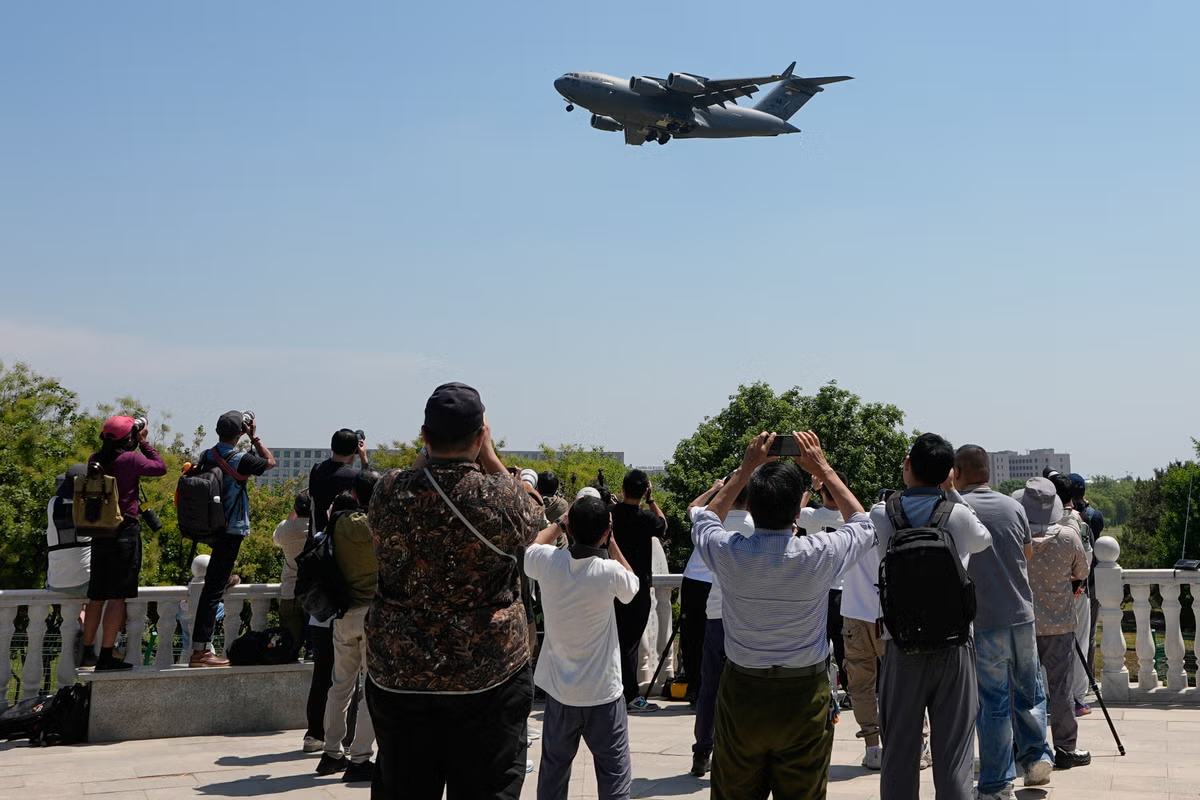
The acquisition, confirmed in a statement by the Chinese commerce ministry, marks Beijing’s first official acknowledgement of the Boeing order, though specific aircraft types were not detailed. If finalised, this would represent Boeing’s most significant Chinese deal in nearly a decade, after the US planemaker was largely excluded from the world’s second-largest aviation market amidst escalating trade tensions between Beijing and Washington.
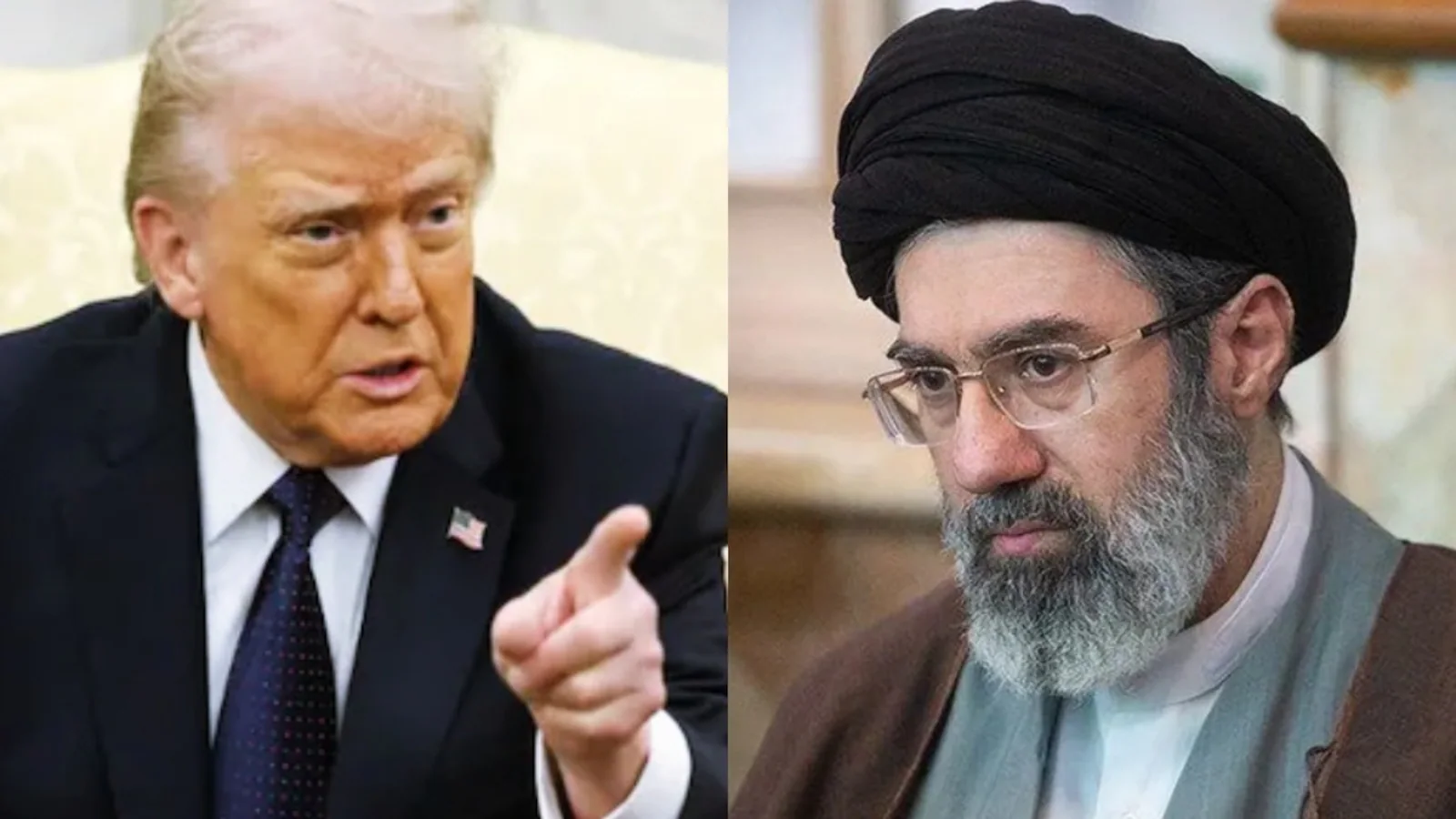
President Donald Trump visited China last week for discussions with President Xi Jinping, a trip that yielded several trade commitments, including the Boeing purchase and improved agricultural market access. Following the Beijing summit, Mr Trump suggested the Boeing orders could potentially increase to as many as 750 planes, which he added would be equipped with GE Aerospace engines. The Chinese ministry also stated that the US would guarantee the supply of aircraft engine parts and components under the agreement.
Both sides are expected to pursue reciprocal tariff reductions on goods valued at £30 billion or more. The ministry stipulated that US tariffs on China must not exceed the level established under an arrangement reached last year. Zhiwei Zhang, president and chief economist at Pinpoint Asset Management, commented: “If they cut tariffs for products (worth) around \$30 billion, it would be around 10% of U.S. imports from China. This is not significant enough to change the market’s GDP forecast.”
“Nonetheless this is a positive step in the right direction. As long as the two countries are talking to stabilise the bilateral relations, it is good news for global investors.”
China and the US reached an agreement in Kuala Lumpur before a Trump-Xi meeting in South Korea in October that extended their tariff truce for a year.
The deal included U.S. tariff reductions on Chinese products and a pause in Beijing’s new restrictions on rare earth minerals and magnets, which are vital for technologies like consumer electronics, electric vehicles and defence. The statement came after U.S. Treasury Secretary Scott Bessent told Reuters that the Trump administration was “not in a rush” to extend the tariff and critical minerals trade truce with China, signalling more negotiations with Beijing in the coming months to renew it.
Both sides will work together to address each other’s concerns on export controls, the ministry said, adding that Beijing reviews export licence applications for critical minerals including rare earths that are intended for civilian uses. The White House said in a fact sheet released on Sunday that China would purchase at least $17 billion of U.S. agricultural products from 2026 to 2028, excluding an existing soybean commitment.
The Chinese commerce ministry statement did not confirm the number, but said the two sides achieved “positive results” in the agricultural sector and reached agreements on mutual market access.
Beijing will restore registration of eligible U.S. beef exporters and resume imports of some U.S. poultry products, the ministry said.
The U.S. has pledged to remove or make progress on several non-tariff barriers affecting Chinese agricultural exports, with steps that would facilitate exports of Chinese dairy products, it added.