Brayan Rayo Garzon was sick, terrified and begging to hear his mother’s voice.
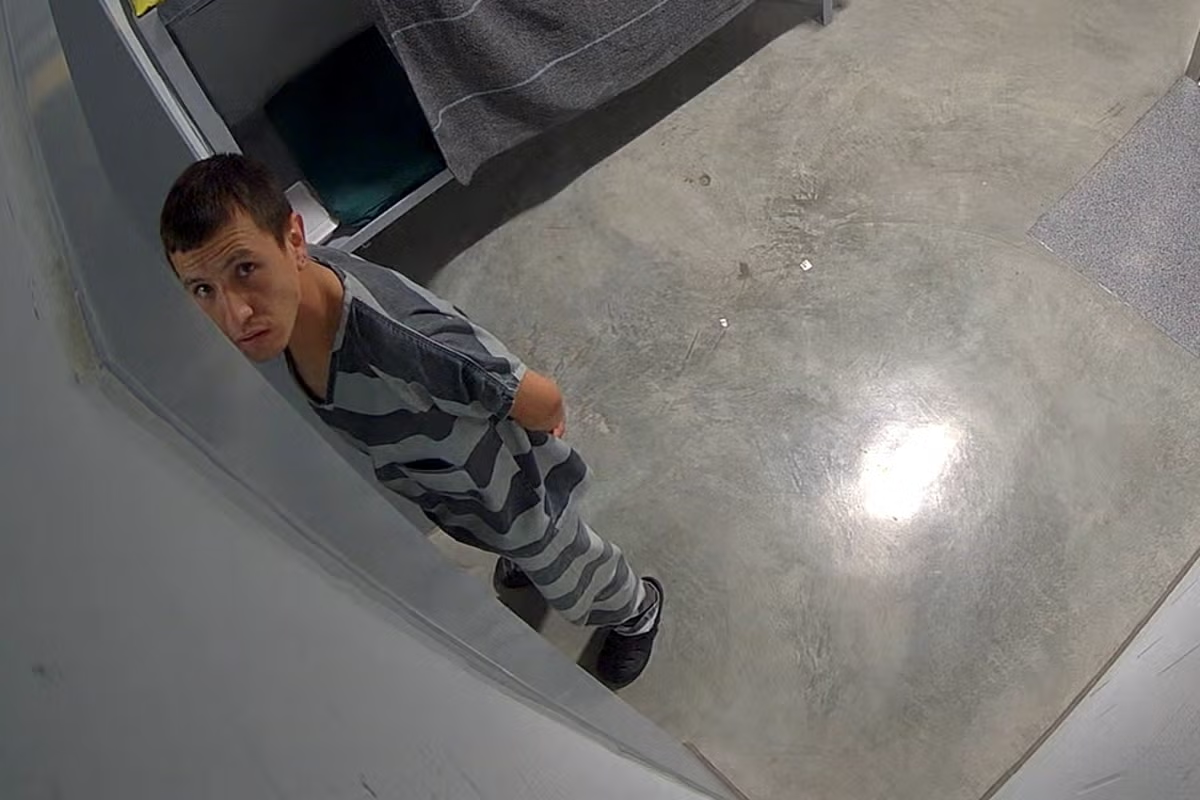
Locked inside an ICE detention cell in rural Missouri, the 26-year-old Colombian migrant spent his final days battling COVID-19, suffering chills and fevers — and pleading with guards to let him make a phone call home.
Instead, jail staff allegedly ignored his desperate handwritten notes.
Within an hour of one final plea, Rayo was found unconscious in his isolation cell with a sheet around his neck, according to jail records and an autopsy reviewed by the Associated Press.
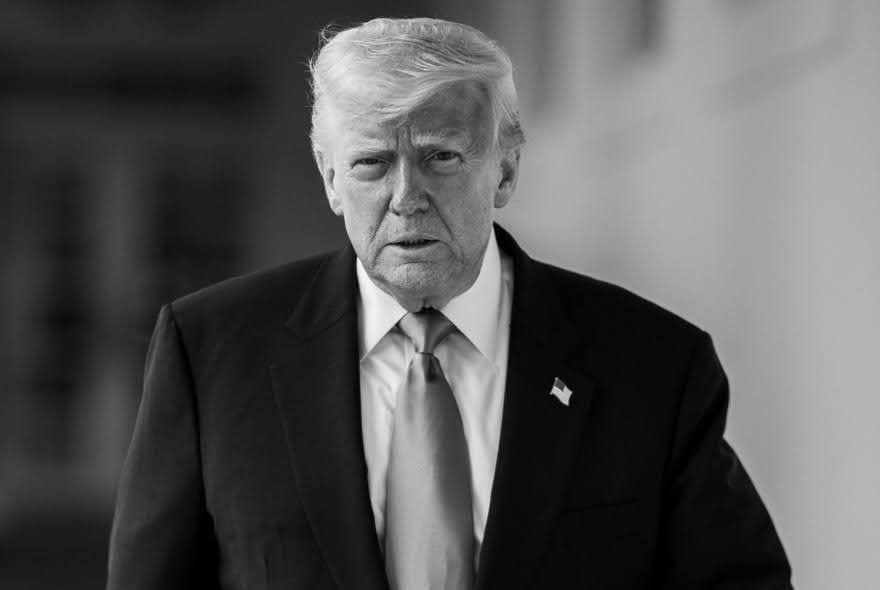
His death in April marked the first in a horrifying wave of suicides now rocking ICE detention centers under President Trump’s aggressive deportation crackdown.
At least 10 ICE detainees have taken their own lives since Trump returned to office in January 2025, according to an AP investigation examining autopsies, police records, ICE data and coroner reports.
That number already shatters previous annual records for suicides in ICE custody.
Public health experts are sounding the alarm, warning that the deaths point to catastrophic failures inside America’s immigration detention system.
“Something is going profoundly wrong,” said Dr. Sanjay Basu, an epidemiologist at the University of California-San Francisco. “This is one of those alarming, sudden increases.”
Most of the dead were Hispanic men in their early 30s. Seven had no violent criminal records despite Trump repeatedly describing deportation targets as the “worst of the worst.”
The suicides now account for nearly one-fifth of all deaths in ICE custody this year.
Experts say many could have been prevented.
Investigators found repeated breakdowns across detention facilities — including ignored warning signs, delayed mental health treatment, isolation confinement and failures to monitor detainees already considered at risk.
In some cases, detainees allegedly had access to materials used to kill themselves.
Rayo’s final days paint a devastating picture.
A former Colombian soldier who later worked as a street vendor, Rayo crossed into California with his family in 2023 and eventually settled in St. Louis. Friends and relatives said he adapted quickly to life in America, working as a painter and food delivery driver while trying to save money for an immigration lawyer.
But after his arrest in March 2025 for allegedly using a stolen credit card at a vape shop, ICE took him into custody and transferred him to the Phelps County Jail in Rolla, Missouri.
Records show problems began immediately.
ICE policy requires medical and mental health screenings within 12 hours of detention. Rayo reportedly waited 35 hours.
He complained of anxiety, trouble breathing and asked for mental health care.
A nurse who didn’t speak Spanish reportedly used a handheld translation device to evaluate him before clearing him for general population.
Days later, he tested positive for exposure to tuberculosis bacteria and was diagnosed with COVID-19 after being rushed to a hospital.
Then came isolation.
Sick, nauseous and alone, Rayo was placed in a cinderblock quarantine cell under camera surveillance. Guards barred him from making nightly phone calls to his mother, Adriana Garzon — calls the two used to share a Catholic blessing before bed.
“I gave him strength,” his grieving mother said.
More details here...