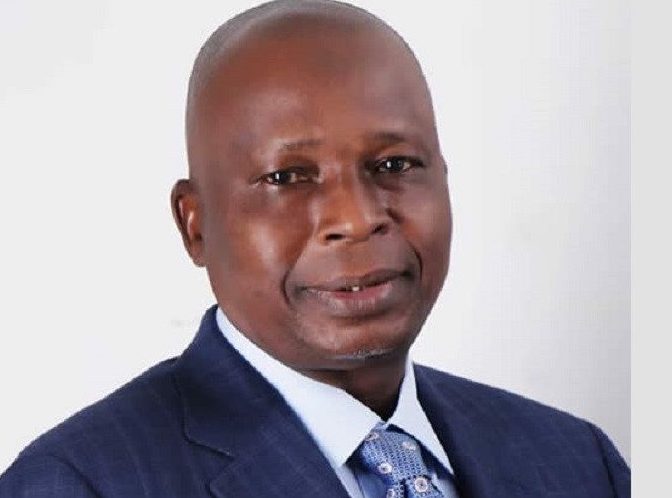
The Federal High Court in Abuja has convicted a former Minister of Power, Saleh Mamman, on 12 counts of fraud and money laundering following a prosecution by the Economic and Financial Crimes Commission (EFCC).
Delivering judgment on Thursday, Justice James Omotosho held that the prosecution proved its case beyond reasonable doubt, convicting the former minister on all counts in the charge marked FHC/ABJ/CR/273/2024.
The court found Mamman guilty of criminal breach of trust and unlawful diversion of public funds totalling about ₦33.8 billion, including monies earmarked for major power projects such as the Mambilla and Zungeru Hydroelectric Power Plants.
According to the judgment, part of the illicit transactions involved a cash payment of $655,700 (about ₦200 million) used to acquire landed property in Abuja without passing through a financial institution, in violation of anti-money laundering laws.
Justice Omotosho noted that large portions of the funds were allegedly routed through Bureau de Change operators, who converted the money into foreign currency before handing it over to the defendant.
“The evidence of the prosecution is overwhelming as against the scanty and almost absent defence of the defendant,” the judge held, adding that the former minister failed to provide credible rebuttal to the EFCC’s case.
The court further condemned the misuse of public office, stating that instead of improving Nigeria’s struggling power sector, the defendant allegedly “lived large at the expense of ordinary citizens,” contributing to ongoing electricity challenges.
Mamman was absent in court during the judgment, prompting the court to defer sentencing while granting the EFCC’s request for a warrant of arrest to be issued against him.
His counsel informed the court that his whereabouts were unknown and claimed he was unwell, though the prosecution argued there was no justification for his absence, urging the court to proceed.
The EFCC had called 17 witnesses and tendered 43 exhibits during the trial, alleging that the former minister conspired with ministry officials to divert funds meant for critical national power infrastructure.
The conviction marks one of the most significant rulings in recent anti-corruption cases involving former senior government officials.