1 / 11
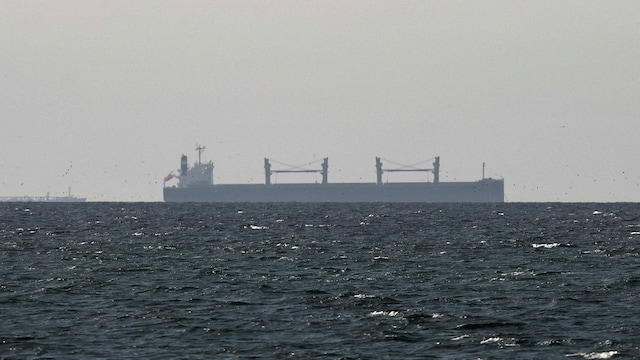
The double blockade in the Strait of Hormuz is disrupting one of the world’s most important energy routes and driving up global commodity prices. According to multiple international assessments, including those by the World Bank and the Financial Times, the ripple effects are now reaching household budgets through higher fuel, food, transport and electricity costs.
(Photo Credit : Reuters)
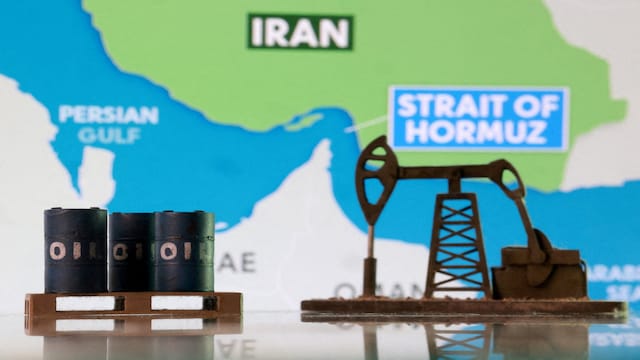
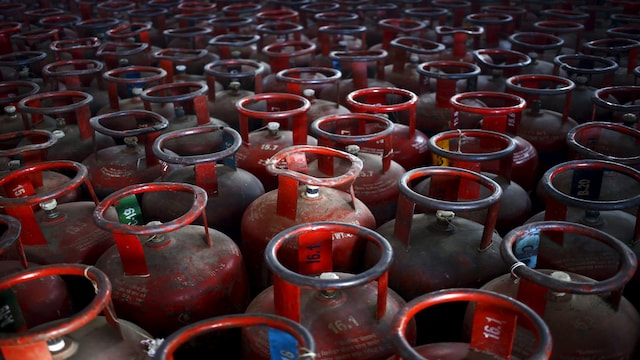
2 / 11The Strait of Hormuz powers global trade flows | The Strait of Hormuz is a critical shipping corridor for global energy and commodities. According to Financial Times data, it carries around 34% of global seaborne crude oil, 29% of liquefied petroleum gas, 19% of LNG, and significant volumes of chemicals, fertilisers and metals. Roughly one-fifth of global oil consumption passes through this narrow passage each day, making it highly vulnerable to disruption.
 3 / 11
Why small shocks trigger big price jumps | Global energy markets react rapidly to geopolitical risks. The World Bank notes that even a 1% fall in oil production caused by conflict can push oil prices up by about 11.5%, highlighting how tightly interconnected modern supply chains are. Disruptions in one region can therefore quickly affect prices worldwide.
 4 / 11
Everyday costs that rise when oil prices spike | Rising crude prices directly affect a wide range of household expenses. According to the World Bank’s Commodity Markets Outlook (April 2026), higher oil prices feed into petrol and diesel costs, air fares, shipping charges, electricity bills in fuel-dependent systems, and even food and fertiliser prices.
 5 / 11
Comparing today’s shock with past oil crises | The current Iran-related disruption is being compared with earlier supply shocks. During the 1990 Iraq–Kuwait invasion, global oil output fell by about 6%, while prices rose 33% within a month. In the current 2026 scenario, supply is estimated to have fallen by nearly 9%, with Brent crude rising 46% in March alone. The International Energy Agency (IEA) has warned that this could become one of the largest oil supply disruptions on record.
 6 / 11
Oil price spikes lift other commodities too | Higher crude prices rarely remain confined to oil markets. World Bank data shows that a 10% rise in oil prices can push natural gas prices up by about 7% and fertiliser prices up by around 5%. This creates a chain reaction across energy-dependent sectors.
 7 / 11
Fertilisers and food costs come under pressure | Modern agriculture depends heavily on energy-based fertilisers. The World Bank warns that fertiliser prices could rise by 31% if disruptions continue, while urea prices alone may jump by as much as 60%. This would raise the cost of food production and could eventually increase retail food prices.
 8 / 11
Sectors most exposed to household impact | Higher energy prices feed into multiple parts of the economy. Transport and logistics, airlines, tourism, farming, food production, plastics, chemicals, manufacturing and electricity generation are among the sectors most exposed, according to World Bank analysis.
(Photo Credit : Reuters)
9 / 11Short-term outlook: Relief depends on shipping recovery | The World Bank’s baseline assumption is that the worst phase of the disruption may ease by May, with shipping gradually returning to normal by late 2026. Under this scenario, energy prices could rise by about 24% this year, while food prices may increase by around 2% because of existing grain stocks.
 10 / 11
Worst-case scenario: Risk of prolonged disruption | If the blockade continues longer than expected, the economic impact could deepen significantly. The World Bank estimates that oil could average around $86 per barrel in 2026 under a normal recovery scenario, but in a worst-case outcome it could exceed $115. This would likely keep inflation elevated, slow global growth and delay interest-rate cuts across major economies.
 11 / 11
Why the Hormuz crisis matters for household budgets | The Strait of Hormuz crisis highlights how dependent the global economy remains on physical energy routes. Even as trade becomes increasingly digital, oil, gas and fertilisers still move through vital shipping lanes. As a result, a regional conflict can quickly translate into higher household expenses worldwide, affecting everything from fuel and food to electricity and transport.