The Federal Government has officially launched the Net-Zero Investment Plan, a comprehensive strategic roadmap aimed at achieving carbon neutrality by 2060 while simultaneously fostering clean economic growth.
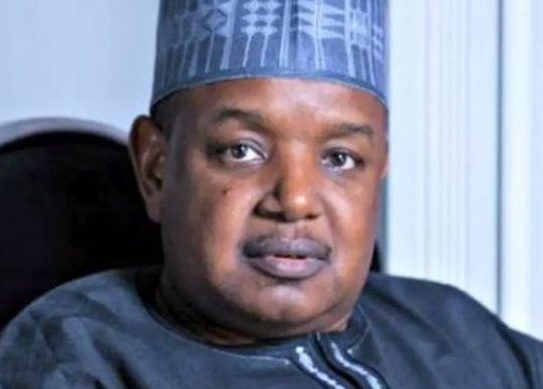
Minister of Budget and Economic Planning, Senator Abubakar Atiku Bagudu, launched the initiative in Abuja on Wednesday.
He said the plan outlines Nigeria’s pathway to net-zero greenhouse gas emissions and positions climate action within the country’s long-term economic framework.
The launch drew senior officials, development partners and private sector players, aligning policy direction and financing interests tied to climate and infrastructure projects.
“We are here to emphasise that Nigeria is not reluctant to commit to initiatives that may affect the private sector, which seeks financing for various projects,” he said.
Bagudu said recent engagements with German partners secured commitments to mobilise long-term funding, including €71 million in contributions and a €300 million credit guarantee to support climate-aligned investments.
He linked the plan to constitutional provisions, noting that Section 20 mandates environmental protection while Section 13 assigns responsibility across all arms of government.
“Nigeria’s Agenda 2050 recognises that environmental management and sustainability are integral to national planning, not tangential,” he added.
The minister said lessons from environmental degradation in Ogoniland have shaped current policy, with stronger regulation, improved technology and better data guiding resource use and agricultural practices.
He further emphasised that reforms are designed to reduce investment risk, attract capital and support the goal of building a $1 trillion economy that balances profitability with environmental responsibility.
On her part, Head of International Cooperation at the German Embassy, Dr Karin Jansen, said the plan reflects Nigeria’s priorities and was developed through a broad consultative process involving government, experts, civil society and business groups.
She said the initiative shows increased readiness to attract global climate finance and deepen cooperation on energy transition, efficiency and emissions reduction.
“This investment plan is, above all, a Nigerian initiative, and Germany is proud to support it through funding and technical cooperation under the International Climate Initiative,” she said.
Jansen said the focus will now shift to execution, with emphasis on turning policy into bankable projects that deliver measurable outcomes for citizens.
The plan targets key sectors including power, transport, agriculture, waste and industry, while promoting inclusion through support for women, youth and small businesses, positioning Nigeria for a low-carbon and climate-resilient future.