3 min readNew DelhiUpdated: May 10, 2026 10:44 AM IST
Russia has been at the forefront of assisting Iran in the war against the United States and Israel by transporting drone components to the Islamic country via the Caspian Sea, the New York Times reported, quoting US officials who spoke anonymously.
These drone shipments are proving to be highly instrumental in helping Iran rebuild its offensive capabilities after it lost about 60 per cent of its drone arsenal in the latest war, the report stated.
According to US officials, if the shipments from Russia to Iran continue, they will help the latter quickly rebuild its arsenal.
The trade in weapons systems shows the close defence partnership between Moscow and Tehran; however, it is unlikely that Russia would play a decisive role in Iran’s war with the US and Israel.
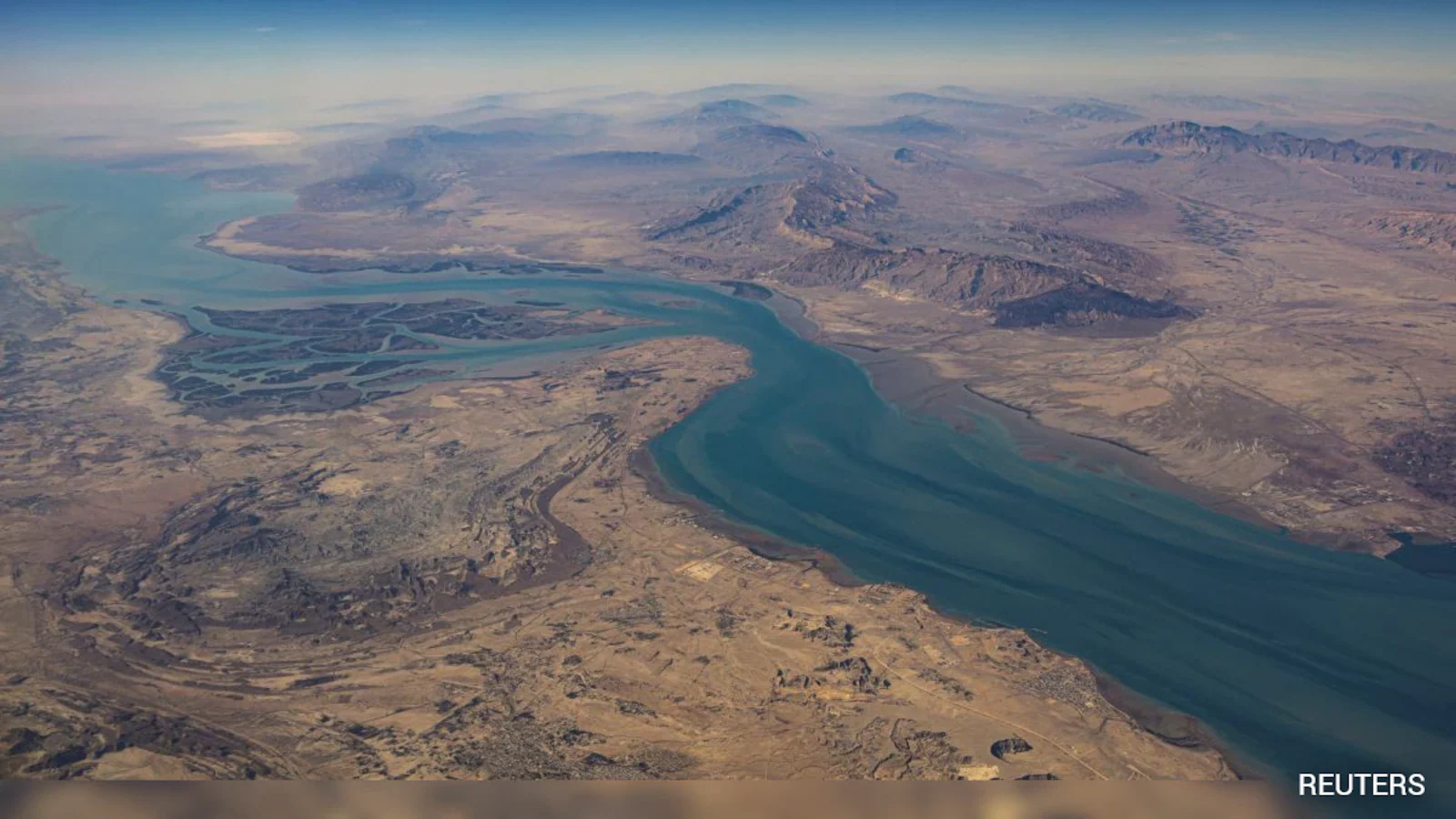
Caspian Sea as an alternative route
With the closure of the Strait of Hormuz and its blockade by the US Navy forces, Iran’s efforts to open alternative routes are progressing at a great pace.
Towards this, four Iranian ports along the Caspian Sea are working to bring in wheat, corn, animal feed, sunflower oil and other supplies.
Mohammad Reza Mortazavi, the head of the Association of Iran’s Food Industries, told the state broadcaster IRIB that Iran has been actively rerouting essential food imports through the Caspian, the NYT quoted.
Story continues below this ad
Russian trade officials and port statistics also indicate a rapid increase in shipping through the Caspian in recent months.
About 2 million tons of wheat that used to be shipped from Russia to Iran over a single year through the Black Sea is going via the Caspian, Vitaly Chernov, the head of the organisation that tracks Russia’s maritime industry. This is because the Black Sea is currently under the threat of attacks by Ukraine.
“Against the backdrop of instability in the Middle East, Caspian routes to Iran look much more attractive,” Chernov told the news agency.
Why the Caspian?
The Caspian is considered to be the largest lake in the world, with most trade occurring through the route being opaque.
Story continues below this ad
Proven to be difficult to monitor from a distance, ships plying the route between Russian and Iranian ports turn off the transponders that allow for satellite tracking, as per maritime tracking groups.
Moreover, the US cannot interdict ships passing through the Caspian, as only five bordering nations have access to the route.
It serves as the “ideal place for sanction evasion and military transfers,” Nicole Grajewski, a professor specialising in Iran and Russia at Sciences Po in Paris, told the NYT.
Stay updated with the latest – Click here to follow us on Instagram
© IE Online Media Services Pvt Ltd