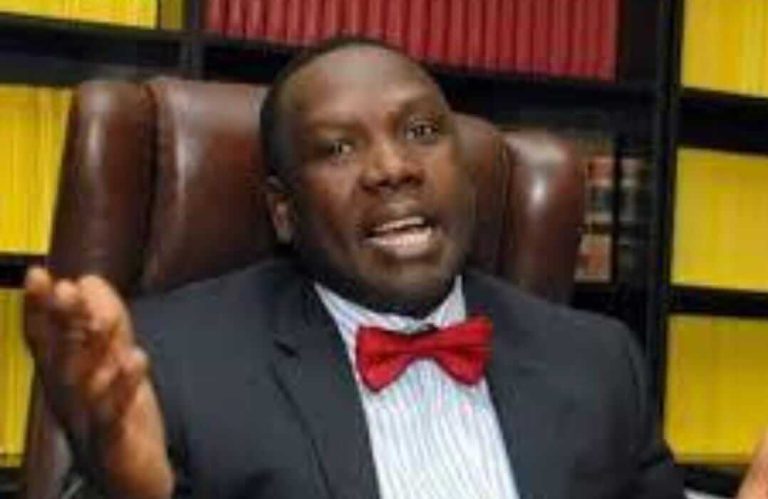
Daniel Bwala, Special Adviser on Policy Communication to President Bola Tinubu, has said Nigerians have a constitutional right to defend themselves against threats to their lives, including the use of reasonable force in dangerous situations.
Bwala made the statement during an interview on Arise Television while addressing growing concerns over insecurity across the country.
His comments followed recent attacks in parts of Nigeria, including the killing of residents in the Esiele community of Oyo State and the abduction of teachers and pupils from LA Primary School.
According to him, the Nigerian Constitution empowers citizens to protect themselves whenever their lives are under immediate threat.
“The constitution guarantees every Nigerian the right to self-defence. You have the right to defend yourself,” Bwala said.
He explained that when individuals collectively protect their communities, it becomes a broader effort toward community security.
“If someone comes into my house to kill me, any lawful means I use to defend myself is backed by the Constitution,” he added.
However, Bwala clarified that Nigerians are not automatically permitted to possess all categories of firearms, stressing that weapons ownership remains regulated by law.
He noted that communities can work together and seek government approval for coordinated security arrangements where necessary.
Speaking on the government’s efforts to tackle insecurity, Bwala admitted that criminal activities remain a global challenge but expressed confidence that collaboration between citizens and security agencies would help reduce violent crimes.
“Criminal elements exist in every part of the world. Government continues to do its best, and with collective intelligence and support from the people, we will overcome this challenge,” he said.
He also acknowledged the frustration and grief Nigerians experience whenever attacks occur, promising that authorities remain committed to ending the violence.
“No matter how often government sympathises with victims, people will still complain and mourn because innocent lives are being lost. But together, we will put an end to it,” he stated.
Bwala further linked the rise in insecurity to election periods, claiming that political tensions and what he described as a “crisis economy” often fuel violence ahead of elections.
“From 2014 to 2026, insecurity tends to increase around election seasons because some individuals take advantage of the situation,” he said.
He also highlighted the role of vigilante groups and local intelligence networks, especially in states like Borno, where community-based security groups assist law enforcement agencies with information gathering.