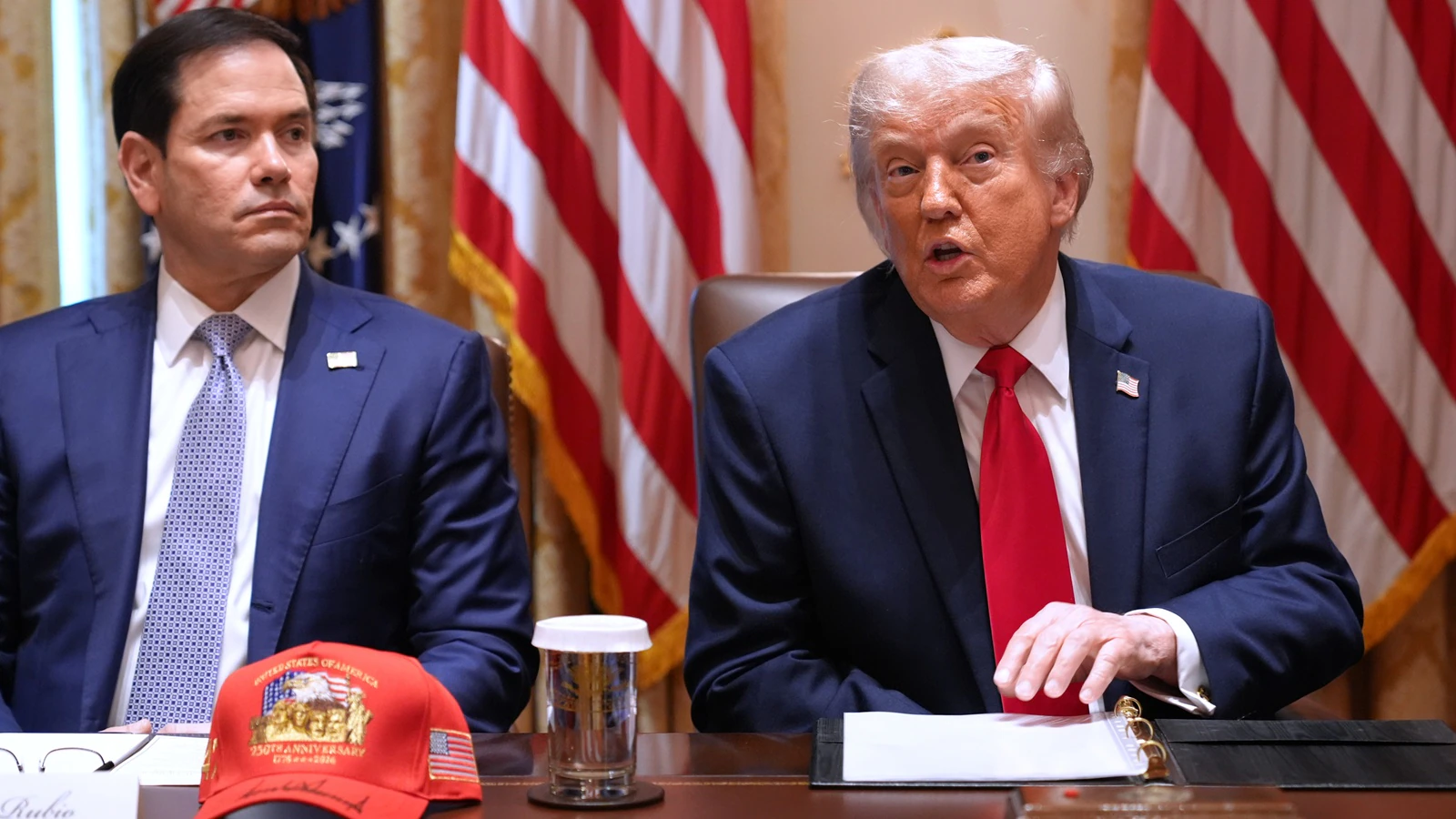
Warsh, 56, succeeds Jerome Powell and will serve a four-year term as chair of the Federal Reserve Board. He was administered the oath at the White House after being nominated earlier this year by US President Donald Trump.
In brief remarks after the ceremony, Warsh signalled that he intends to push for significant changes at the central bank.
“I will lead a reform-oriented Federal Reserve, learning from past successes and mistakes, both escaping static frameworks and models and upholding clear standards of integrity and performance,” Warsh said, according to CNN.
Warsh assumes office at a particularly volatile moment for the US economy. Inflation pressures have intensified following the US-Israel conflict involving Iran, which has driven up global crude oil prices and lifted fuel costs across the United States. Mortgage rates have also climbed to their highest levels in nine months, while investors increasingly fear that inflation could remain elevated for longer.
The new Fed chair is widely seen as aligned with Trump, who has repeatedly demanded lower interest rates and sharply criticised Powell in recent months for refusing to cut borrowing costs aggressively. Trump had even joked publicly that he would sue Warsh if rates were not reduced, according to Reuters.
Despite that perception, Warsh stressed that the Federal Reserve would function independently under his leadership, with a focus on controlling inflation while supporting economic growth.
The Federal Reserve chair, however, does not unilaterally decide interest rates. Those decisions are taken collectively by the Federal Open Market Committee (FOMC), which bases policy moves on economic data and inflation trends rather than political demands.
While Fed officials had earlier projected rate cuts later this year, sentiment inside the central bank has shifted amid rising energy prices and global instability. A growing number of policymakers now favour keeping rates unchanged, with some even discussing the possibility of another rate hike.
Just hours before Warsh was sworn in, Federal Reserve Governor Christopher Waller said the Fed should remove any indication that it was leaning towards easing monetary policy and leave open the possibility of raising rates again if inflation worsens.
According to Reuters, Waller said recent inflation data showed price pressures were becoming broader across the economy and argued that markets should not assume rate cuts were inevitable.
Warsh, a former Fed governor who resigned in 2011 over disagreements related to the central bank’s bond-buying programmes after the global financial crisis, had spent the past year publicly outlining his vision for reforming the institution.
Warsh’s first policy meeting as Fed chair is scheduled for June 16-17.