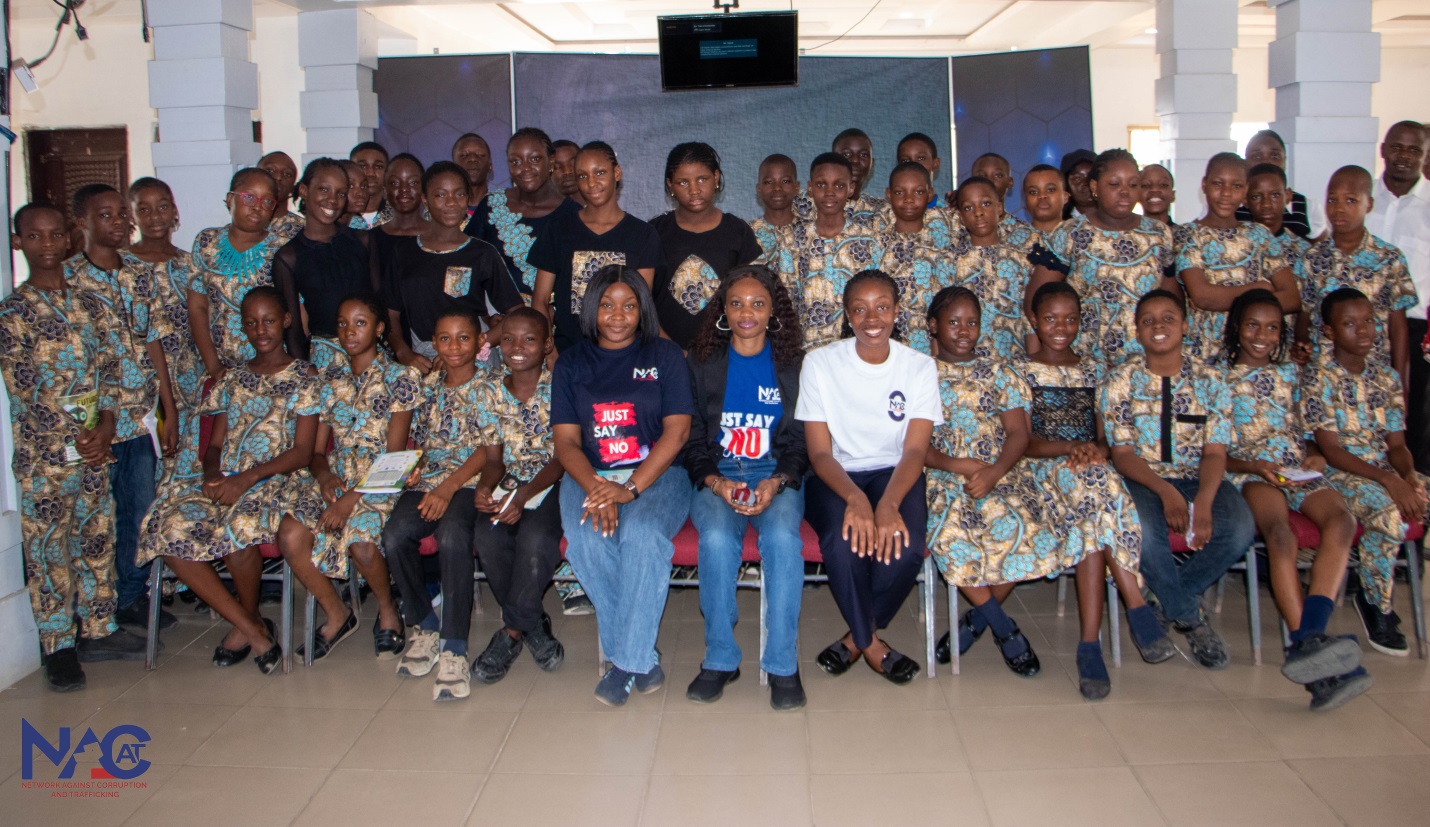
In response to the escalating crisis of substance abuse among Nigerian youths, the Network Against Corruption and Trafficking (NACAT) on Thursday, May 21, 2026, held a compelling sensitization seminar at BabyLove (Glow Bearers) School in Abuja to equip students with critical knowledge on the perils of drug abuse and the power of early responsible choices. The event comes amid growing national concern over the surge in drug abuse, which experts link to rising cases of mental health challenges, school dropouts, juvenile crime, family breakdowns, and preventable deaths among teenagers and young adults across the country. The seminar, which targeted primary and junior secondary students, aimed to intervene early by building awareness before negative peer pressure and curiosity take root. Head Teacher Mr. Daniel Gabriel welcomed the NACAT team and underscored the urgency of such interventions. “Educating children on the dangers of drug abuse is necessary in today’s society, where many young people are increasingly exposed to harmful substances both online and within their communities,” he said. NACAT’s Communications Officer, Comfort Gargadi, kicked off the sessions with a clear and engaging introduction to the topic. She began by defining drugs as chemical substances that can alter the way the body and mind function. She distinguished between legitimate medical use such as taking prescribed medications to treat illnesses under a doctor’s supervision and drug abuse. “Drug abuse,” she explained, “is the excessive, wrongful, or inappropriate use of any substance, whether legal or illegal, for non-medical purposes or in ways that deviate from medical instructions. It occurs when substances are taken in higher doses than recommended, more frequently than prescribed, without a valid medical reason, or mixed with other substances recklessly.” Gargadi emphasized that drug abuse is not limited to hard drugs like cocaine or heroin, but also includes the misuse of everyday substances such as codeine-containing cough syrups, tramadol, marijuana, alcohol, and even volatile inhalants commonly abused by young people. Students were then shown a powerful animated video that illustrated the devastating trajectory of drug experimentation from initial curiosity to addiction, academic failure, lost opportunities, and emotional trauma for families. The animation visibly captivated the young audience. In a more detailed and compelling presentation, NACAT’s Programme Manager, Joy Tomo, cautioned the students against the deceptive influence of peer pressure and the temptation of seemingly harmless experimentation. She painted a vivid picture of how many young people begin their journey into drug abuse with what they perceive as innocent curiosity or a desire to fit in, only for it to gradually evolve into a destructive habit that derails their entire future. “Several promising young people have lost their dreams, careers, education, and even their lives as a result of substance abuse,” she stated with conviction. Tomo highlighted heartbreaking real-life scenarios where talented students with bright prospects had their potentials cut short by addiction, urging the audience to recognize that every seemingly small decision in this area carries significant weight. She further emphasized that the devastating consequences of drug abuse reach far beyond the individual user. Families often bear immense emotional trauma as they watch their loved ones spiral into decline, while simultaneously struggling with heavy financial burdens caused by medical rehabilitation, lost income, and long-term care. At the societal level, she noted, the ripple effects contribute to increased crime, strained healthcare systems, and the loss of a productive generation essential for national development. The session turned interactive as students asked thoughtful questions. Grade 5 pupil Samuella Samdin inquired whether frequent medication by sickle cell patients constitutes drug abuse. JSS 3 student Oluchi Emenike asked about alcohol content in cough syrups, while her classmate Kabir Ghiyhathudeel sought advice on handling headaches without adult supervision or nearby pharmacies. Facilitators clarified the line between responsible medical use and abuse, strongly advising students against self-medication and encouraging them to always consult trusted adults or healthcare professionals. Tomo also introduced S-NACAT, the student wing of the organization, which promotes discipline, leadership, and positive values among young people. The program ended with students reciting an anti-drug pledge. Each child received an informative pamphlet containing illustrations, key facts on drug dangers, and suggestions for healthy activities. In his closing remarks, Mr. Gabriel described the seminar as “timely and necessary,” and encouraged students to share the lessons with their families and friends. This sensitization forms part of NACAT’s wider campaign to tackle drug abuse, corruption, human trafficking, and other social vices through sustained youth engagement and community awareness programs across Nigeria.
.. NACAT Urges Students to Shun Drug Abuse in Eye-Opening School Sensitization Program in Abuja first appeared on Secret Reporters.