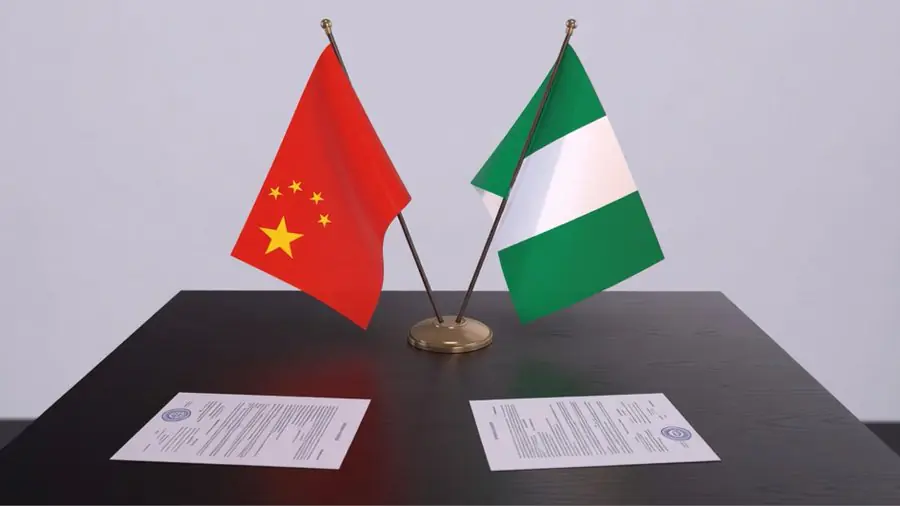
Nigeria and China have pledged to strengthen bilateral cooperation in the areas of tourism, culture, and the creative economy, in a move aimed at boosting investment flows and expanding cultural exchange between both nations.
The renewed commitment was reaffirmed during recent diplomatic engagements and cultural exchange discussions between officials of both countries, where emphasis was placed on using cultural diplomacy as a tool for economic growth and mutual understanding.
According to statements from stakeholders involved in the discussions, both countries agreed to expand collaboration in tourism promotion, cultural heritage development, and creative industry partnerships.
Key areas of cooperation include:
Joint tourism promotion initiatives to increase visitor flows
Cultural exchange programmes and heritage preservation
Film, music, and entertainment industry collaboration
Training and capacity-building for tourism and creative professionals
Support for creative startups and cross-border cultural projects
Officials noted that the agreement is expected to help showcase the cultural diversity of both nations while strengthening people-to-people relations.
A major focus of the partnership is the creative economy, which both sides identified as a fast-growing sector with significant potential for job creation and investment.
Nigeria’s creative industry particularly in film, music, fashion, and digital content was highlighted as a key area for collaboration with Chinese counterparts, alongside tourism infrastructure development and cultural exhibitions.
The discussions also explored opportunities for co-productions, festivals, and exchange programmes designed to connect artists, filmmakers, and cultural entrepreneurs from both countries.
The initiative is being supported by Nigeria’s Ministry of Art, Culture, Tourism and Creative Economy, which has continued to pursue partnerships aimed at diversifying the country’s economy through cultural and tourism development.
Chinese officials, on their part, reiterated their interest in encouraging greater tourism exchange, including facilitating more Chinese visitors to Nigeria while also promoting Nigeria as a destination for cultural exploration.