4 min readMay 22, 2026 09:44 AM IST
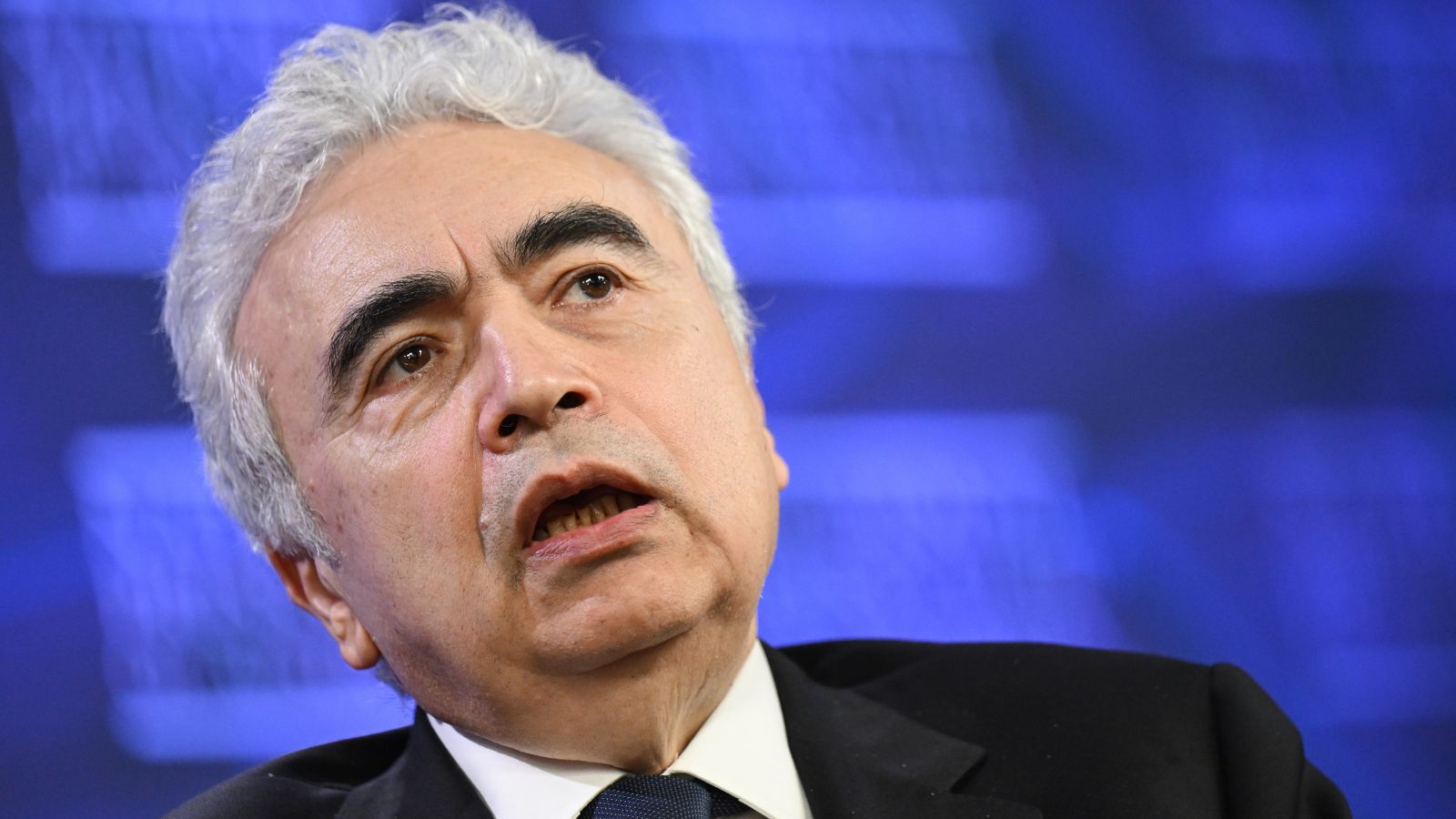
As the world grapples with an oil shortage caused by the closure of the Strait of Hormuz since March 4, 2026, the impact is now clearly visible on global stock markets. Fatih Birol, executive director of the International Energy Agency (IEA), has warned that the crisis, driven by disruptions linked to the Iran conflict and reduced oil flows through one of the world’s most critical energy chokepoints, could worsen in the coming months.
On Thursday, Birol warned that global oil markets could enter the “red zone” by July-August ahead of the summer travel season, amid a shortage of fresh oil exports from the Middle East, The Guardian reported.
Speaking at the London think tank Chatham House, Birol stressed that the only solution was the “full and unconditional reopening” of the Strait of Hormuz. He said IEA member countries remained open to releasing more strategic oil reserves, as they had done in March, and added that the IEA stood ready to coordinate further action.
Birol said global oil stocks were eroding even as demand continued to rise due to peak summer travel and industrial activity. He warned that even if tensions ease, restoring production and refining capacity in the Middle East could take months or a year, The Guardian reported.
The IEA chief said around 14 million barrels of oil per day were currently missing from the market due to the disruption, describing the crisis as more severe than the oil shocks of 1973 and 1979, and the 2022 energy crisis triggered by Russia’s invasion of Ukraine.
Adding that he had “never seen the dark and long shadow of geopolitics so dominant in the energy sector,” Birol warned that extremist parties in Europe could exploit rising inflation to claim existing political systems had failed, despite oil prices being determined internationally.
He also cautioned that countries heavily dependent on oil revenues, such as Iraq, could struggle to reinvest in energy production because of financial losses caused by the crisis. Birol said he saw no prospect of oil production fully recovering for at least a year, including in the United Arab Emirates.
Story continues below this ad
India’s focus on alternative fuels
Meanwhile, in India, Prime Minister Narendra Modi has asked multiple government departments to explore alternative energy sources amid the ongoing disruption in West Asia. PM Modi stressed the need to reduce India’s dependence on imported petro products and fossil fuels, while accelerating the country’s push towards energy self-reliance.
The Centre is examining alternative fuel and energy options, including solar power, green hydrogen, nuclear energy, ethanol blending and boosting domestic energy production.
The Prime Minister has also directed departments to identify ways to reduce unnecessary fuel and energy consumption. He warned that the prolonged West Asia conflict could affect inflation, trade routes, fuel supplies and foreign exchange reserves. Modi further urged both the government and citizens to prepare for the long-term impact of the crisis, drawing parallels with the economic adjustments seen during the Covid-19 pandemic.
Stay updated with the latest – Click here to follow us on Instagram
© IE Online Media Services Pvt Ltd