INEC had given political parties between 23 April and 30 May to conduct their primaries and pick candidates for the 2027 poll.
Amid legal uncertainty surrounding the election timetable provided by the Independent National Electoral Commission (INEC), several political parties have concluded their presidential primaries and candidates have emerged ahead of the commission’s 30 May deadline.
Earlier this month, a Federal High Court judge nullified key portions of the commission’s timetable for party primaries and candidate nominations, holding that some of the dates did not comply with provisions of the Electoral Act 2026.
The court specifically ruled that INEC lacked the powers to prescribe timelines for the internal nomination processes of political parties, including the 30 May deadline for political parties’ primaries.
But INEC has appealed the decision and filed for a stay of execution of the judgement, pending the hearing and determination of its appeal.
The appeal is expected to determine whether the current electoral schedule remains in force ahead of the 2027 polls.
However, pending the determination of the appeal, political parties have conducted their primaries and fielded candidates to beat the 30 May deadline. While some conducted direct primaries, others produced candidates through consensus.
While Justice Mohammed Umar ruled that INEC had no powers to prescribe timelines, another Federal High Court Judge, J.K. Omotosho, ruled in favour of INEC, affirming that the commission has the constitutional powers to issue and alter election timetables.
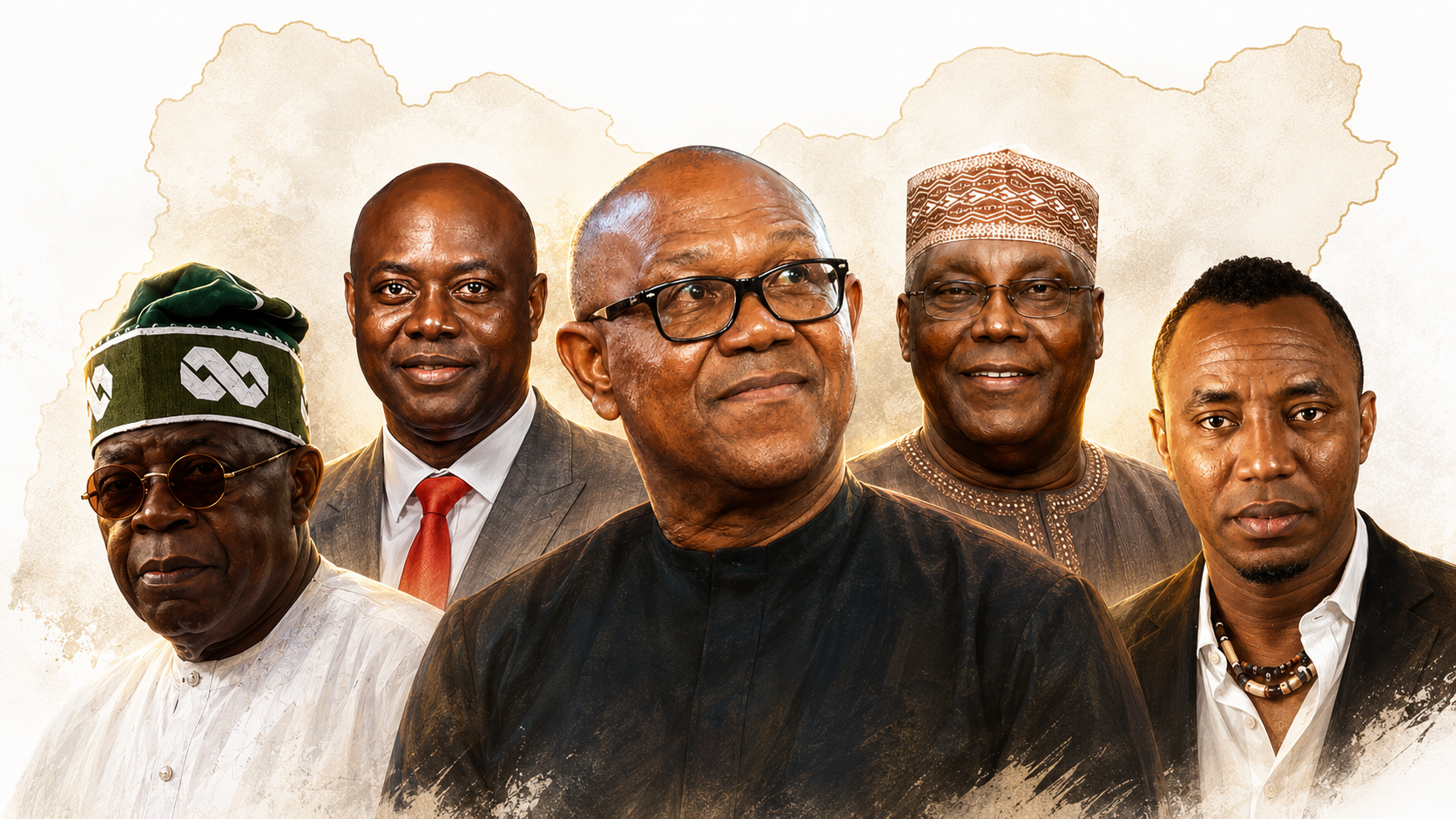
President Bola Tinubu secured the presidential ticket of the All Progressives Congress (APC) after defeating his only challenger, Stanley Osifo, with over 10 million votes in the party’s nationwide direct primary.
Former Vice President Atiku Abubakar also emerged as the candidate of the African Democratic Congress (ADC), after defeating former Rivers State Governor Rotimi Amaechi and banker Mohammed Hayatu-Deen in a closely watched contest. Messrs Amaechi and Hayatu-Deen rejected the results, but have yet to make their next moves known.
The Social Democratic Party (SDP) nominated Adewole Adebayo as its sole presidential candidate, activist Omoyele Sowore secured the ticket of the African Action Congress (AAC), and former Cross River State Governor Donald Duke was elected as the presidential candidate of the Peoples Redemption Party.
In the crisis-ridden Peoples Democratic Party (PDP), a faction aligned with the Minister of the Federal Capital Territory (FCT), Nyesom Wike, listed former senator Sandy Onor as its presidential candidate.
Meanwhile, the other faction aligned with Kabiru Turaki announced former President Goodluck Jonathan as its presidential candidate. Mr Turaki’s faction is not recognised by INEC, after the Supreme Court voided the convention that led to the emergence of its National Working Committee (NWC).
The Labour Party (LP) has also fielded Chibuzo Okereke as its presidential candidate while Oyo State Governor Seyi Makinde secured the ticket for the Allied Peoples Movement (APM).
In its timeline of activities released in February, INEC directed all political parties to conduct their primaries between 23 April and 30 May.
The electoral commission also said campaigns for presidential and National Assembly elections will commence on 19 August, while those for governorship and state Houses of Assembly will begin on 9 September.
However, the Youth Party approached the Federal High Court in Abuja, asking it to set aside some portions of the timetable.
The party argued that INEC went beyond its statutory mandate under the Electoral Act 2026 by imposing timelines that are not supported by law.
INEC defended its timetable, maintaining that its regulations were necessary for effective election planning and coordination.
However, the court ruled that INEC’s powers do not extend to prescribing timelines for the internal nomination processes of political parties.
The Judge, Mohammed Umar, said the electoral act only empowered INEC to receive notices of primaries, monitor the process and collect candidates’ particulars, but not to determine when political parties must hold their primaries.
Mr Umar ruled that INEC cannot shorten statutory timelines clearly set out in the Electoral Act.
The judge also held that Section 31 of the Act gives political parties up to 90 days before an election to withdraw and substitute candidates, and INEC cannot impose an earlier cut-off.
Meanwhile, INEC has appealed against the judgement and filed a stay of execution of the judgement, pending the hearing and determination of its appeal.
INEC argued that Mr Umar, the high court judge, erred in law when he failed to pronounce on the jurisdictional issue of the suit being hypothetical and academic, thereby denying the commission a fair hearing.